When writing my last post I realised I was doing my home town an injustice by not talking about the wonderful five valleys that both surround it and for which it is partly famous. Condensing all this into a single narrative would again have been a disservice.
The Cotswolds are full of beautiful hills, woods, forests and deep valleys and if ever you want to set off on a full day’s hike or plan a longer week or more walk you could try The Cotswold Way. This nationally recognised walk meanders through this beautiful land from Chipping Camden in the north of The Cotswolds to Bath in the south.
My focus, today, however are the valleys surrounding Stroud. The first of these lies south east – “The Golden Valley”, so called because apparently when Queen Victoria visited Stroud and travelled here from London and the train emerged from the Sapperton Train Tunnel she was amazed by the rural surroundings and described it thus.
The River Frome runs the course of this valley as it stretches from Stroud to Chalford. The Thames and Severn Canal Towpath meanders alongside the river and beyond, providing you with an easy four mile walk which starts just behind the Waitrose Supermarket in Stroud and ends near The Lavender Bakehouse at Chalford.
This local tea room with an upstairs gift shop provides guests with a light and airy refuge to take a well earned break from the chaos of life. The ethos of the café is very much about local food supplied by small producers. It’s one of my favourites, if you are in the area give it a try, but make sure you book particularly at weekends as it does get busy.

North East of Stroud is the second valley -the Painswick Valley. Before explaining a little more about Painswick and its special features it’s worth highlighting two places to stop en route.
Stratford Park, on the outskirts of Stroud is a 56 acre park, which has won the Green Flag Award on multiple occasions by Keep Britain Tidy and was also a Special Innovation Award winner for Community involvement.
The park includes a leisure centre, with both an indoor and outdoor pool (open during the summer months) and tennis courts, there is also a museum, play area, skate park, lawn bowling green, children’s nursery, miniature railway, arboretum/woodland, lake, bandstand and free parking.
A visit to the Museum will, amongst other things yield information about the famous author Laurie Lee and even contains his school report.
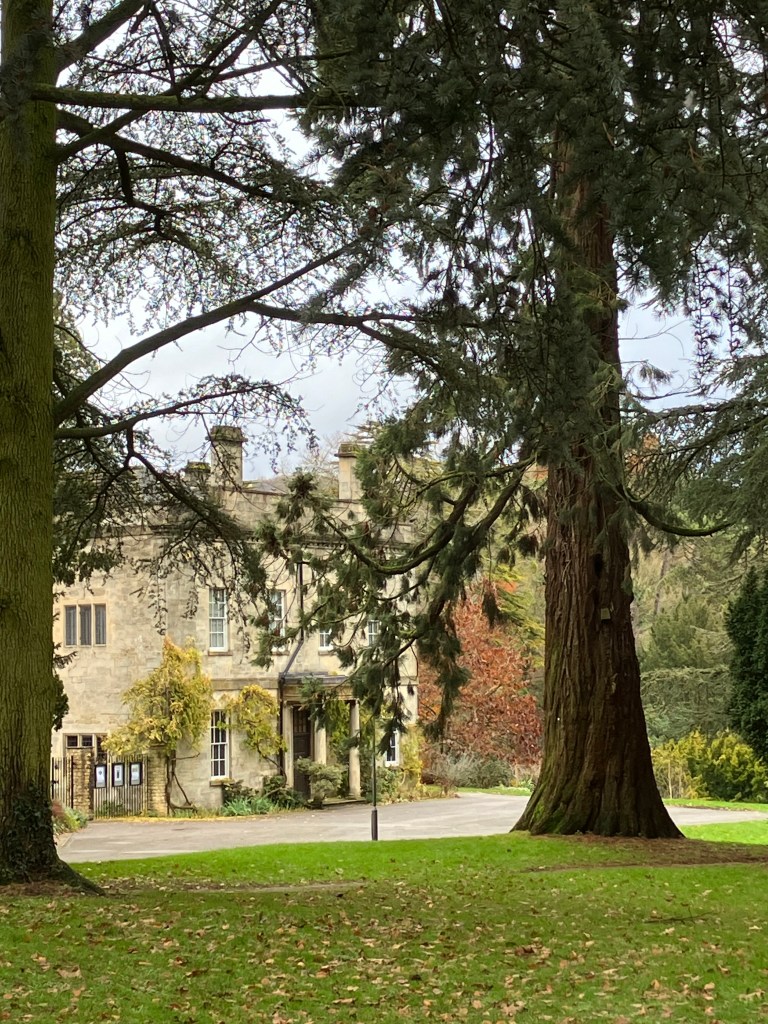
A stroll around the lake and woodland is on it’s own worth stopping for, giving an opportunity to shake off civilisation and exchange it for nature in all its glory. All the outdoor photos that I’ve included in this post were taken here.

Also en route to Painswick, shortly after leaving Stratford Park, you will come across The Malthouse Collective on your right hand side at Salmon Springs.
Take a walk inside and you will find an Aladdin’s Cave of items, both old and new displayed by individual makers and dealers. Full of antiques, vintage and collectables and housed within historic surroundings it is well worth a visit.
The ethos here is a celebration of craftsmanship and creativity whilst also nurturing new talent and supporting small businesses.
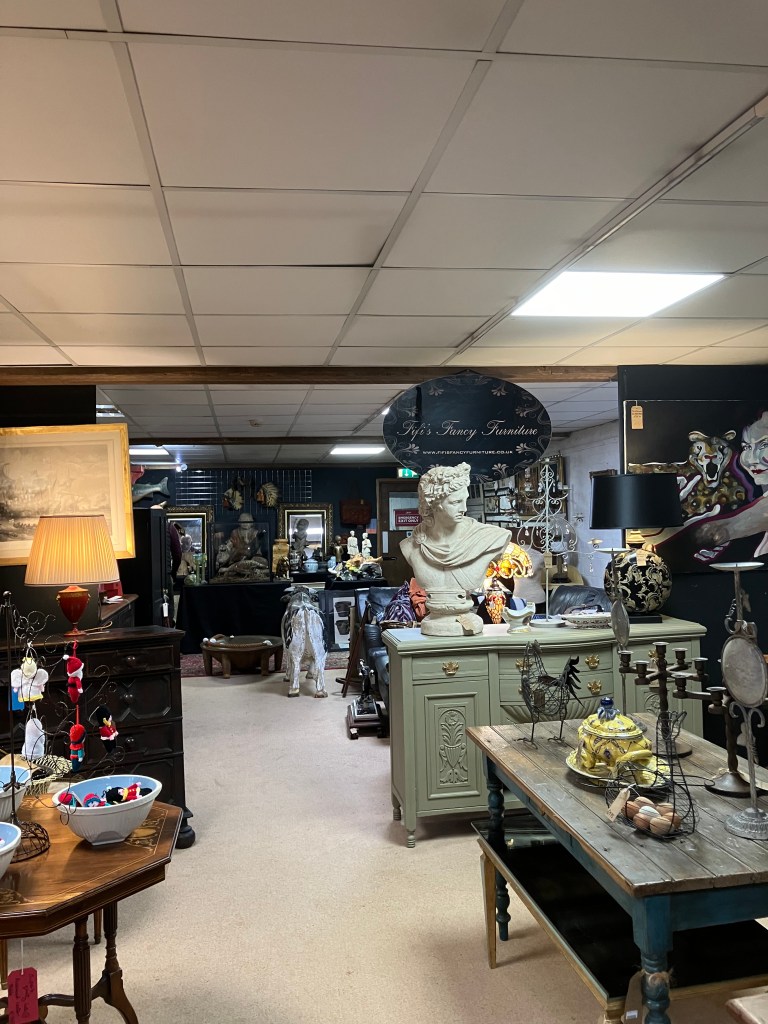
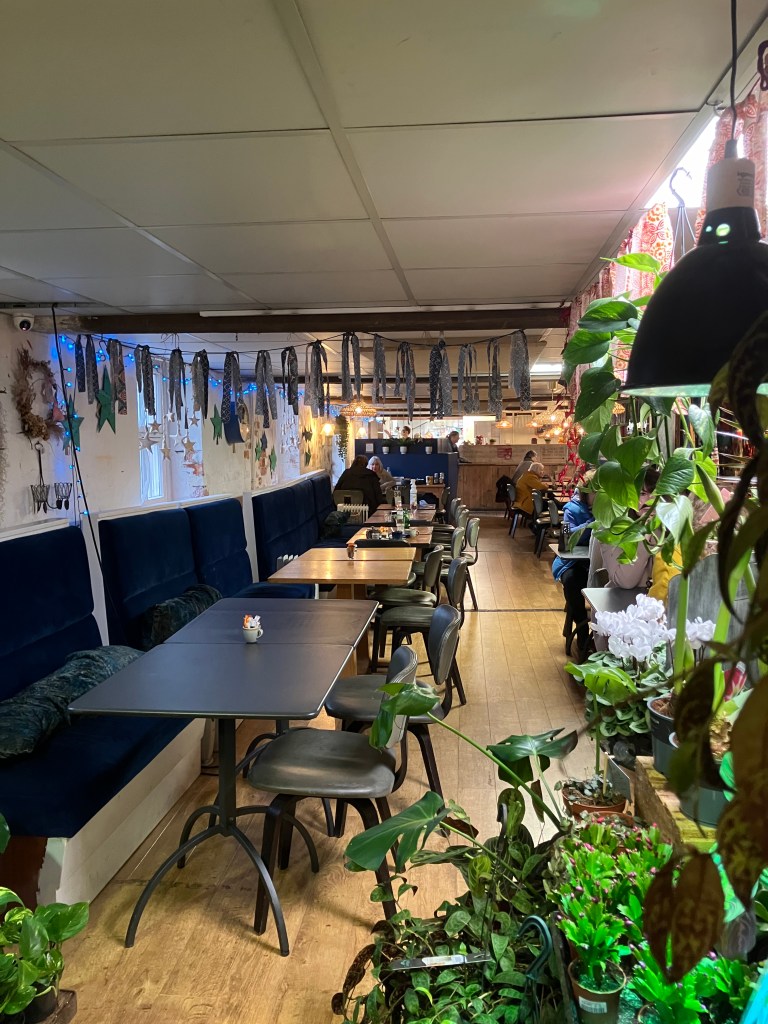
Also within its depths there is a small cafe offering a good choice of breakfast, lunch and cakes.
Onwards to Painswick which is a historic wool town and one of the best-preserved Cotswold towns earning it the name ‘The Queen of the Cotswolds’”.
Beautiful buildings line the town’s narrow streets and New Street contains the oldest building in England to house a Post Office. The town also lays claim to the country’s oldest bowling green and the parish church of St. Mary has become famous for its 99 yew trees making it one of the most memorable churchyards in the country.
Painswick is also at the mid-point of the Cotswold Way, surrounded by marvellous walking country including Painswick Beacon from where you can see the Malvern Hills and Brecon Beacons on a clear day.
It is also worth popping into the Rococo Gardens while you are here. These gardens feature on the Historic England Register of Parks and Gardens of Special Historic Interest having been returned to their former glory in 1984.
Running directly south of Stroud is the third valley -the Nailsworth Valley. The A46 runs along here from Stroud through Nailsworth and onwards to Bath. For more information about this artistic market town please refer to my previous post entitled “The Cotswolds -Shopping in Nailsworth”.
Running East of Stroud you will find the fourth valley -The Slad Valley.
This green and tranquil, slightly hidden valley became world famous following the publication of “Cider with Rosie” written by Laurie Lee.
Stopping off in the centre of Slad you will find the Woolpack Inn where the seat where Lee used to sit still remains. A visit to the local church will reveal Laurie Lee’s final resting place and the stained glass window commemorating this famous author for whom everyone locally still remains proud.
As a teenager in High School nearby, reading his book was more or less a rite of passage.
Many of the locations in the book are still recognisable today including, across the road from the Woolpack, the school house where Laurie, himself, was once a schoolboy.
The cottage where Laurie and his family lived when they first came to Slad, sits by the lake. It is a listed building and a private house, so unfortunately not open to the public.
Like all the other Stroud Valleys, Slad Valley is also full of places to reside in nature and walk including The Laurie Lee Wood, which was opened by his widow and daughter. This ancient woodland of over three hectares looks particularly pretty in bluebell season and is next door to Gloucestershire Wildlife Trusts’ Swift’s Hill nature reserve.
By climbing this local landmark you will not only find wonderful views of the Slad Valley but also a wealth of wildlife. The limestone grassland here supports over 130 species of wildflowers amongst which are thirteen species of orchid including the rare frog orchids, bee orchids and early purple orchids.
Alternatively you could opt to walk The Laurie Lee Wildlife Way which is a beautiful 5-mile walking route with ten poetry posts along the way featuring poems written by Lee himself which help to bring the surrounding countryside to life. It is quite steep in places but worth the effort. You can pick up a leaflet to accompany the walk in the Woolpack Inn.

The fifth and final Stroud Valley is Toadsmoor. This could be seen as a slight anomaly in so much as Toadsmoor branches off from The Golden Valley rather than beginning in Stroud itself.
Driving out of Stroud along the A419 towards Cirencester, and Just beyond the shops at Brimscombe, you will find a turning on your left that wanders up Toadsmoor Lane snaking it’s way towards Bussage, Eastcombe and beyond. This area is full of walks, just google The Toadsmoor Valley and you will be inundated with options.
This beautiful part of the English countryside is so worth a visit. It’s quite sad that so many people visit the UK and focus solely on London.
This may be our capital city and also one of the most cosmopolitan cities in the world with nearly nine million inhabitants and more than 300 languages spoken. however, believe me there is so much more to England than this, add a couple of days or weeks (if you have them) to your trip and explore the British countryside.

NB: This is the fifth of a series of posts about the wonderful “Cotswolds”. An area in the UK that you really shouldn’t miss out on visiting if you are coming to the UK. It’s full of olde world charm, history going back to the Roman era and beautiful architecture. Check out previous posts in this series plus more to come soon.
Please don’t forget to comment and/or like. I love to hear what my readers think. Thank you
 A Midlife Adventure