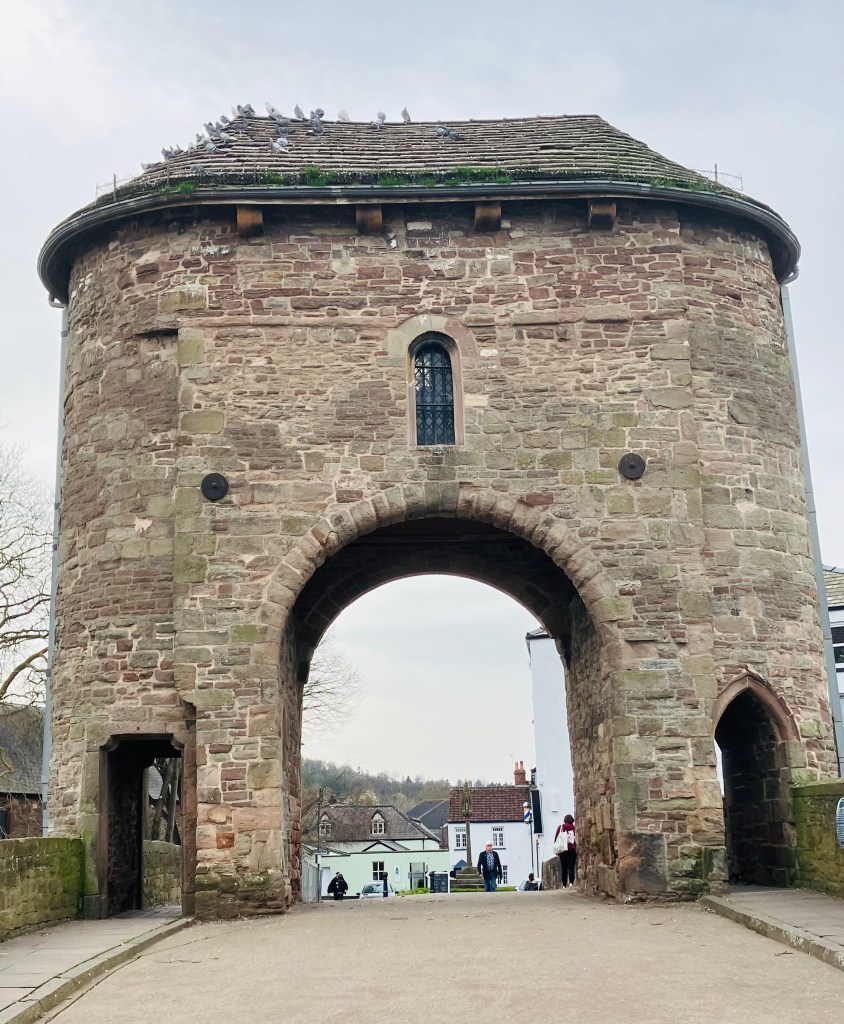
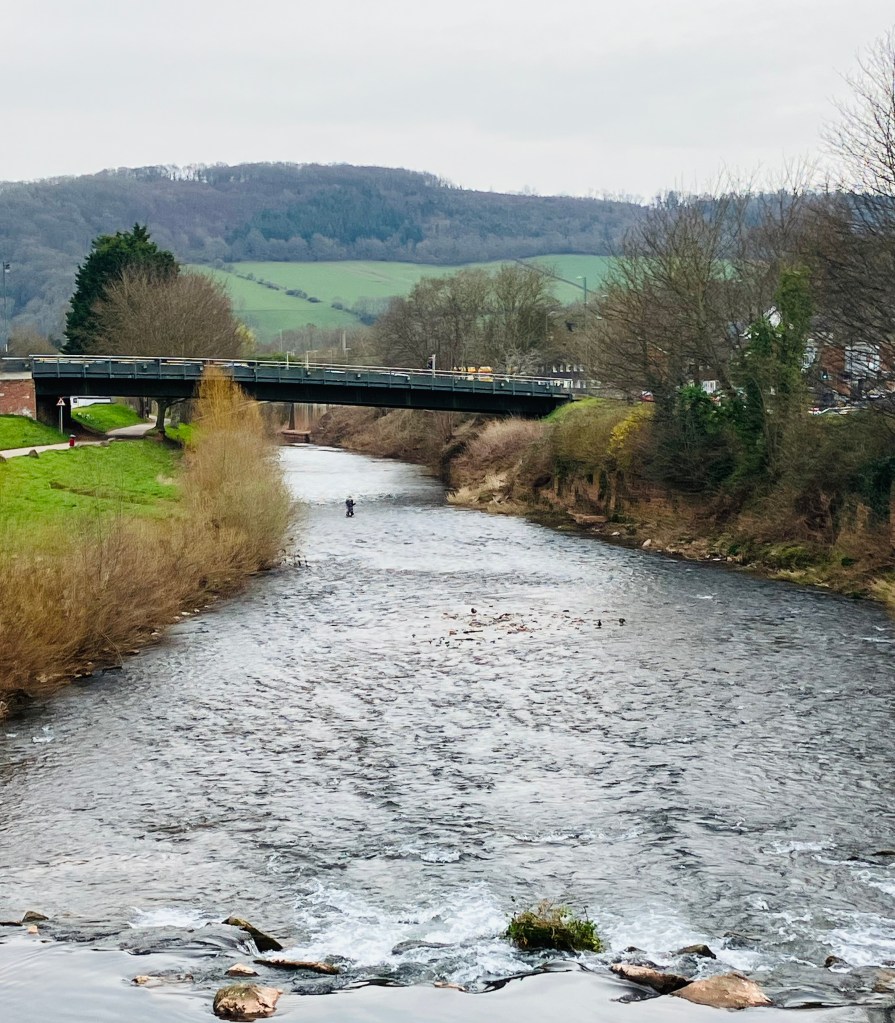
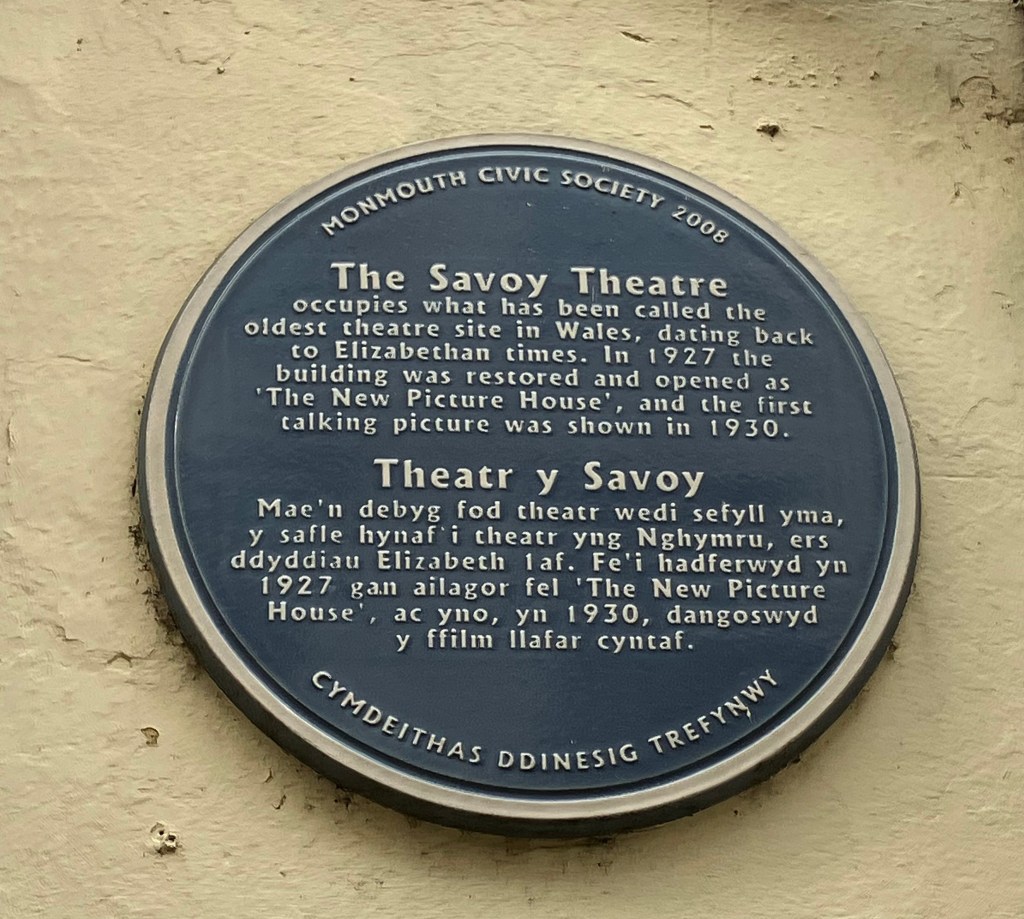
We recently decided to stay overnight having visited the county town of Monmouth. We had a wander around the town during the day, from which I have selected a few photos to accompany this post. We had a lovely lunch in a local garden centre and then checked into our Bed and Breakfast (BnB) before going back into town to see Ben Fogle – “Wild” at the local theatre.
I have reviewed the BnB on Tripadvisor but I came away with a more leading question, hence the title of my post.
From extensive experience of travelling and knowledge of this style of accommodation in the Western World, I think it is important to firstly point out, particularly to my USA readers, that there is a vast difference between BnB accommodation in the UK to that in America.

America versus UK – Bed and Breakfast:
In the UK, BnB accommodation was traditionally cheaper than a hotel whereas in America it seems to have always been of a similar price range. The reason for this lies in the way it is marketed.
In America they are set up like small hotels and usually run by a family who are very present. Family gardens are shared with the guests including, where present, swimming pools. Rooms are dressed cosily with those little extras like bottled water, a small ornament with sweets (replenished daily) and home-made or locally sourced bath products.
American establishments would all be en suite whereas in the UK you may be required to share a bathroom or leave your room to get to your bathroom.
American accommodation is also very communal. Guests, particularly if American themselves, naturally mingle.
All guests are included by the hosts. For example everyone sits around a large table for breakfast encouraging cross communication about themselves, the area, what everyone did yesterday etc. Having a quick sit down n eat style breakfast just doesn’t happen!
There are also sometimes early evening soirées with drinks and nibbles.
UK establishments tend to be houses that the owners have converted for the purpose of renting out rooms with a communal car park and a dining room to have breakfast. There is no encouraged community feel.
Accommodation varies according to the standard to which it has been refurbished/ redecorated. It can often lack some of the facilities offered in a standard “chain hotel” bedroom particularly where showers, bathrooms, heating and air conditioning are concerned.
History of Bed and Breakfast in the UK:
This key difference between the UK and America is perhaps based in the past.
Historically in the UK BnB accommodation began to emerge after the Second World War as the term “Bed and Breakfast” gained popularity. The concept grew as local residents opened their homes to travelers, offering rooms and breakfast. This was also fueled by increased tourism and car travel, making B&Bs a convenient and affordable option in rural areas.
I remember my Dad talking about how back when he married my Mum in 1952 this was often the type of accommodation used by honeymooners but only for the actual wedding night because it was all they could afford!
Later in life, after my Mum had died, and my Dad had a new relationship he would sometimes pop down south to the coast for a couple of nights where they would stay in a BnB. Nothing was ever booked in advance, you just set off and hoped for the best.
Even holidays, as children, were sometimes spent in a BnB and to be honest I don’t have great memories of the accommodation back then. I just remember it being someone’s house and cramming into a small dining room for breakfast.
BnB in the Modern World:
Our BnB in Monmouth was just off a main road. There was no warm greeting on arrival from the host and breakfast in the morning was a fairly “conveyor belt” style event.
Maybe this is a UK cultural issue because I have fond memories of a BnB I stayed at in Milan with my son. It was probably nearly ten years ago, where a lavish spread of Italian breakfast items was loaded upon a big round table, headed by the host, and all the guests gathered around it. I remember actually looking forward to this mini social gathering each day.
There are so many other options these days if you are looking for somewhere to stay without “breaking the bank” which are increasingly putting the traditional BnB in the shadows.
Booking.com -download their app and you soon have a massive selection of properties at your finger tips. This can include hotels, BnB’s and self catering properties. It’s always worth popping in a few filters to eliminate the countless number of properties that one search can produce. I tend to use:
-Free Wi-fi
-Free Parking
-Free Cancellation
-Review rating 8+
I find if I put in too many filters, whilst this gives me a smaller amount to work through, you can sometimes miss out on a really nice property because you asked for something specific which, hand on heart, wasn’t a necessity but “a like to have”.
Air BnB -This site gained popularity rapidly after its launch in August 2008 and by 2011 had listings in 89 countries with over 1 million nights booked. The rapid growth continued, with Airbnb announcing over 9 million guests since its founding by October 2013. However figures started to take a downturn towards the end of 2024.
Some countries and specific cities are even legislating against this type of short term rental.
Notwithstanding this when you download the app and begin a search you are faced with many places to stay.
Premier Inn /Travelodge – These two groups of branded hotels are constantly upgrading their offers partly to compete against each other and are still very popular here in the UK. Premier Inn is actually the UK’s biggest hotel brand with 86,000 rooms.

So Is Traditional Bed and Breakfast Accommodation Going Out of Fashion?
Covid -Returning to my original question I think Covid has definitely contributed to the decline of the traditional BnB with unfortunately a lot of them going out of business during this era.
But secondly and possibly the most significant change was that once they reopened the restrictions placed upon them meant that quite a few introduced self-check-in rather than a friendly, personal greeting; and big changes to how they do breakfast.
It’s not unusual to now be given a “breakfast hamper” to enjoy in your bedroom, rather than sitting at a table in the dining room. While most places aren’t offering something this high end, the “continental breakfast in room” or “find your own breakfast” practice is becoming more common.
Whilst this perhaps also reflects the self-sufficient preferences of travellers who are now accustomed to Airbnbs it also means the B&B experience isn’t quite what it once was.
Statistics -show that Millenials and Gen Z (those currently aged between 18 and 42) have a lower demand for domestic holidays than the rest of the adult age groups in the UK. So they aren’t as interested in holidaying here which doesn’t bode well for the domestic holiday market as a whole.
Just over half of Brits who stayed in a home rental last year were Millennials (53%) and 15% were Gen Z with Booking.com leading the way in terms of the brand they are most likely to use. This was followed by AirBnB and then Premier Inn.
These are the visitors of the future for any traditional BnB and they are not currently indicating a preference for BnB style accommodation.
They are an age group who seem to like standardisation. They drink at Starbucks because they know what they are going to get, they eat from Deliveroo because it is convenient and can also be delivered to a hotel room they might be staying in. Conversely a lot of BnB owners do not encourage food being brought back or being delivered to the room. Additionally, as mentioned above, this age group tends to favour specific holiday booking companies.
The late Baby Boomers, born at the start of the 1960’s, with private pensions and housing wealth are more likely to retire early. A third fewer baby boomers were in the labour market at age 62 than at age 55, with retirement being the most common reason for leaving the workforce.
With a desire for a more fulfilling lifestyle a lot of these people are contributing to the rise of the retired nomadic lifestyle in the UK or taking off to travel worldwide on “golden gap years”. There is also a growing appeal for affordable and flexible living options like van life.
With remote working becoming a greater option than it ever has, this also adds to the appeal for both this age group and those from the younger labour market to experiment with different lifestyles.
When you take into account that the average BnB booking will cost you 25-50% more than say a Premier Inn whilst owners are cutting back their hosting duties and style of breakfast you have to question where their future lies.
Then in combining all of this information above together the conclusion has to be that Bed and Breakfast accommodation is losing its appeal and may well die out over the next 10-20 years. Younger generations are not topping up numbers as older clientele die off and as the digital age continues to grow and move forward I cannot see this changing.
 A Midlife Adventure