Lonely Planet Magazine changed my perspective on travel:
Many years ago I remember wandering around a magazine/book store at Heathrow airport and picking up a copy of Lonely Planet magazine. Little did I know that this innocent gesture would lead me up a path of no return…….
I sat on the plane absorbing all the articles and photographs, my mind transporting me to all the exotic places outlined in my reading and on my return from holiday I readily subscribed to the magazine.
It was a turning point in my life, I started to wave goodbye to “holidays in the sun” and began to think about actual “adventures” abroad. I would read the magazine from cover to cover, tearing out articles and eventually setting up files on my bookshelf where these prospective escapades would sit in their plastic covers, in alphabetical order, of course, awaiting a time when I would be able to pull them out and actually make those dreams a reality!
The magazine, unfortunately, ceased to exist in the UK in April 2020 and suddenly I was thrust back into a world without those monthly inspirational articles and dreams of where I was going to venture to next.
Covid suddenly meant that travelling became impossible and everyone was forced to spend their summer at home. It gave me a breathing space, however, to address all those carefully filed travel suggestions and formulate some actual plans for the future.
In 2021, still reeling from the epidemic but supported by articles about various cities and places to see in the UK I began to plot our first road trip. There were so many places here, in my home country, that I wanted to see. Places that had been defined as potential short breaks or weekends away with cathedrals and castles, beautiful countryside or seaside walks but places that were just sitting in a folder and never seeing the light of day. Inspiration overtook rationalisation and I finally joined the dots of all those places and we embarked upon a 56 day road trip of England and Scotland including the NC500.
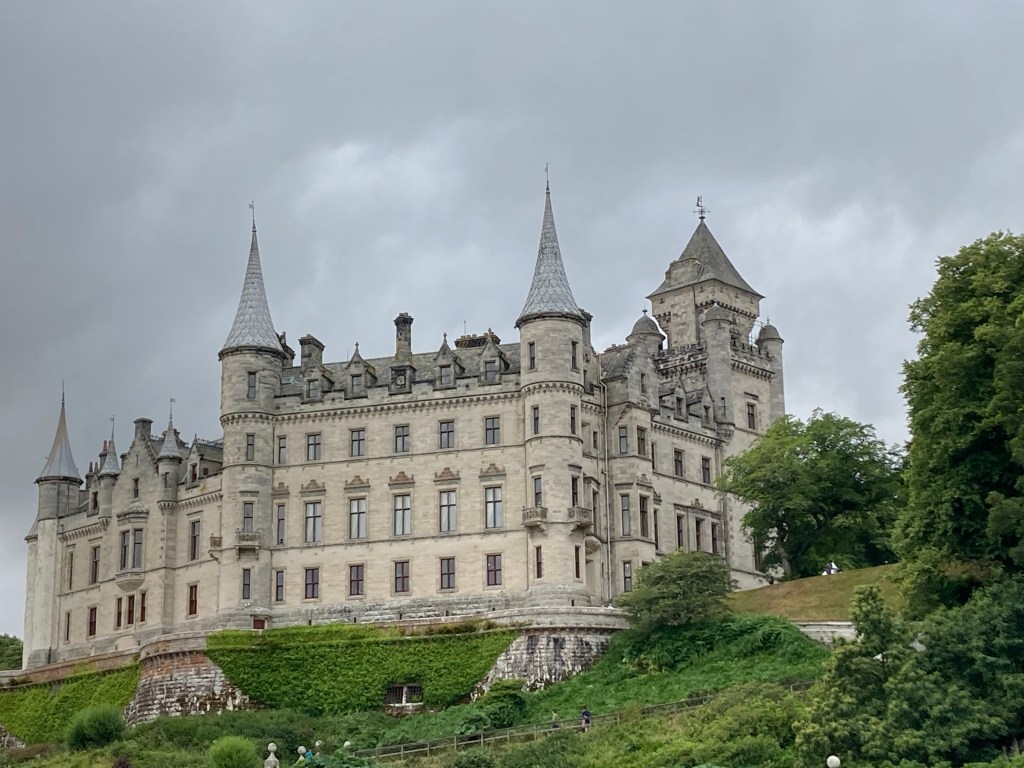
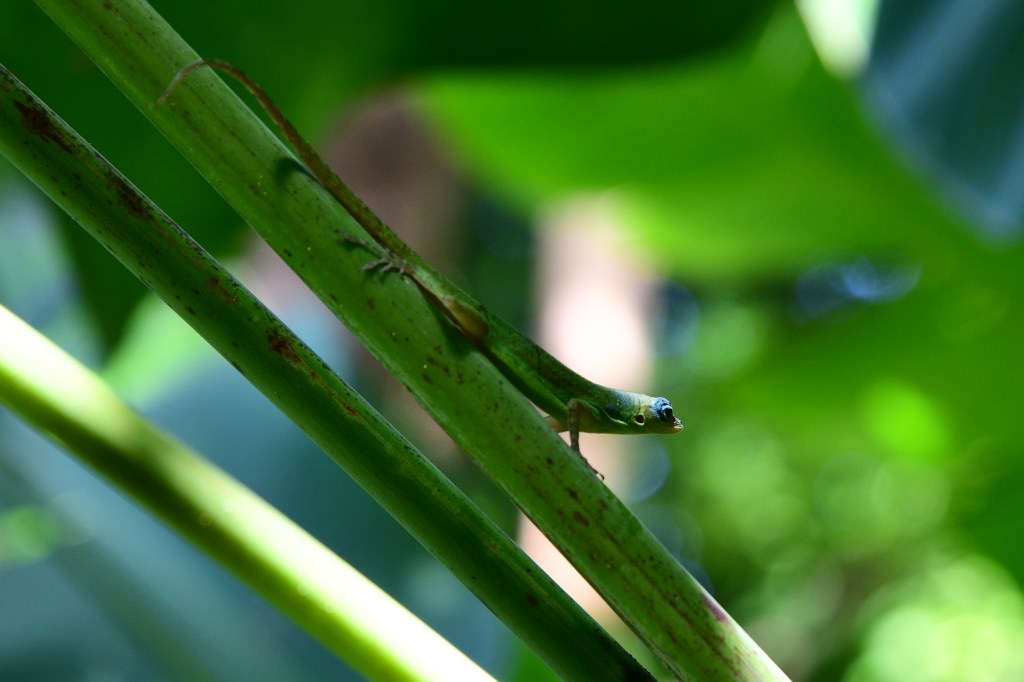
Then in 2022 we spent three weeks in Barbados in March which gave us an insight into that feeling of hot sun on your skin, whilst back at home the weather continues to be wet and miserable. We also finally got married and went off island hopping in Greece during the summer.
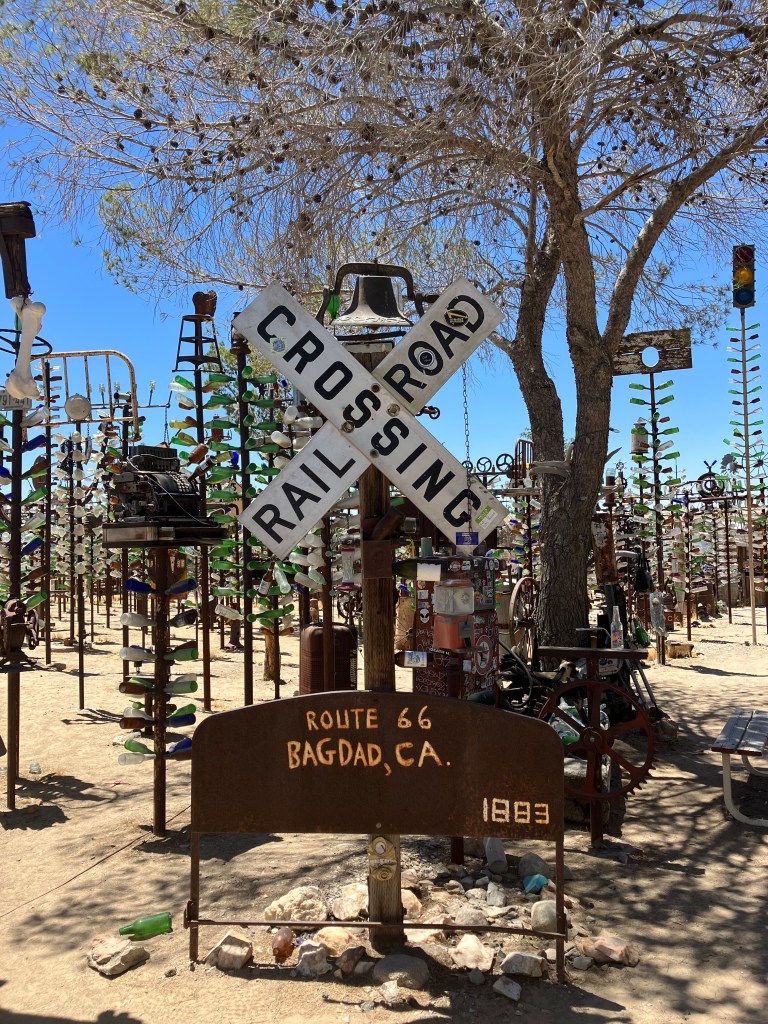
2023 we left home for six months travelling around Europe and then America including Route 66 and the Eastern Seaboard. The freedom of the open road appealed to us. Just hubby and I against the world. Loads to see and do, again thanks to many of those LP articles giving me inspiration!
2024 turned into a unexpected pause due to ill health apart from a short foray for 2 weeks to Crete. This forced us to face the reality that “holidays even in the sun” are just no longer our thing. We needed mental stimulation and places to explore!
2025 started with a bang as we returned to the Caribbean exploring Grenada and returning to Barbados to see places still on our wish list. I also learned to snorkel for the first time, not bad for a midlifer who only a few years ago was not confident at all in deep water and looked on in envy when other people talked about the “other world under the waves”.
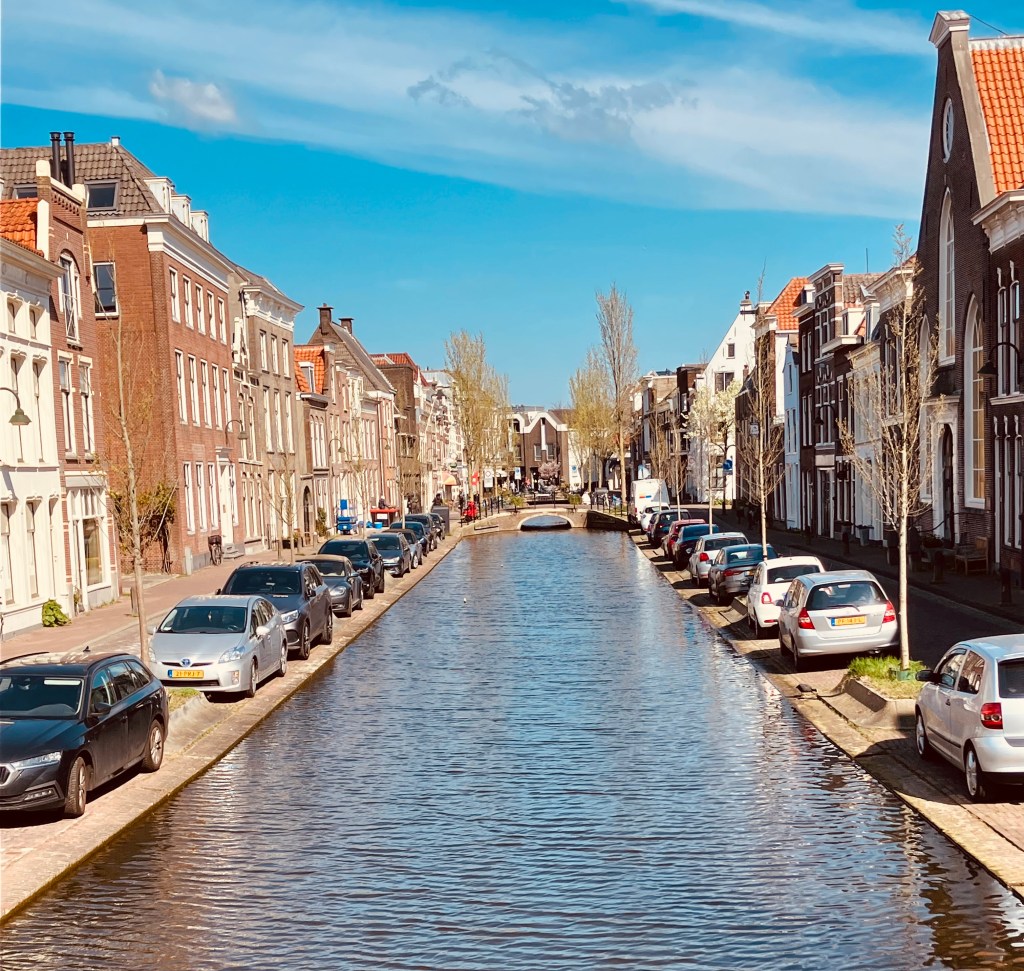
Trips to The Netherlands and then Las Vegas followed to sign off a couple of places we had previously missed back in 2023.
Amongst all the LP articles was another road trip that had picqued my interest. This trip, if we were to take it, would begin in Tarifa in Southern Spain, taking the ferry across to Tangier in Morocco and then would follow the coast road down through the capital -Rabat. On southwards to world famous Casablanca (thanks to the historic movie of the same name) before winding its way to Safia, Essaouira and finally to Agadir.
It seemed like a good idea but Morocco isn’t a first world country. I appreciate this terminology is somewhat outdated now and countries trend to be categorised by their development but whichever method is used Morocco is still a developing country and possibly still sits in the third world country category on the old scale.
It seemed like quite a challenging concept to “road trip” in a country that is still developing. I’d read travel books but they predominantly focused on Marrakech rather than the country as a whole. Reports from travellers of feeling unsafe and rampant petty theft didn’t instil me with confidence. Friends that had been there came back with mixed viewpoints. And so finally we decided to get on a plane to Marrakesh ourselves and dip our toe in the water so to speak………………
Arriving at the Airport:
As the plane lowered itself through the clouds in preparation for landing at the international airport of Marrakesh Menara I was amazed at the layout of the land below me. Squares upon squares of fertile agricultural land, views of the Atlas Mountains in the distance and certainly not the disparate, bare landscape I had anticipated.
If you ever watched Luke Skywalker in the Star Wars movie, A New Hope (Episode IV), where he is living on the desert planet of Tatooine with his family, then that was what I had imagined. Maybe because it was filmed in the next door country of Tunisia!
This looked so different to what my mind had conjured up and on landing at the airport I was even more shocked at how modern the airport is.
The new terminal was finished in 2016 and features some wonderful traditional Moroccan patterns and motifs, such as diamond-shaped tiles in various shades of green and terracotta, which create a unique blend of old and new.
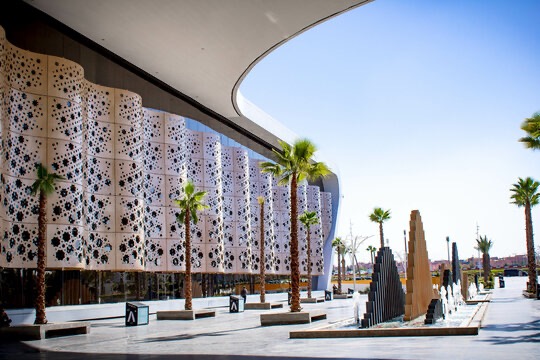
It’s a slightly different process getting through the airport here to what we are accustomed to, in so much as once you have been through security and had your passports checked you then have another manual check before you go into baggage reclaim. Once you have located your bags you then have to queue again to have them passed through an airport security machine before you can actually leave the airport.
It’s important also to get some Moroccan cash before leaving the airport.
It is a closed country which means that the currency cannot be taken in or out, it just stays in the country. The ideology behind this is that it protects their economy from the ups and downs of global trading.
We used an ATM at the airport to withdraw our initial cash but other visitors were using one of the two exchange counters.
Wi-fi is in good supply at the airport so you don’t need to actually use your data allowance but I would suggest that you ensure you have sorted your mobile phone contract in advance of arrival. We have 56 days each on our UK contract that allow us to utilise data in most countries in the world without any additional costs.
Getting to our Riad:
My research had shown me that independent travellers are best to book an airport transfer in advance rather than rely upon picking up a taxi at the airport. Taxis waiting at a stand are not obliged to use their meters and will often drop you off at Djemaa El Fna central square. There are a couple of reasons for this:
– There are no cars allowed on the narrow lanes within the city walls on which most riads are found.
– For this reason the taxi drivers do not need to speak your language or worry about the address you are willingly providing to them at the airport because they are not going to take you there.
– Finally young men in Marrakesh learn very early in life that money can be made from tourists who are dropped off in the square and then, looking completely bewildered and lost, need help locating their specific riad. If you do decide to opt for this idea make sure you agree a price for the guidance in advance.
We were fully prepared and our driver -Said has already text me on WhatsApp after our plane has landed letting me know where to find him. He greets us with a welcoming smile and leads us to his vehicle.
En route to our Riad, which is about a 20 minute drive, Said welcomes us to his country and speaking very good English explains a bit more about how the city operates. The roads are tremendously busy and somewhat chaotic at times.
The city was founded between 1062 and 1070 AD by the Almoravids, a Berber dynasty. Said, himself, originates from a Berber tribe who live outside of the city, nestled in villages stretching East out to the Atlas Mountains, although he now lives within the city walls with his wife and children.
Marrakesh is the fourth-largest city in Morocco and is known as “The Red City” because the majority of buildings are built with distinctive red sandstone. The city grew rapidly and soon established itself as a cultural, religious, and trading centre with the ancient walls of Marrakech standing as a boundary between the vast desert landscapes and the burgeoning city.
These 12th century city walls are clearly visible on our route and stand majestically up to 32 feet tall. Made of earth, lime, and straw, they originally served to protect the city’s inhabitants and up until the early 20th century, the gates were all securely closed at night.
Today they enclose the historic Medina, packed with vendors and their stalls, marking a boundary between it and the modern city built on its outskirts. It is in this modern external section that you will find all the plush hotels with designs that often feature open courtyards, mosaic-lined rooms, and luxury amenities, providing a peaceful, modern escape from the city’s bustling historic centre.
This is not on our agenda and we are more than happy when Said pulls up in a car park explaining that there are nineteen gates through which you can enter the city. It reminds me of the start of the “Robin Hood, Prince of Thieves” film with Kevin Costner and Morgan Freeman when Robin is imprisoned whilst fighting the crusades and escapes after dark to make his way back to England. The narrow lanes, tall historic buildings, noise and chaos hit you immediately you enter through the gate.
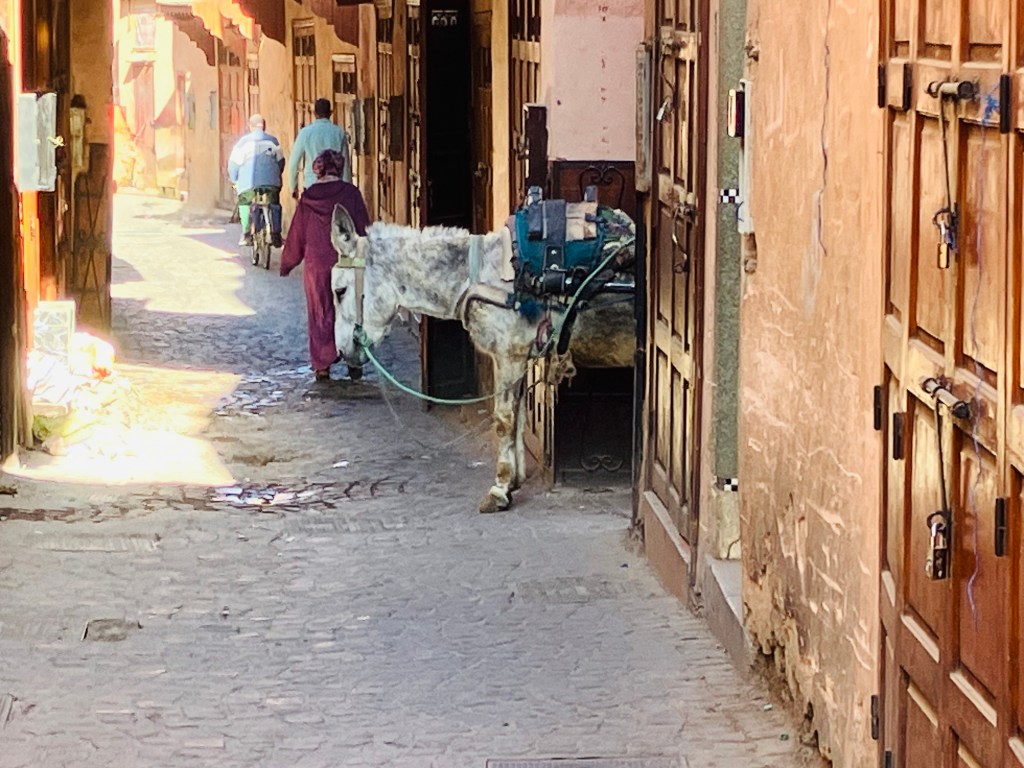
Said explains that we need to walk on the right. Whilst cars are not allowed within the Medina walls, scooters are prevalent allowing their passengers to quickly traverse this ancient capital and carefully meander their way through the cobbled lanes of the city.
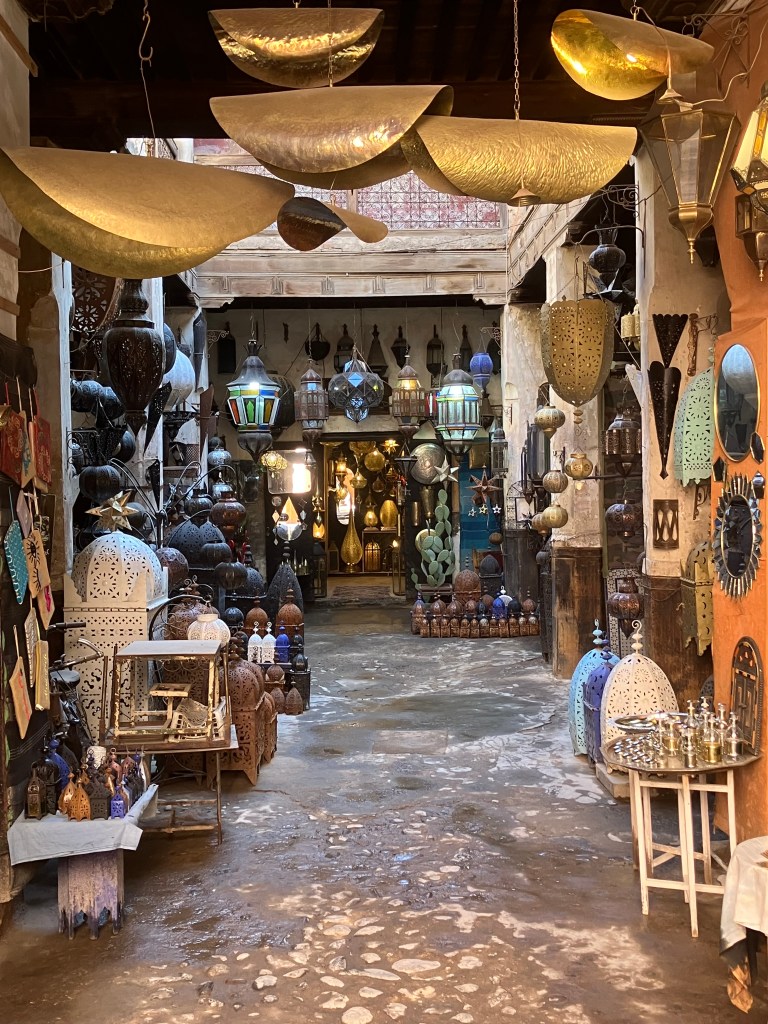
The sights and sounds immediately attack your senses. People abound, men, women and children all in traditional dress. Donkeys pulling carts laden with anything from produce to building materials also make their way amongst the melee. Every lane is lined on both sides with small open shop fronts with busy locals selling their wares. You immediately realise that you need to be aware of your surroundings, not for any sinister reason, but purely so you don’t cross someone’s path or get in the way. We may be the tourists but this is “their city” and there is an air of pride present.
Riad Shaden:
I found the Riad on a Facebook group for retired travellers. It was recommended and having researched it a little further it appeared to be exactly what we were looking for.
We had turned right off the lane leading from the gate and circumnavigated a mosque to arrive at the Riad’s front door.
As became apparent on our adventures in Marrakesh these doors are often quite inconspicuous, if you didn’t know they were there you could easily walk on by.
As we arrive we are met by two other British tourists who appear to be having a debate with a very tall young man in traditional dress. It appears this couple didn’t know about the aforementioned taxi problem and have indeed been dropped at the main square and the young man has led them to the Riad. The discussion is now about the money he feels he is owed for extending this courtesy.
Said leads us inside and immediately we are struck by the silence. The heavy, black door cuts off all noise from beyond the walls and we are led into a central courtyard. Tables and chairs are placed neatly on the paving stones, water trickles from an inlaid stone feature to my right, potted plants enjoy the sunshine and around the top of the courtyard a beautiful balcony can be seen.
The rooms all face into the courtyard, creating a sense of privacy and seclusion from the outside world. Intricate Moroccan craftsmanship abounds with zellige (pronounced zuh-leej) tilework, carved woodwork on the doors of each room and tadelakt plaster in between. I am so impressed and also so pleased that we came to a traditional Riad instead of a soulless hotel, where we quite honestly, could have been anywhere in the world.

While Said goes back out to assist the couple, his brother Imran leads us into a comfortable salon with large, colourful sofas into which you can collapse after a long day. Imran serves us the traditional mint tea in a silver teapot with a small collection of Moroccan cakes.
Peace surrounds us and I’m already sold on this amazing piece of the world’s architecture, beauty and tranquillity.
Part 2 of Marrakesh will take you on our journey through the medina to some of the many key sites we wanted to see and experience………………………
 A Midlife Adventure