Leaving the cafe at the top of the Maison De La Photographie behind we make our way down onto the street and turn right back towards Ben Youseff Medersa from where we ardently follow “Google Maps” to our next destination ten minutes away ……………..
Le Jardin Secret:
This wonderful garden originates from the second half of the sixteenth century and alongside the palace was occupied until 1934 after which it fell into disrepair. The idea of restoring the building complex and opening it to the public started in 2008, and Le Jardin Secret came into being eight years later.
Whilst we are both lovers of architecture the primary reason for visiting this oasis of peace is the traditional Islamic Garden which was restored following the likely nineteenth century layout which gave it four sections. This sits alongside a carefully laid out exotic garden.
The original “khettara” or underground irrigation system was also restored and can be seen immediately as you enter and this still feeds water to the gardens today.
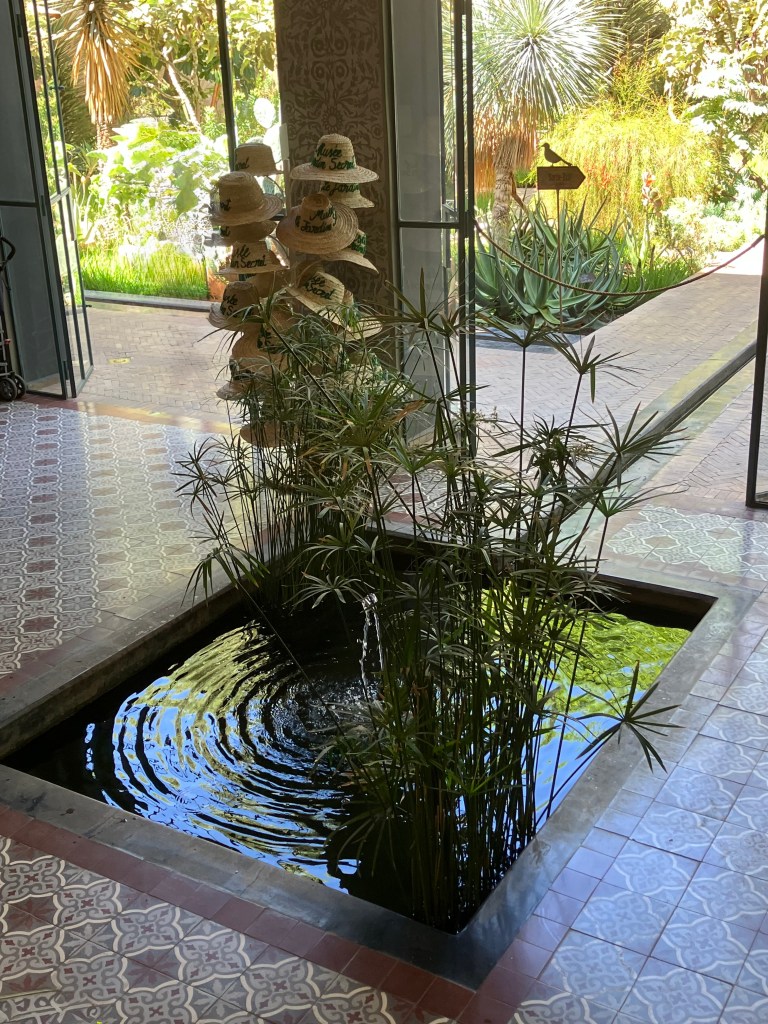
The water paths highlight the way in which the water, coming from the Atlas Mountains, was distributed inside the palace not just to irrigate the gardens but also to serve the kitchens, the hammam and fountains.
Interestingly Muslim culture considers water to be a symbol of life and a sign of God’s existence and power, while heaven is described in the Quran as a “garden in which streams flow”.
There are plenty of places to stop, relax and enjoy the sights, sounds and smells of the gardens. We certainly didn’t feel rushed in our exploration.
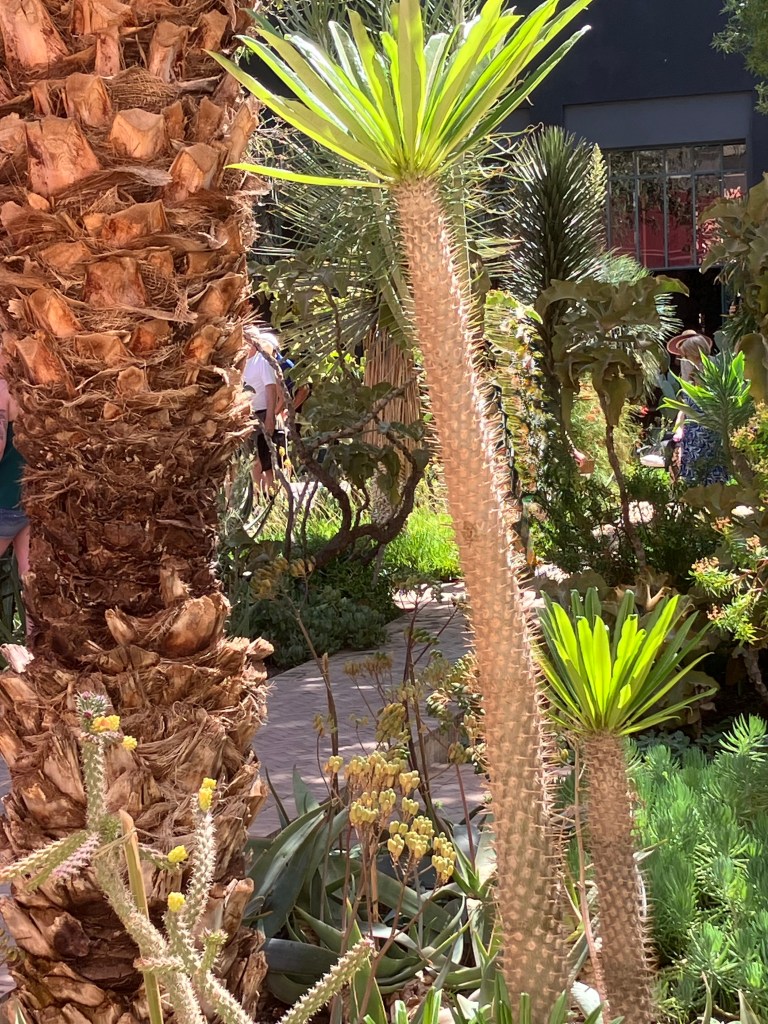

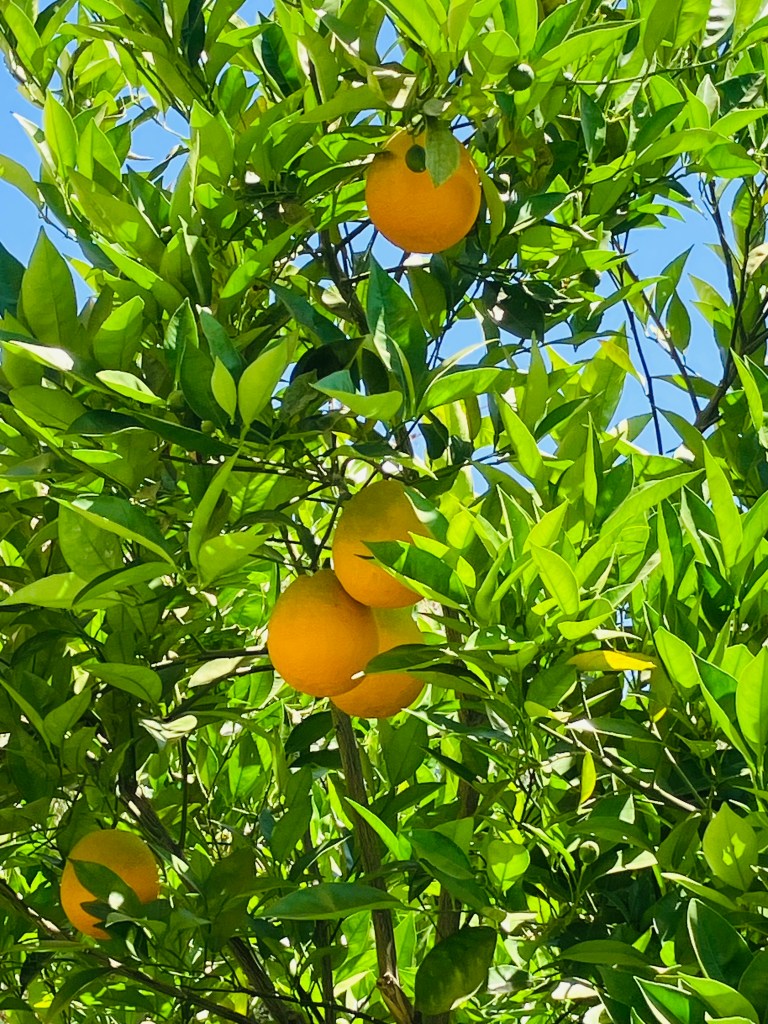
At it’s centre you can admire the creative woodwork arches and decorative ceiling of this middle creation.
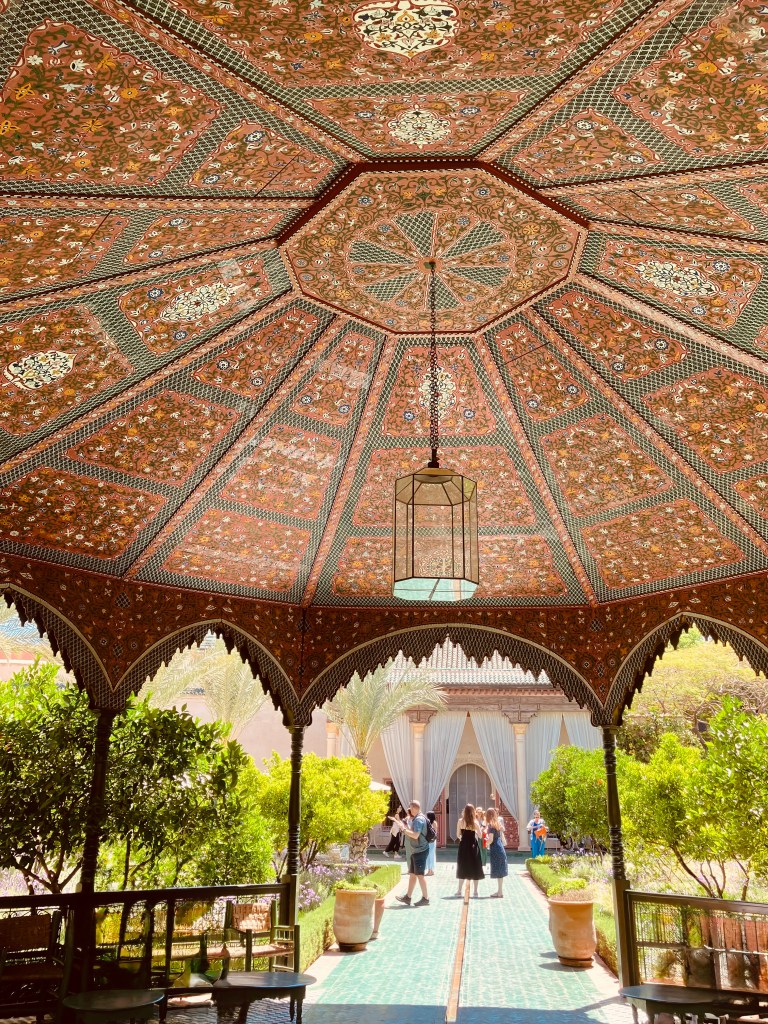

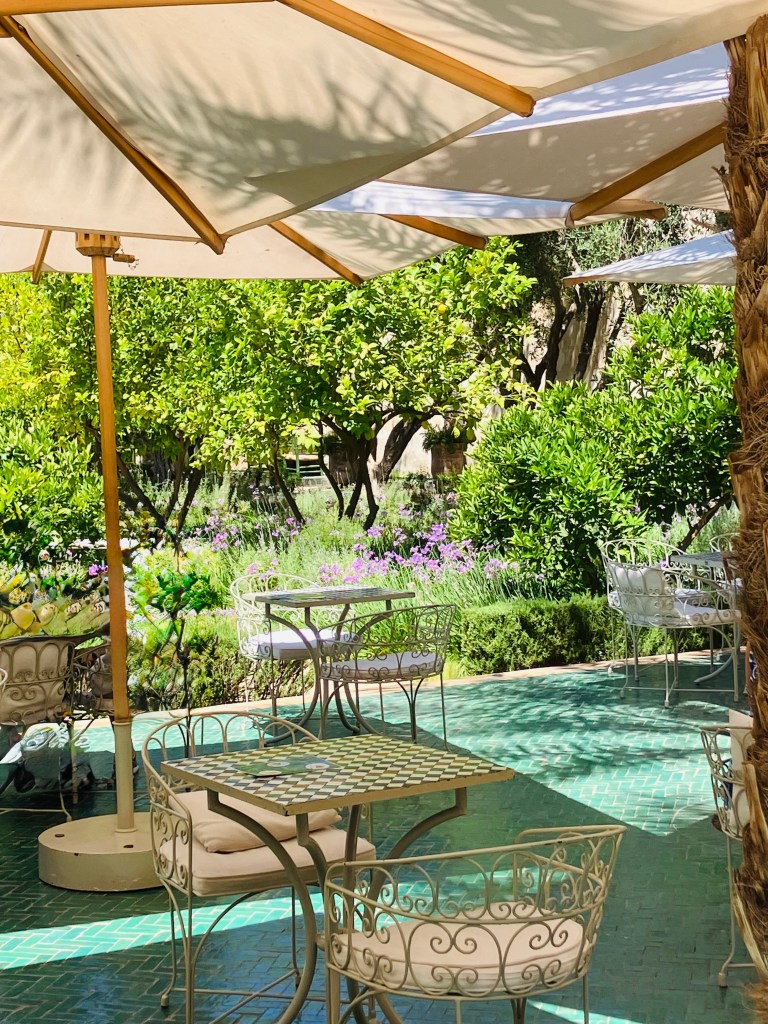
There are two cafes to choose from should you want to eat or drink – Café Sahrij is at ground level:
and the Café Menzeh is at the back and upstairs which is where we decided to have lunch overlooking the gardens below:
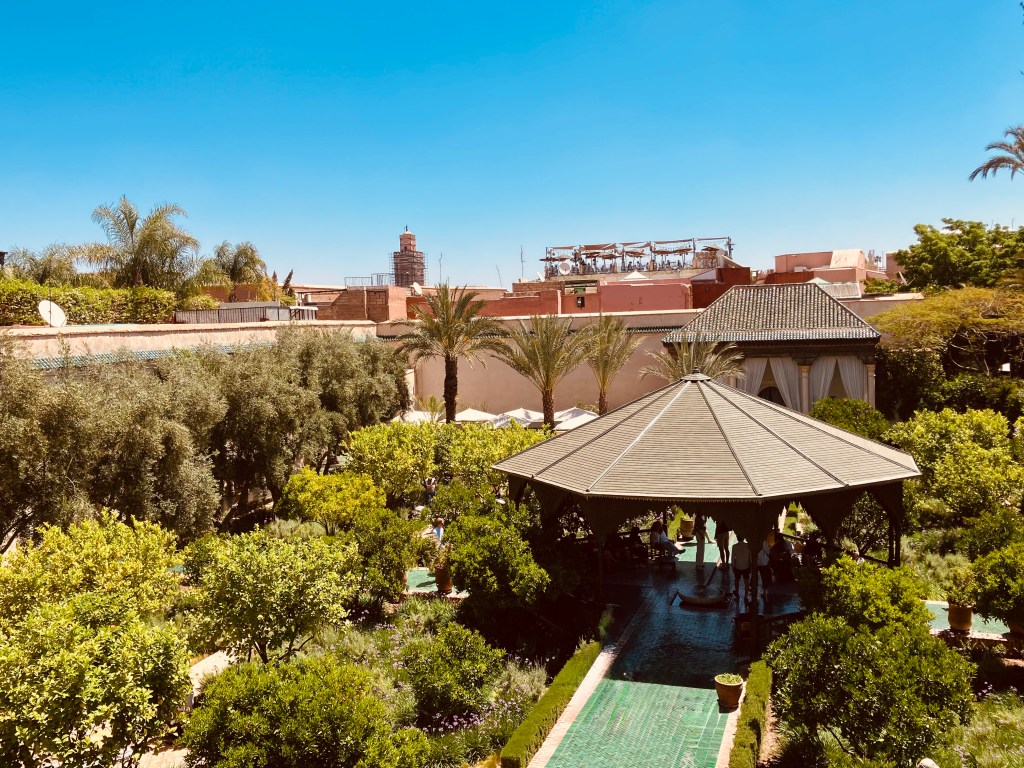
We were more than happy with the menu and the food and service provided.
Koutoubia Mosque:
We left the Gardens and turned right to walk another 15 minutes to the largest mosque in Marrakech. The call to prayer begins just as we approach and, as a result, whilst we cannot enter the inside of the building (as we are not of the Muslim religion) we do get a glimpse of the beautiful interior.
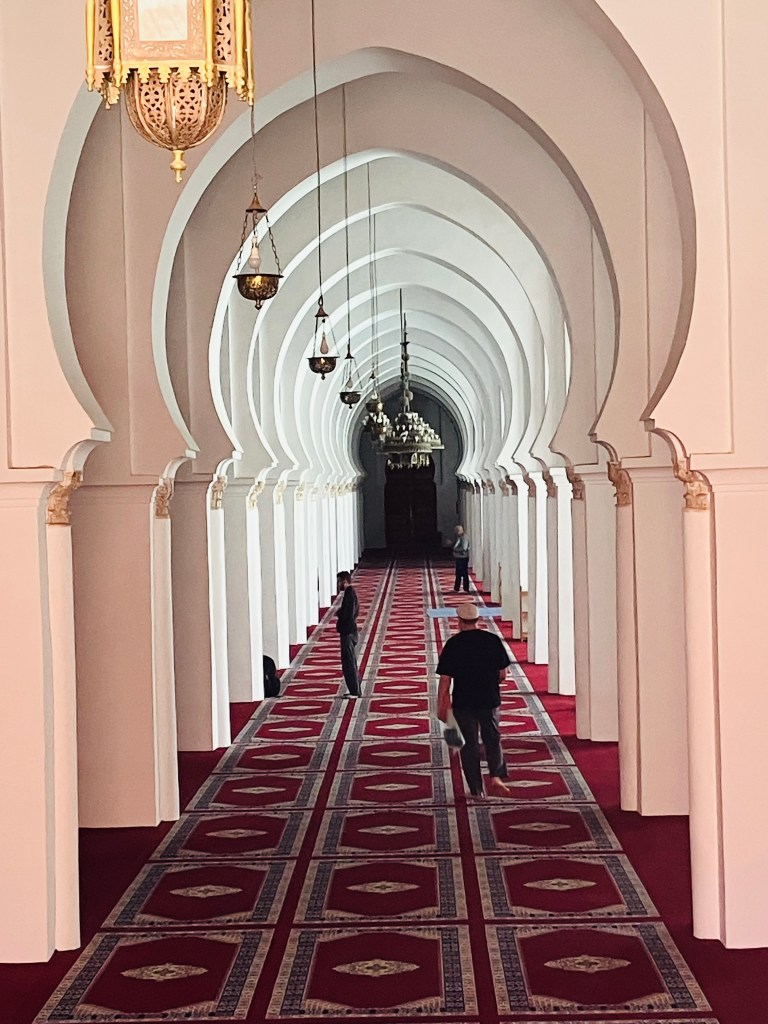
The mosque began its life back in 1147, with a second version of the mosque being entirely rebuilt around 1158 with the 253 ft minaret being finally completed in 1195. It is this second mosque that we see today, a great example of Almohad architecture.
The mosque was named after the Arabic word for “booksellers”. At one time as many as 100 book vendors worked in the streets at the base of the mosque.
There are many photos to be had from all sides although whilst we were visiting there was scaffolding on one side.

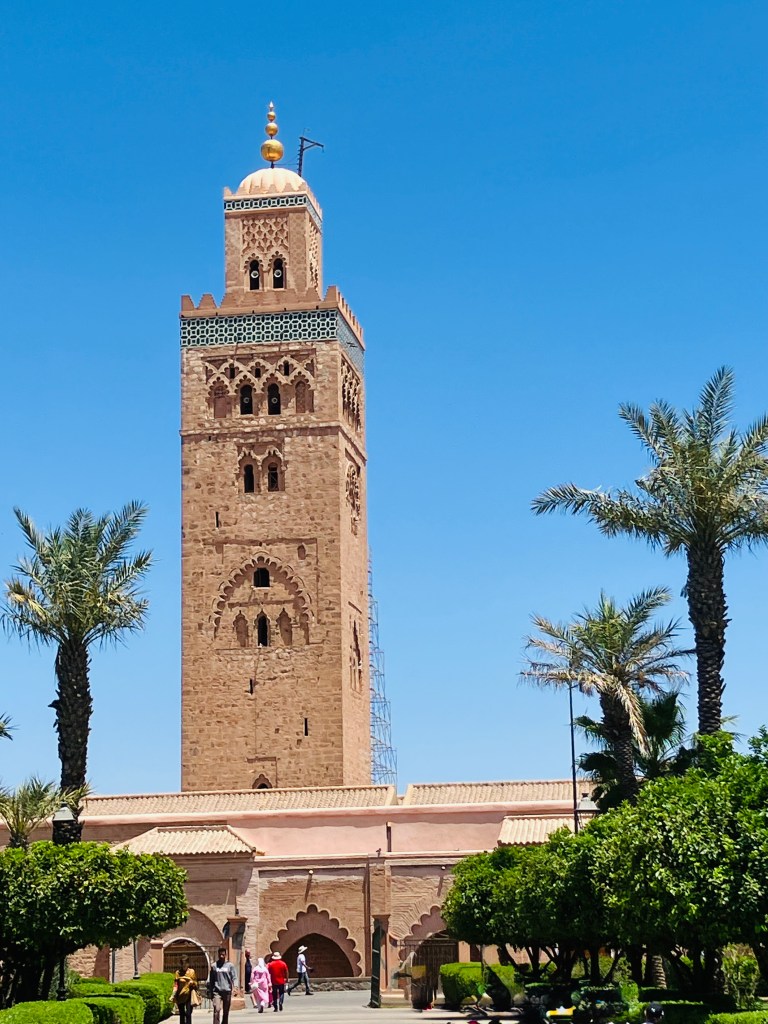
The square design of the minaret separates it from the more commonly seen domed shape prevalent in the Middle East. It’s scalloped keystone arches and jagged merlon crenellations are architecturally beautiful.
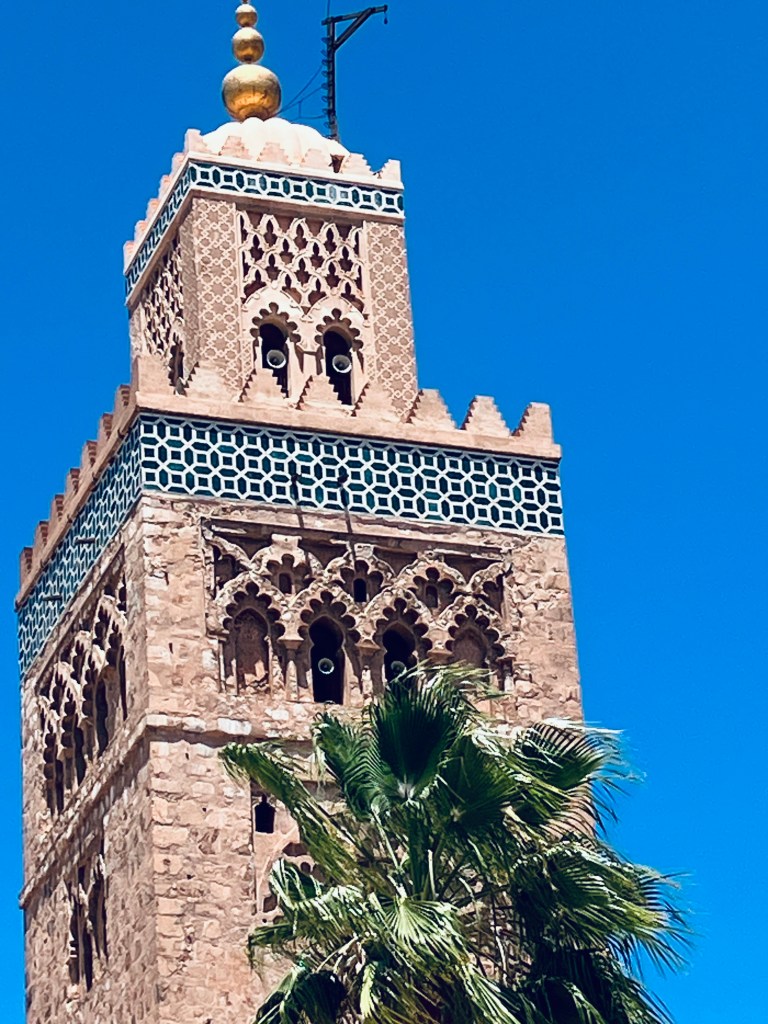
As you can see the minaret is topped by a spire of brass balls, these are filled with a special mineral salt taken from the High Atlas Mountains which includes nitrate and magnesium which prevents the spire from oxidising. This salt is changed yearly during Ramadan to ensure this brass pinnacle maintains its glow.
There are no stairs within the minaret, only a ramp, which the muezzin would have once ridden up on horseback to give, the five times a day, call to prayer.
The wooden stick at the top points towards Mecca and also bears flags on religious holidays.
To the rear of the mosque there are several gardens including The Koutoubia Gardens where once again you can retreat from the general fray of Marrakesh traffic, people and scooters and find a bench in the shade.
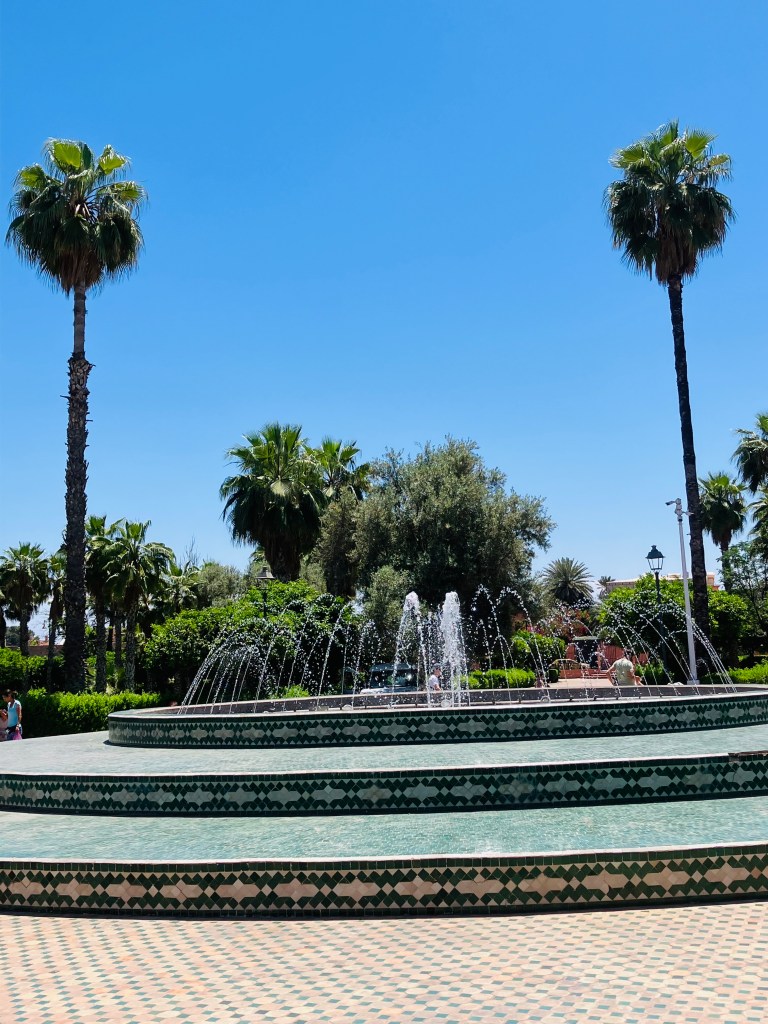
We visited the Park Lalla Hasana with its fountains, park benches, sculptures, palm trees and flowers.
Patisserie Des Princes:
Our walk back to the Riad from here will take us 30 minutes so we decide to encompass this wonderful Patisserie that I had read about during my advance research.
We feel like we are taking our lives in our hands as we cross the busy roads outside of the mosque in order to make our way towards the main square “Djemaa El Fna”. The patisserie is on our right as we walk along Pass. Prince Moulay Rachid.
This is one of the city’s most famous patisseries and a wonderful “hangover” from the French influence I have explained previously. On arrival you will see an ice cream kiosk outside so if, unlike us tea and cake doesn’t tempt you, then maybe an ice cream will. Amongst the array of flavours on offer you will find orange and even date or fig alongside more traditionally expected tastes.
Inside you will find two large display cabinets where the team of dedicated, skilled chefs create delightful confections that reflect a passion for the art of pastry-making.

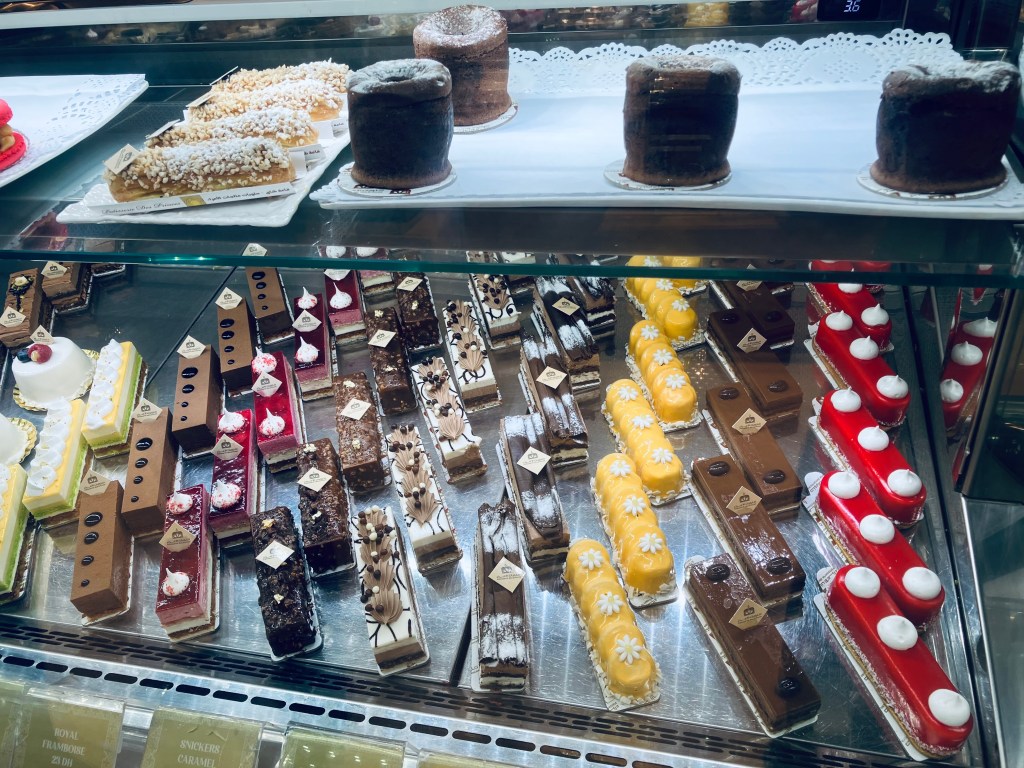
You can place your order with one of the staff behind the counter and then at the rear of the shop is a small tea room. Smartly dressed waiters are available to seat you at a table and take your drinks order whilst also delivering your beautiful chosen cakes.
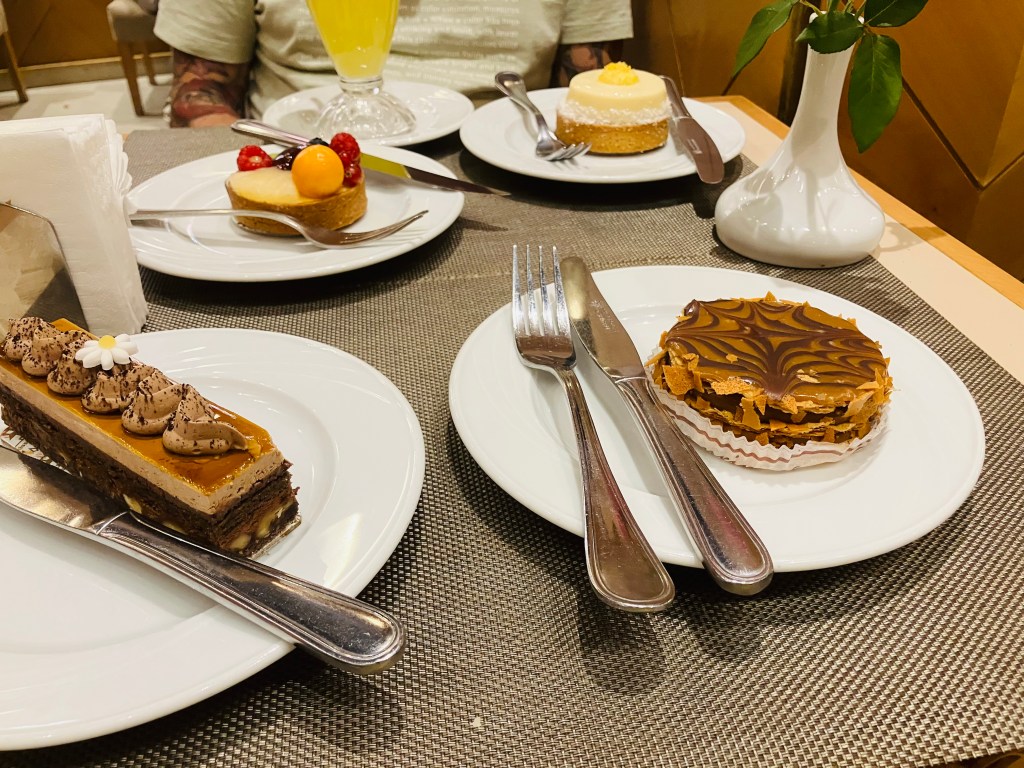
We were spoilt for choice and opted for two cakes each, alongside some home made lemonade for hubby and refreshing mint tea for me. The total cost of this little afternoon sojourn was less than £10 and it felt lovely to be amongst the mainly female Moroccan ladies taking a break from their shopping and treating themselves to a similar afternoon delicacy.
Our first day ended here before we made our way back to the Riad. Day 3 was a slightly less frenetic day which is coming soon……………….
 A Midlife Adventure