Leaving Brussels behind we travel, by train, further north and arrive forty five minutes later in Antwerp on Saturday Afternoon.
Our accommodation looks directly out onto Theaterplein which is the home of not only the city’s main theatre but also a Saturday market which is in full swing when we arrive. Our Air BnB host, who owns the restaurant downstairs, explains that it is a Holiday Weekend and therefore the market will be there for all three days. Having unpacked and made ourselves at home we popped across to the market to explore and amongst the many stalls selling produce, fish, cheese, meat and clothing were some food sellers including an oyster bar!
We bought ourselves some great Thai street food and a good supply of fruit and veg to eat over the next couple of days.
We have a full plan of activities lined up for two days of our stay but have left Monday free. Checking out the dates of Public Holidays in the countries you are visiting is a must. Not only might you find some additional events that interest you but also tourist levels and traffic can increase whilst shops etc may close for the duration of the holiday.
I learnt this lesson, ten years ago, when I embarked on a month long trip of America with my children.
My son wanted to visit New York and I wanted to go to San Francisco and then drive Highway 1 down the west coast. LA promised my teenagers Disney, Universal and Hollywood! Then from LA we were going to drive across the desert to Las Vegas.
Two thirds of the way down Highway 1, I got chatting to the owner of a restaurant in Morro Bay and discovered it was Labour Day weekend starting tomorrow!
“You will need to get on the road early” she exclaimed “traffic will be nose to tail!” I managed to get us to LA without straying off Highway 1 but the hotel we had booked in Anaheim was heaving as was all of the theme parks. Luckily we were there a week and I could rearrange everything in order to avoid the crowds but my lesson was learnt!
On Sunday morning we set out reasonably early to start our explorations. Walking to the Grote Markt or Great Market Square, the streets were still fairly quiet which always gives a better sense of authenticity to a place.
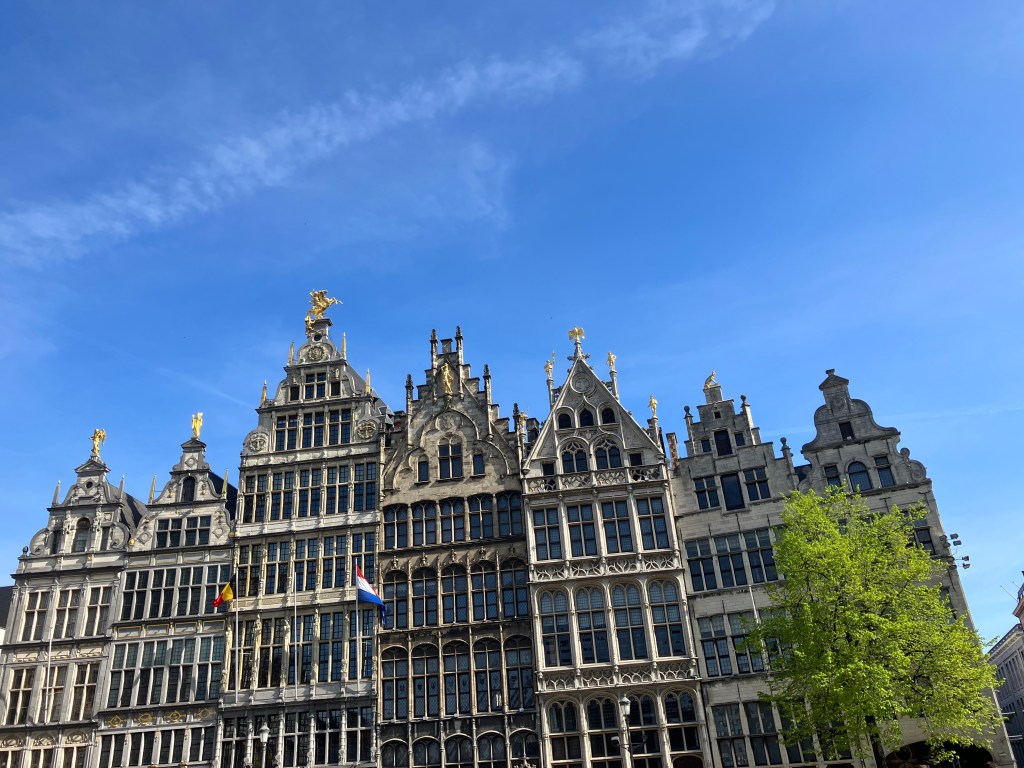
Standing in the square dominated by the elegant and grant Renaissance style City Hall on one side, the Baroque guildhall on another and set back a bit further but looming over it all The Cathedral of Our Lady, I take time to absorb the history around me.
The cathedral’s single Gothic spire seems to be reaching for the sky, standing at 123 m (404 ft); plans to build a matching partner were never realised but look up wherever you are in Antwerp and you will catch a glimpse of this edifice.
The surrounding guild houses and old patrician homes housed powerful artisan guilds who looked after each other and protected the techniques of their craft for future generations. The square is definitely a magnet for those who love studying city architecture.
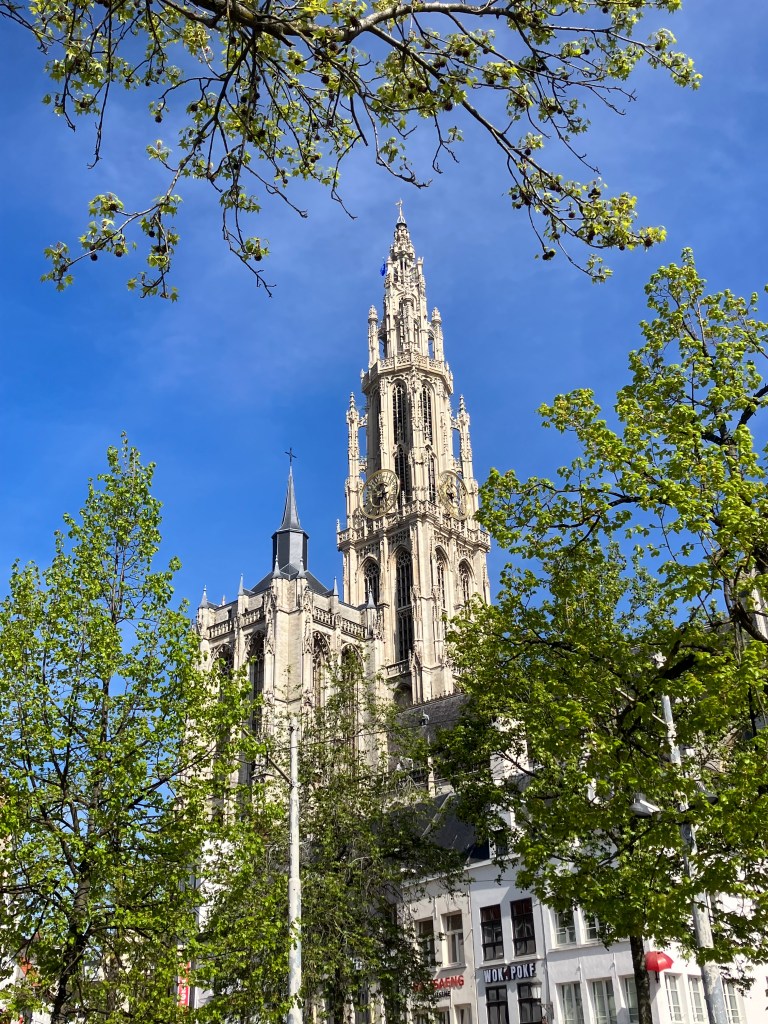
We leave the cathedral for a future visit and walk instead towards the river. Antwerp sits 55 miles from the North Sea on the River Schelde.
The busiest part of the river lies between Antwerp and Ghent and during the war Antwerp was a primary target for German forces. Following the destruction of Rotterdam in 1940, Antwerp was the largest surviving port in Western Europe, and the obvious choice to support an invasion of Germany. Of all the Belgian cities, Antwerp was the hardest hit during the German bombardment with flying bombs and rockets. Historians estimate that some 3,000 civilians were killed in Greater-Antwerp during a six month period. An additional 600 Allied soldiers also died.
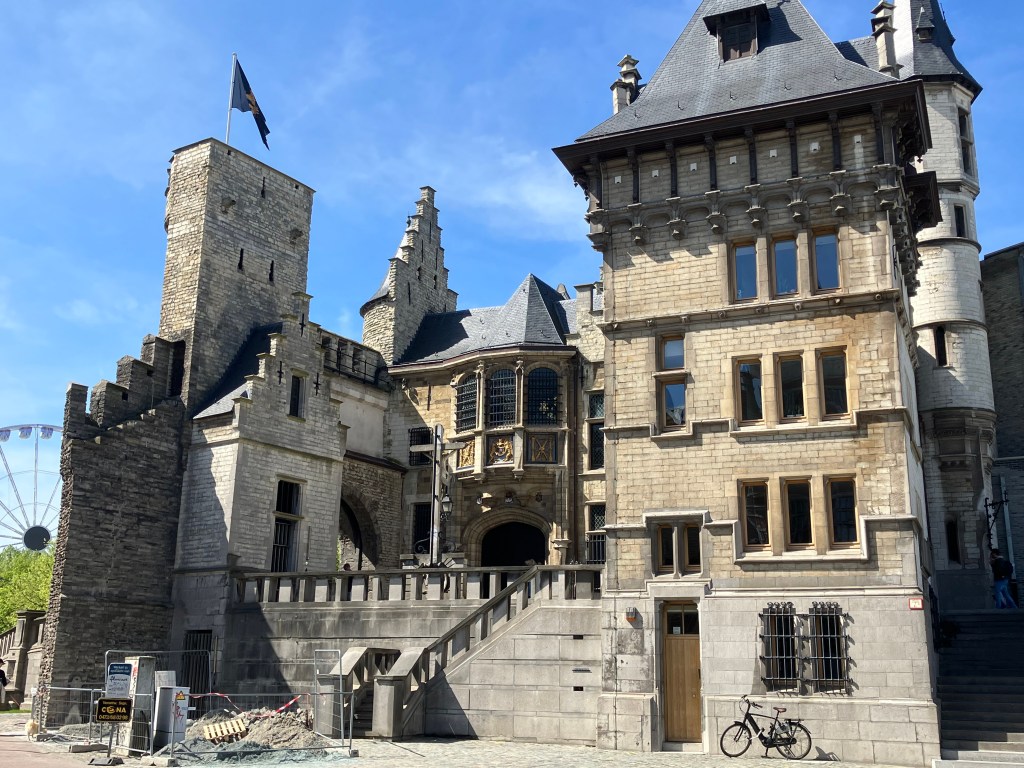
Sitting on the river today is the Het Steen, a medieval fortress which controlled the access to the Scheldt. The surviving structure was built between 1200 and 1225 as a gateway to a larger castle. However, there was a castle here as early as the Carolingian period in the 9th century.
As the first stone fortress of Antwerp, Het Steen is Antwerp’s oldest building and used to be its oldest urban centre. The words “Het Steen”, are dutch for The Rock.
Today the renovated Het Steen is home to The Antwerp Story where you can learn all about the history and identity of the city.
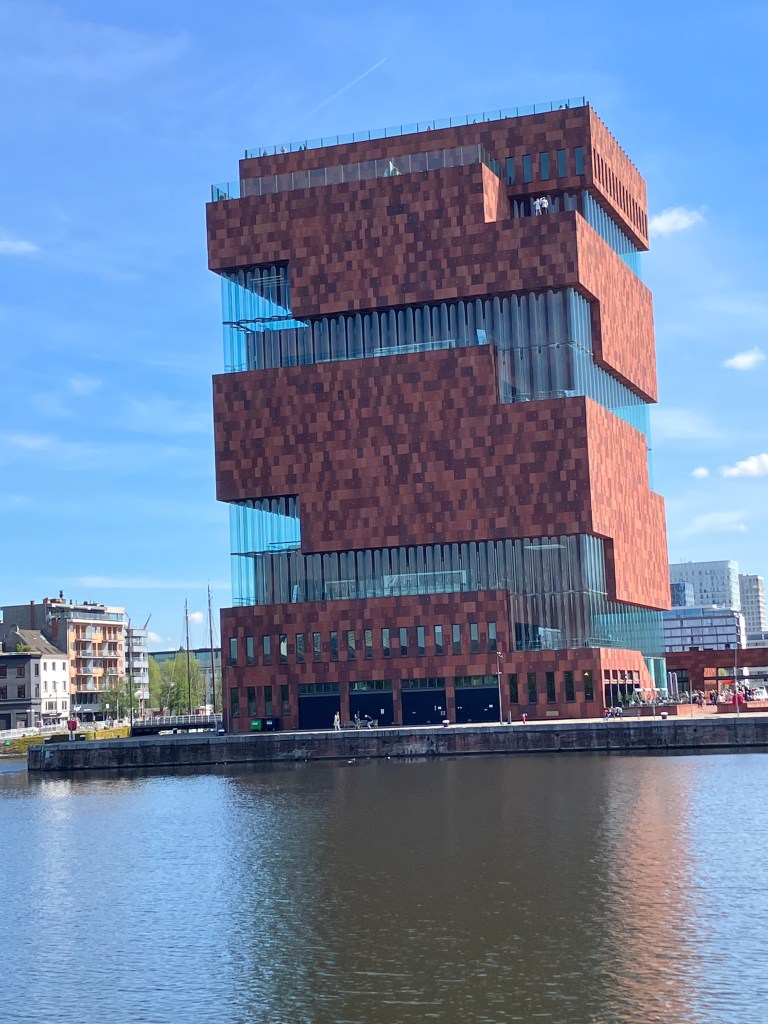
Walking further north along the river and then branching inland you arrive at Museum aan de Stroom or MAS. The building is designed to resemble boxes stacked in a spiral tower, and it offers great views of the city. Housing 600,000 pieces it tells the story of Antwerp, the river, the port and its place in the world. Whilst some exhibitions are permanent there are also ever changing exhibitions which are detailed on their website. You can take the escalator up to the ninth floor for free, and enjoy views through glass walls as you make your way to the top. On the 10th floor, there is a 360-degree panorama over the city, the harbour and the river.
Further north and tucked away in a quiet street -Montevideostraat is the Red Star Line Museum. This specialist museum outlines the story of immigration.
The history of humanity is presented as a history of migration and begins with a timeline of twenty personal stories. Each of the twenty stories represents a period of massive migration, from the dispersion of modern man (60,000 to 40,000 BC) to the migration crises of today.
Its main focus, however, is on the Red Star Line which transported 2 million people from Antwerp to North America. It is the most amazing story and one which I am writing a post about separately to publish on Tuesday.
Our day ended here at this museum but on Tuesday we also explored the Antwerp Train Station, voted one of the most beautiful in the world.
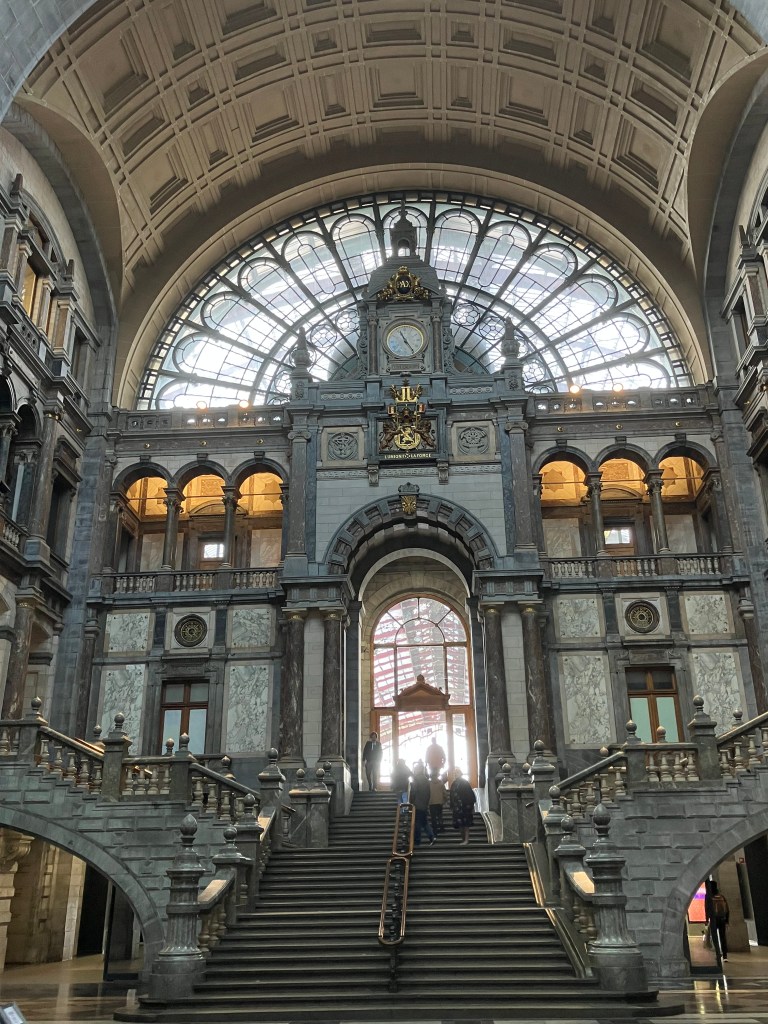
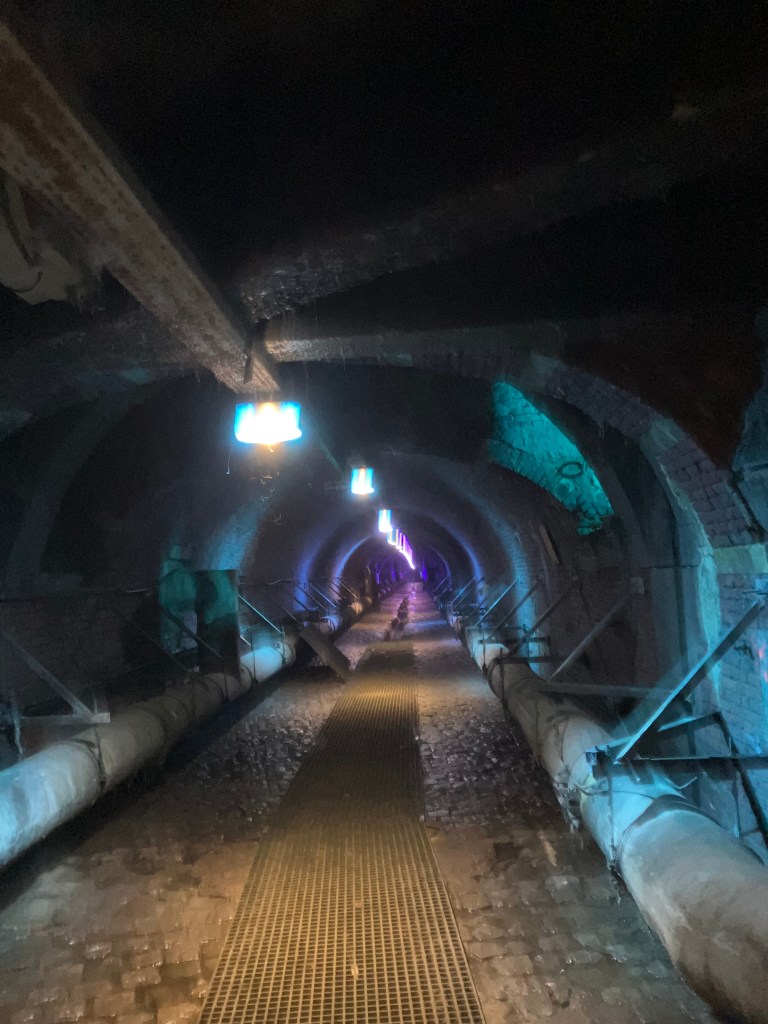
We went down into the old sewers of Antwerp with De Ruien
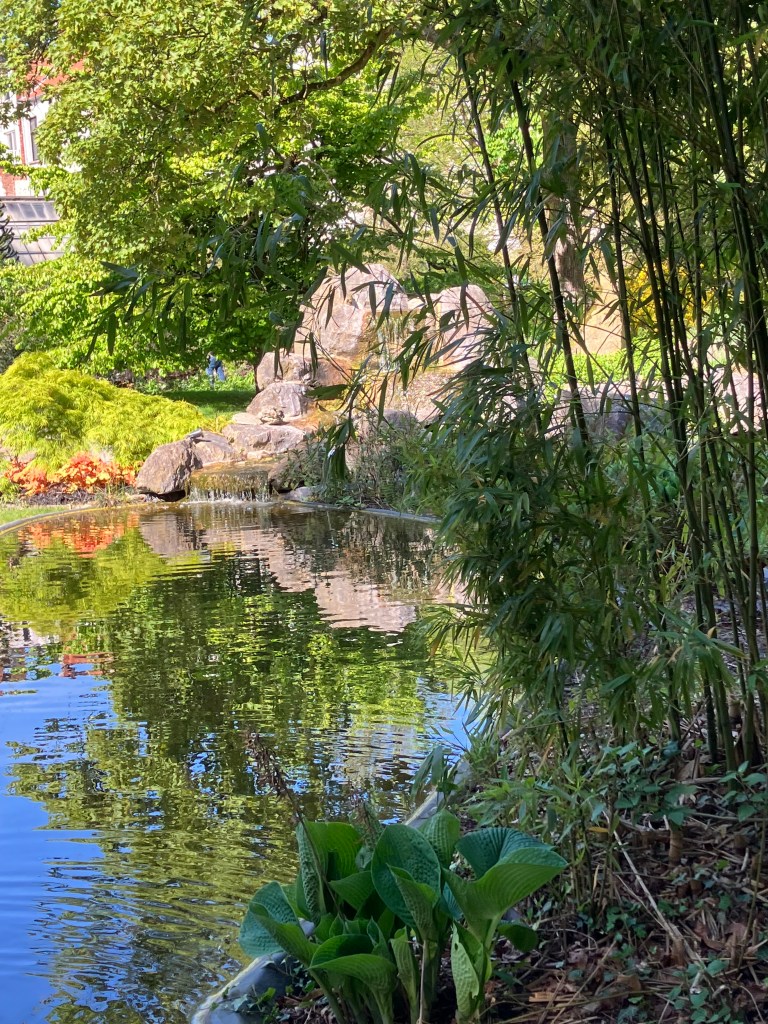
and visited the Diamond District. As well as being the second-largest port in Europe, Antwerp is also known as the diamond capital of the world. We finished that day in the Botanic Gardens.
We have only scratched the surface of this wonderful city. There are so many neighbourhoods to explore. There is the Meir shopping area which stretches from the cathedral all the way to Central Station. It doesn’t get its reputation of being the fashion capital of Belgium for no reason.
There’s the city park, the zoo, a walk along the River Scheldt, many other museums and the largest chocolate museum in the world…………………….
Tot ziens Antwerp, we will return!
NB:
We are now in Belgium and this is part fifteen in my series of posts about our tour of Western Europe. Why not read the previous posts and then follow us on our journey as we continue to explore this lovely part of the world?
 A Midlife Adventure