A little while ago one of my fellow bloggers, Mary, wrote a quick post about a forthcoming wedding and her frustration about how the world of wedding planning is changing. She decided to delete it but not before I’d had a chance to read it. It spurred me to write my own post as I find myself caught up in this forever changing world.
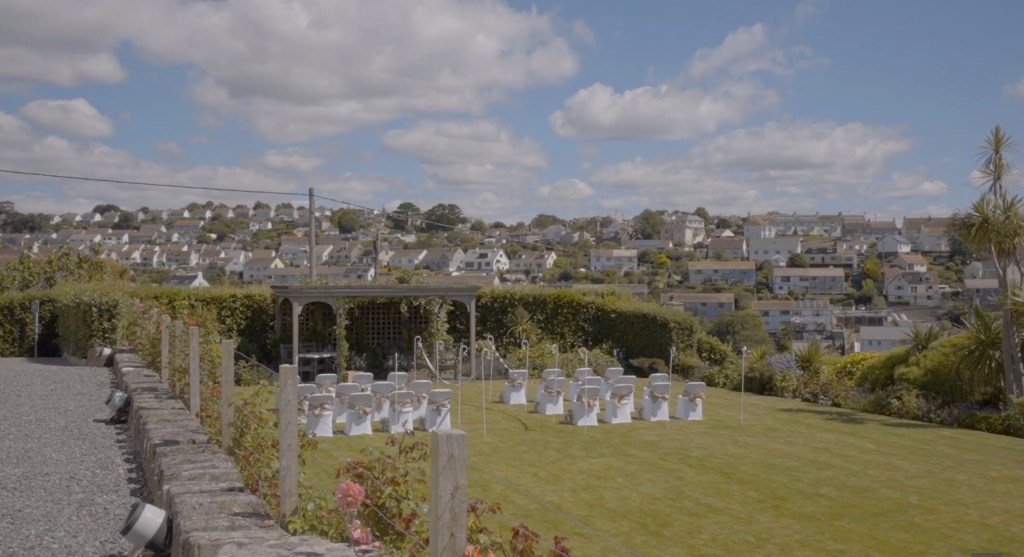
All photos on this post were taken at my wedding back in 2022

Getting Married:
The average (median) age for a first-time marriage in the UK is approximately 32.7 years for men and 31.2 years for women, based upon official figures from the Office for National Statistics. This sits nicely in the Millennial age group, those people born between 1981 and 1996.
The Capstone Effect:
Sociologists describe traditional marriage as a cornerstone event:
Historically (such as in the 1950s), marriage was the absolute foundation of adulthood. It was the starting block. You got married first, and then together as a young couple, you moved out of your parents’ houses, found a place to live, built your careers, and pooled your financial resources from scratch. You entered adulthood through the door of marriage.
In contrast, modern marriage is described as a capstone event:
Today, marriage is no longer the foundation; it is the roof you put on the house once the walls are fully built. Before getting married, young adults feel they must first achieve a series of independent adult milestones:
- Finishing higher education
- Establishing a stable career path
- Becoming financially secure (and often paying off student debt)
- Living together independently to test the relationship
Only when all of these pieces are securely in place do couples look at marriage as the final celebratory “stamp” on an already successful, established life together. It is a status symbol indicating that you have successfully made it to secure adulthood, rather than a tool to help you get there.
This shift perhaps also explains why wedding plans and ceremonies are also changing and moving away from what the parents of these Millennials expect.
I, myself, have experienced this new phenomenon this year when my son, who at nearly 31 sits just below that average age expectation, got married in March.
The Venue:
In the UK, getting married in a church is on the decline.
Until the mid-1990s, if you didn’t want a dull, clinical registry office wedding, a church was your only option for a beautiful setting. The Marriage Act 1994 changed the law to allow weddings at approved secular premises and in so doing the law broke the Church’s monopoly.
Couples could suddenly choose barns, castles, hotels, and stately homes. Secular venues offered convenience—allowing the ceremony, photos, and reception to happen in one place, with alcohol freely flowing—without the religious obligations or “church guilt”.
Christianity in the UK is now a minority with only 46.2% of all people identifying as Christian, a dramatic drop from 59.3% just a decade prior.
“No Religion” is soaring with 37.2% explicitly stating they have no religion.
Religion in the UK is heavily divided by age. Among young adults (aged 18 to 24), less than 1% identify with the Church of England, and around 61% of people aged 16 to 34 identify with no religion. Sociological research shows that once a generation grows up without a religion in the UK, they almost never adopt one later in life.
The Church of England explicitly states that couples do not need to be regular churchgoers to get married in their local parish church. Yet, modern UK couples increasingly feel that marrying in a church when they do not believe in God feels hypocritical or disingenuous. Because a church wedding is no longer a cultural expectation, couples feel free to design highly personalised, secular ceremonies that genuinely reflect their lifestyle.
The Impact on the “Average” Wedding
Because 6 out of 10 people of marrying age have no religious affiliation, and fewer than 1 in 20 identify with the established national church, the traditional church wedding has effectively become a niche subculture for millennials.
This is why we are seeing a massive rise in how weddings are taking place.
Approximately 21% to 25% of UK couples get married abroad, meaning that roughly one in four weddings is now a destination wedding.
The popularity of heading overseas ties directly back to the “capstone” mindset, financial autonomy, and the rejection of traditional wedding structures. Studies show that couples openly admit they choose a destination wedding specifically to avoid inviting unwanted guests without causing family drama. A wedding in Italy or France naturally slashes the guest list down to only the closest inner circle.
I must admit my second marriage back in 2022 was held in Cornwall at a beautiful Victorian mansion built in 1892. Perched high on a clifftop on Tregoney Hill, it commands spectacular, front-row panoramic views directly over the historic fishing harbour of Mevagissey and the rugged Cornish coastline.

I masterminded a 3 night, 4 day event, for 22 people, stretching from Friday Afternoon to Monday Morning with our wedding taking place in the gazebo on the lawn on the Saturday Afternoon.
My son chose to marry at Bath Registry Office which is housed in a stunning Grade I listed Georgian building dating back to 1775. With its sweeping grand staircases, high ceilings and prime location It offered a remarkably grand and elegant setting that defies the usual “clinical” stereotype of a standard registry office wedding.
Preparing for the Wedding:
Because modern couples are marrying much later, they are typically established working professionals with independent incomes and generally, as a result, do not expect their parents to pay for their weddings.
When parents pay for a wedding, traditional etiquette dictates that they get a major say in the guest list, the venue, and the style; however because Millennials view their wedding as a hyper-personalised capstone celebration of their established life together, they actively prefer to pay for it themselves. Funding the event independently allows couples to set their own rules—such as opting for a “no kids” policy, choosing a quirky secular venue over a family church, or keeping the guest list tightly curated.
Instead of handing over a blank cheque, parents are now more likely to “gift” a specific item to help relieve financial pressure—such as buying the wedding dress, paying for the bar tab, or funding the catering.
For many millennial couples, if their parents do have a sum of money available to give them, the “capstone” reality means they would often rather use those funds for a house deposit or to clear student debt rather than spending tens of thousands of pounds on a single day
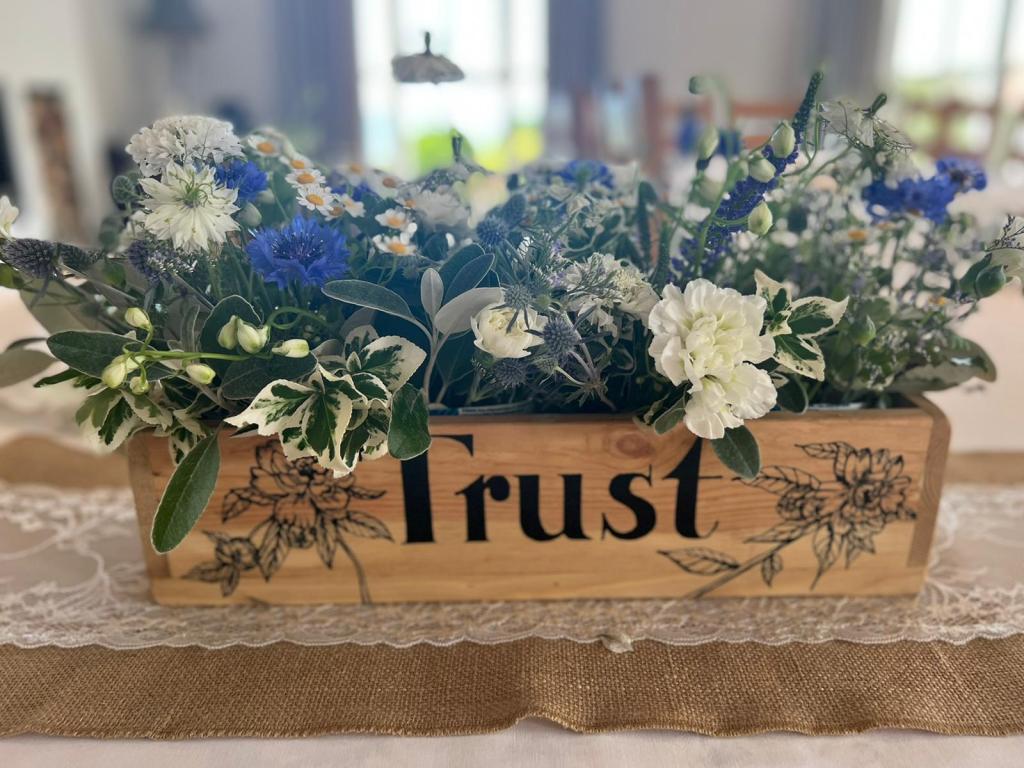
There is also an increasing change in the way that wedding preparation takes place with couples often setting up a website to manage the whole process from invitation to dress code, from the present list (if there is one) to the seating plan.
My son went for a half n half format where the elegant invitations, made on line, were distributed personally (they only invited 20 people to the actual ceremony) but all the rest of the preparations for the evening meal etc were conducted on line.
The rise of the wedding website is a direct result of Millennials being the “internet generation”. However, it is not just about a love for technology—it is a practical response to the unique economic, social, and geographic realities of modern couples.
For people in their early 30s today, digital-first planning is completely intuitive. They grew up alongside the evolution of the internet and expect the most stressful event of their lives to be as streamlined as any other digital service they use daily.
While Generation X witnessed the birth of the internet, Millennials were the first to grow up with it as an everyday tool, and Gen Z has never known a world without it.
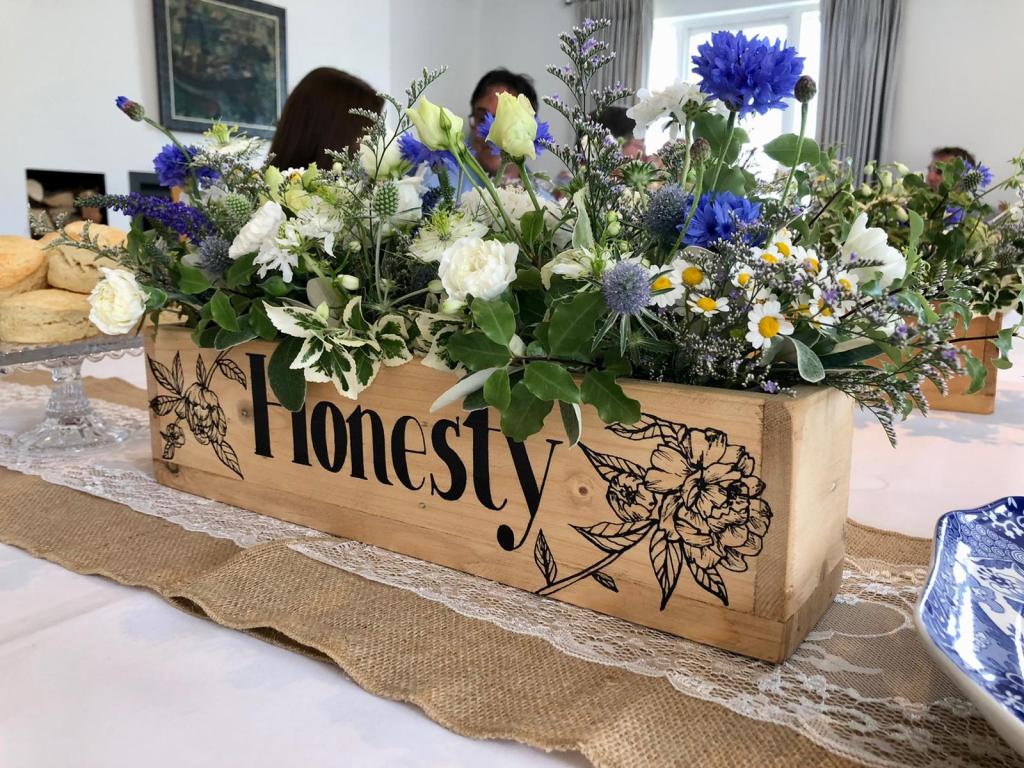
The Death of Paper Logistics: Managing a guest list of 100 people via physical RSVP cards, postal mail, and Excel spreadsheets feels agonisingly inefficient to an under-35 couple.
The “There’s an App for That” Mindset: Modern couples manage their banking, grocery shopping, and work projects via apps. So why wouldn’t they use an app to simply apply the seamless user experience of modern software to wedding planning. It transforms a chaotic mess of sticky notes into a centralised digital dashboard.
Beyond being tech-savvy, millennials use wedding websites to solve specific problems that didn’t exist for their parents’ generation:
| Modern Wedding Feature | Why It Requires a Website |
|---|---|
| The Multiday Event | Unlike a 1980s church-and-church-hall wedding, modern weddings often span a whole weekend (welcome drinks, the big day, hangover brunch). A website acts as a live, dynamic itinerary. |
| Geographic Dispersion | Couples today rarely marry in the exact village where all their guests live. Because friends and family are scattered globally, websites act as travel portals hosting hotel blocks, taxi numbers, and airport directions. |
| The Sensitive ‘No Kids’ Policy | Addressing “adults-only” rules can be socially awkward on a paper invite. Digital RSVPs allow couples to hard-code the guest names, neatly bypassing awkward conversations when someone tries to RSVP for their toddlers. |
| Dietary Requirements | With soaring numbers of vegan, gluten-free, or allergen-conscious guests, a website allows couples to collect complex dietary requirements instantly via drop-down menus, which can be exported straight to the caterer. |
Because marriage is viewed as a “capstone” event celebrating a couple’s established adult life, there is immense social pressure for the wedding to feel highly personalised and curated. A custom website serves as the very first introduction to the wedding’s “brand”—establishing the aesthetic, the dress code guidelines, and the tone of the event months before a single drink is poured.
The Wedding Gifts:
In the 1970s, a couple needed a department store registry to buy towels, a toaster, and fine china for their first home. Today, a 32-year-old couple likely already owns two toasters and a fully furnished flat.
Wedding websites now allow couples to elegantly handle the modern, awkward conversation around money. Some will choose to have no gifts at all whilst others will suggest Instead of department store scanners, digital registries which host “Honeymoon Funds”where guests can digitally send cash neatly integrated right alongside the RSVP page.
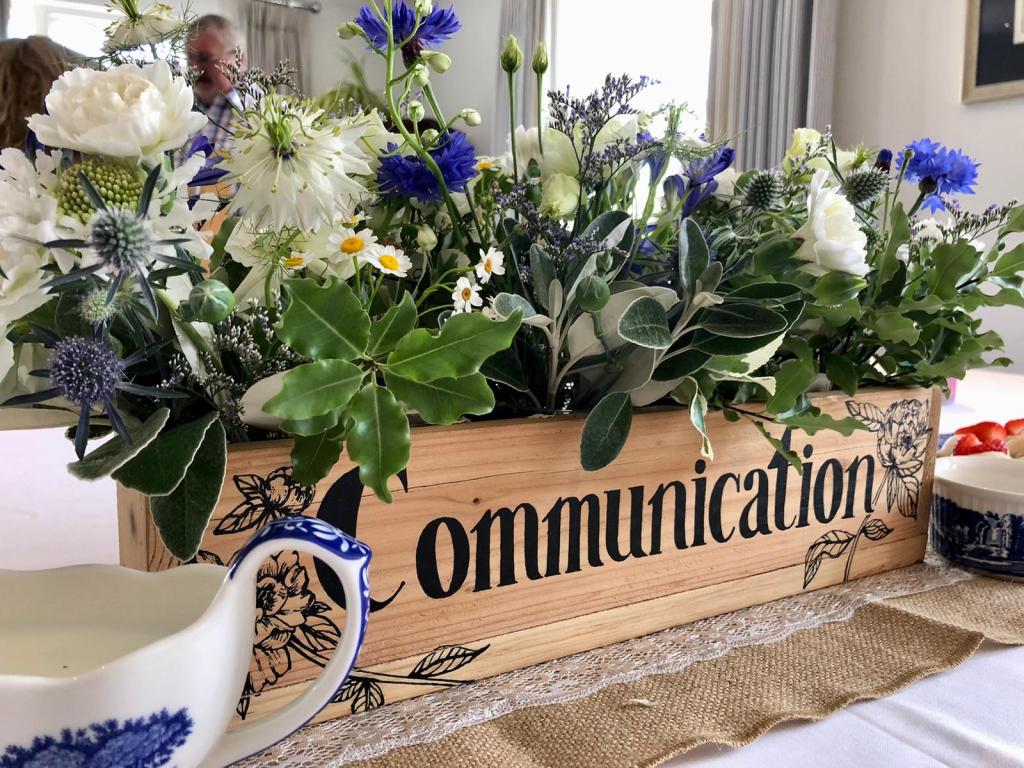
Wedding Cakes, Place Settings and Speeches:
The traditional multi-tiered, heavy fruitcake covered in hard white royal icing is effectively dead for this generation. Instead, Millennials have turned the wedding cake into a creative focal point or ditched it for something they actually like to eat.
- Flavour Over Tradition: Modern cakes feature contemporary flavours like salted caramel, lemon elderflower (made famous by Harry and Meghan), passionfruit, or red velvet.
- The “Naked” and Floral Cake: Visually, Millennials popularised the “naked” or “semi-naked” cake—where the sponge layers are visible through a light smear of buttercream and decorated with fresh flowers or berries.
- The Dessert Table Counter-Trend: A huge portion of Millennials opt out of a traditional cake altogether. They prefer a spectacular visual display of doughnut walls, macaron towers, gourmet brownie piles, or a tiered “cake” made entirely of artisanal cheese wheels for the evening party.
At our wedding we opted for a three tier chocolate cake. The top was dark chocolate with a cherry filling, then the middle was milk chocolate with salted caramel filling and the bottom was our favourite -white chocolate with a passion fruit filling.
My son opted for no cake.
Place Cards for the guests depend upon the type of wedding meal being presented. Millennials will often maintain the idea of a “top table” but will refrain from having place cards unless it is a formal 3-5 course meal. Because Millennials prefer a relaxed atmosphere, place settings are frequently dismissed if the couple opt for a buffet style menu.
Where speeches are concerned these are predominantly still included but long, droning 30-minute speeches are a major faux pas for this generation. Millennial speechmakers frequently read their notes off their iPhones or iPads, and there is a strict cultural rule to keep them under 5 to 7 minutes to maintain the crowd’s energy.
Traditionally, speeches happened after the meal. Millennials frequently move them to before the food is served or split them up between courses. This allows the speakers to get their nerves out of the way so they can actually enjoy their dinner.
Historically, only men spoke (Father of the Bride, Groom, Best Man) at weddings. Millennials have completely democratised this. There is no set pattern to the speeches and the couple will often select who they want rather than following any staid traditions.

Final Thoughts:
Seeing how my own son approached his beautiful Bath Registry Office wedding—and reflecting on my own celebration in Mevagissey—has given me a lot of perspective on this generational divide. It can be incredibly difficult as a parent to watch traditions we held dear be politely set aside. When we see our fellow parents trying to dictate guest lists, enforce church ceremonies, or push for the large-scale gatherings of the past, it usually comes from a place of love and a desire to celebrate.
But we have to remember: our children aren’t the young, blank-slate twenty-somethings of the mid-20th century. They are independent, established adults in their late 20s and early 30s who have already built the walls of their lives. This wedding isn’t their starting line; it is their crowning achievement.
To my fellow traditional parents, I offer a gentle invitation when a wedding next appears on your family’s horizon: step back, take a breath, and look at the capable adults your children have become. When we let go of the urge to control their day based on outdated scripts, we open the door to something much better. We get to witness a day that truly, authentically reflects their love story—and our role shifts from stressful coordinators to proud, honored guests. After all, the best gift we can give our millennial children isn’t a blank cheque or a list of demands; it is our blessing to let them build their own capstone.
Over to you:
Have you experienced this generational shift in wedding planning yourself? If you found this post relatable, please give it a like, and leave a comment below sharing your own experiences or thoughts on the modern “capstone” wedding. I would love to hear your perspective!


Thanks for mentioning my blog 😊
My main gripe with that recent wedding I attended was the lack of advance information. If you want people to TRAVEL for your wedding, make it as easy as possible for them.
LikeLike