Having shared my own midlife experience of marriage I thought I would have a look at how the world of weddings is now changing. It’s certainly been an event that has been popping up in my life of late.
My son got married in March this year and two of his close friends got married in September. One of my old school friends was also talking to me in the summer about her nephew’s wedding and sharing her feelings about her daughter’s forthcoming wedding early next year.
Plans and arrangements are definitely changing as the millennial generation start altering their status and embarking on this new phase of their life and so as a parent of a millennial or someone younger what can we expect?

Millennials Get Married Later:
This is a statistical fact in the UK for those born between 1981 and 1996. The average age for a first-time marriage in the UK is approximately 32.7 years for men and 31.2 years for women, based upon Uk Government research.
Historically (such as in the 1950s), marriage was the absolute foundation of adulthood. It was the starting block. You got married first, and then together as a young couple, you moved out of your parents’ houses, found a place to live, built your careers, and pooled your financial resources from scratch. You entered adulthood through the door of marriage. Sociologists describe this traditional marriage as a cornerstone event and many of us now in midlife and beyond remember those days.
Today, marriage is no longer the foundation; it is the roof you put on the house once the walls are fully built. Before getting married, young adults feel they must first achieve a series of independent adult milestones:
- Finishing higher education
- Establishing a stable career path
- Becoming financially secure (and often paying off student debt)
- Living together independently to test the relationship
For millennials and beyond it’s only when all of these pieces of the jigsaw are securely in place that couples look at marriage as the final celebratory “stamp” on an already successful, established life together. It is a status symbol indicating that you have successfully made it to secure adulthood, rather than a tool to help you get there. This modern marriage phenomenon is described as a capstone event.
It’s rather extraordinary how attitudes have changed within a single generation. There was a time when an unmarried couple sharing a home would have raised more than a few eyebrows, with disapproving relatives muttering about them “living in sin”. Fast forward a few decades and it’s almost the opposite — couples announcing their engagement before they’ve even lived together might be the ones raising eyebrows!
Perhaps one of the other most significant changes to marriage in recent years has been the recognition of same-sex couples. It was only in 2014 that same-sex marriage became legal in England and Wales. Today, approximately one in every 25 to 30 marriages is between a same-sex couple.
The younger generation has a wonderfully simple expression for this: “Love is love.” Three little words that sum up a transformation in attitudes that would have been almost unthinkable just a few generations ago.
The Venue is Unlikely To Be A Church:
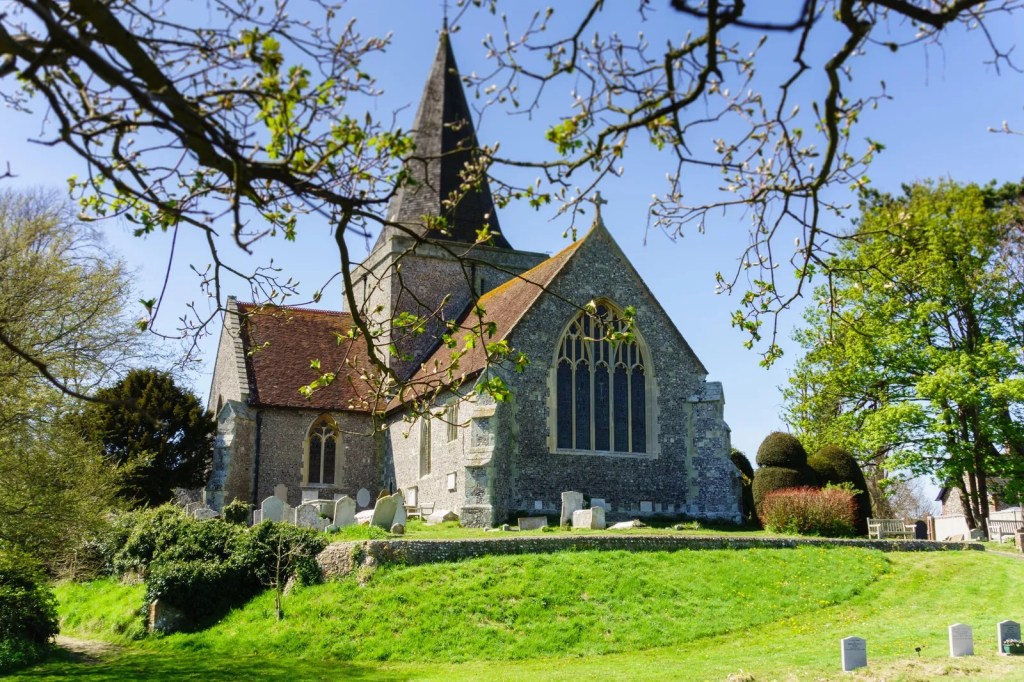
In the UK, getting married in a church is definitively on the decline.
Until the mid-1990s, if you didn’t want a dull, clinical registry office wedding, a church was your only option for a beautiful setting. However in 1994 The Marriage Act changed the law to allow weddings at approved secular premises and in so doing the law broke the Church’s monopoly.
Couples could suddenly choose barns, castles, hotels, and stately homes. Secular venues offered convenience—allowing the ceremony, photos, and reception to happen in one place, with alcohol freely flowing—without the religious obligations or “church guilt”.
I am aware in writing this post that I have many readers all around the world. To some the next fact maybe somewhat shocking: Christianity in the UK is now a minority with only 46.2% of all people identifying as Christian, a dramatic drop from 59.3% just a decade prior. The idea of “No Religion” is soaring with 37.2% explicitly stating they have no religion.
The effect this has on a Millennial wedding is that around 61% of people aged 16 to 34 identify with no religion. This will only increase over time when you consider that amongst the younger adult age group, those aged between 18-24, less than 1% identify with the Church of England. My children were not brought up with religion at home albeit they attended schools where religion was still a component. Sociological research shows that once a generation grows up without a religion in the UK, they almost never adopt one later in life.
Because 6 out of 10 people of marrying age have no religious affiliation, and fewer than 1 in 20 identify with the established national church, the traditional church wedding has effectively become a niche subculture for millennials.
Millennials do not see a church wedding as a cultural expectation, couples instead feel free to design highly personalised, secular ceremonies that genuinely reflect their lifestyle.
Approximately 21% to 25% of UK couples get married abroad, meaning that roughly one in four weddings is now a destination wedding. Studies show that couples openly admit they choose a destination wedding specifically to avoid inviting unwanted guests without causing family drama. A wedding in Italy or France naturally slashes the guest list down to only their closest inner circle.
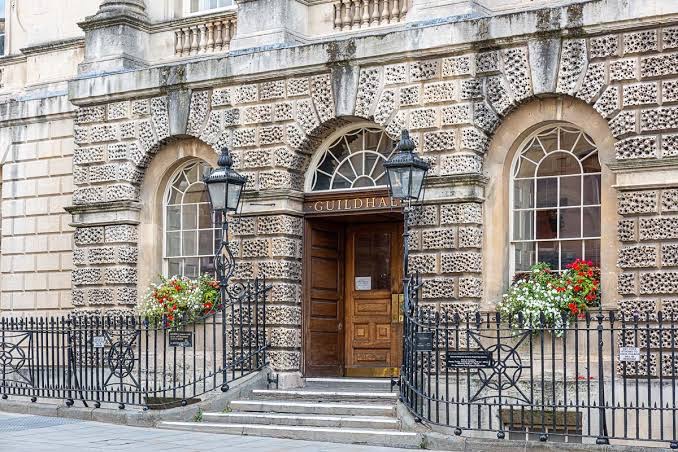
My son toyed with the idea of getting married abroad but ultimately chose to get married at Bath Registry Office which is housed in a stunning Grade I listed Georgian building dating back to 1775. With its sweeping grand staircases, high ceilings and prime location it offered a remarkably grand and elegant setting that defies the usual “clinical” stereotype of a standard registry office wedding. They had spent their first weekend away together in Bath and so it held fond memories.
There is a Strong Likelihood That You Won’t Have To Pay For The Wedding:
Because modern couples are marrying much later, they are typically established working professionals with independent incomes and generally, as a result, do not expect their parents to pay for their weddings.
Historically when parents pay for a wedding, traditional etiquette dictates that they get a major say in the guest list, the venue, and the style; however because Millennials view their wedding as a hyper-personalised capstone celebration of their established life together, they actively prefer to pay for it themselves. Funding the event independently allows couples to set their own rules—such as opting for a “no kids” policy, choosing a quirky secular venue over a family church, or keeping the guest list tightly curated.
Instead of handing over a blank cheque, parents are now more likely to “gift” a specific item to help relieve financial pressure—such as buying the wedding dress, paying for the bar tab, or funding the catering. For many millennial couples, if their parents do have a sum of money available to give them, the “capstone” reality means they would often rather use those funds for a house deposit or to clear student debt rather than spending tens of thousands of pounds on a single day.
The Wedding May Well Be Organised On-Line:
This would have been a completely alien concept even at the end of the last century but while Generation X witnessed the birth of the internet, Millennials were the first to grow up with it as an everyday tool, and Gen Z has never known a world without it.
Modern couples manage their banking, grocery shopping, work projects, in fact their whole lives on line. So why wouldn’t they use an app to simply apply the seamless user experience of modern software to wedding planning. It transforms a chaotic mess of sticky notes into a centralised digital dashboard.
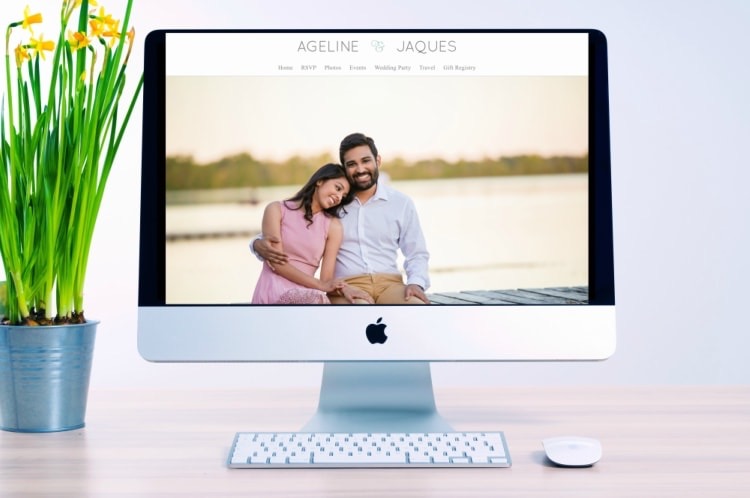
Once upon a time, organising a wedding involved beautifully printed invitations, handwritten RSVP cards and endless telephone calls to confirm who was coming. According to 2024 research, 42% of recently married couples had created their own wedding website. Guests can now RSVP online, choose their meals and find everything they need to know at the click of a button.
Beyond being tech-savvy, millennials use wedding websites to solve specific problems that didn’t exist for their parents’ generation:
The Multiday Event – Unlike a 1980s church-and-church-hall wedding, modern weddings often span a whole weekend (welcome drinks, the big day, hangover brunch). A website acts as a live, dynamic itinerary.
Geographic Dispersion -Couples today rarely marry in the exact village where all their guests live. Because friends and family are scattered globally, websites act as travel portals hosting suggested hotel accommodation, taxi numbers, digital maps for venue location etc
The Sensitive ‘No Kids’ Policy -Addressing “adults-only” rules can be socially awkward on a paper invite. Research again from 2024 indicates that around half of couples planning their weddings aren’t intending to include children on the guest list. This is quite a departure from the traditional family wedding, where children in their Sunday best were very much part of the celebrations. Whether this reflects rising costs, changing attitudes or simply a desire for a more grown-up occasion is open to debate.
Dietary Requirements -With soaring numbers of vegan, gluten-free, or allergen-conscious guests, a website allows couples to collect complex dietary requirements instantly via drop-down menus, which can be exported straight to the caterer.
My son opted for elegant invitations, made on line, that they distributed personally to the twenty people invited to the actual ceremony but all the rest of the preparations, including the main event in the evening for a larger group of guests was conducted on line. Their friends who were married in September created their own website for their week long wedding abroad and everything was organised from this.
A custom website serves as the very first introduction to the wedding’s “brand”—establishing the aesthetic, the dress code guidelines -yes you read that right! and the tone of the event months before a single drink is even poured.
Efficient? Absolutely. Romantic? Well, I suppose that depends on your point of view!
Forget the Wedding Gift:
Back in the 1970s and 80s, when a lot of the Millennial parents were getting married a couple needed a department store registry to buy towels, a toaster, and fine china for their first home. Today, a 32-year-old couple likely already owns two toasters and a fully furnished flat.
The Wedding websites created above, also now allow couples to elegantly handle the modern, awkward conversation around money. Some will choose to have no gifts at all ( my son went with this option) whilst others will suggest if you wish to give a gift then there is a digital registry on the website where guests can digitally send cash neatly integrated right alongside the RSVP page.
There may be no Wedding Cake, Place Settings or Speeches:
The traditional multi-tiered, heavy fruitcake covered in hard white royal icing is effectively dead for this generation. Instead, Millennials have turned the wedding cake into a creative focal point or ditched it for something they actually like to eat.
- Flavour Over Tradition: Modern cakes feature contemporary flavours like salted caramel, lemon elderflower (made famous by Harry and Meghan), passionfruit or red velvet.
- The “Naked” and Floral Cake: Visually, Millennials popularised the “naked” or “semi-naked” cake—where the sponge layers are visible through a light smear of buttercream and decorated with fresh flowers or berries.
- The Dessert Table Counter-Trend: A huge portion of Millennials opt out of a traditional cake altogether. They prefer a spectacular visual display of doughnut walls, choux pastry towers, cupcake trees or a tiered “cake” made entirely of artisanal cheese wheels for the evening party.
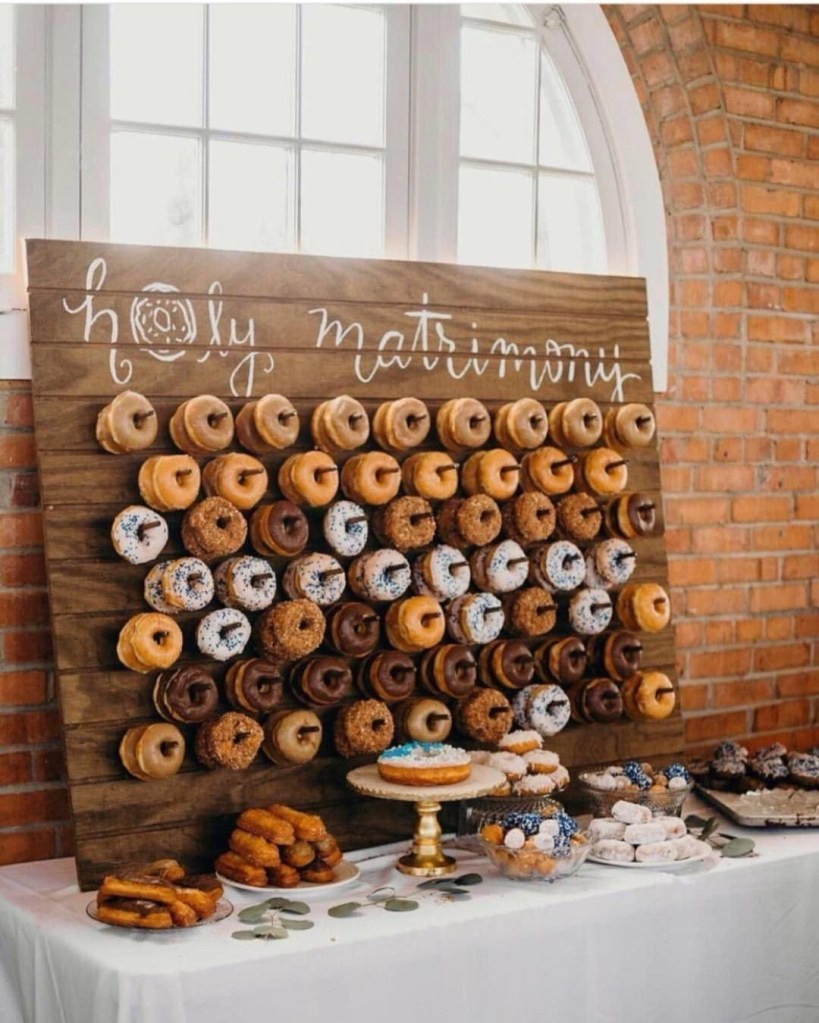
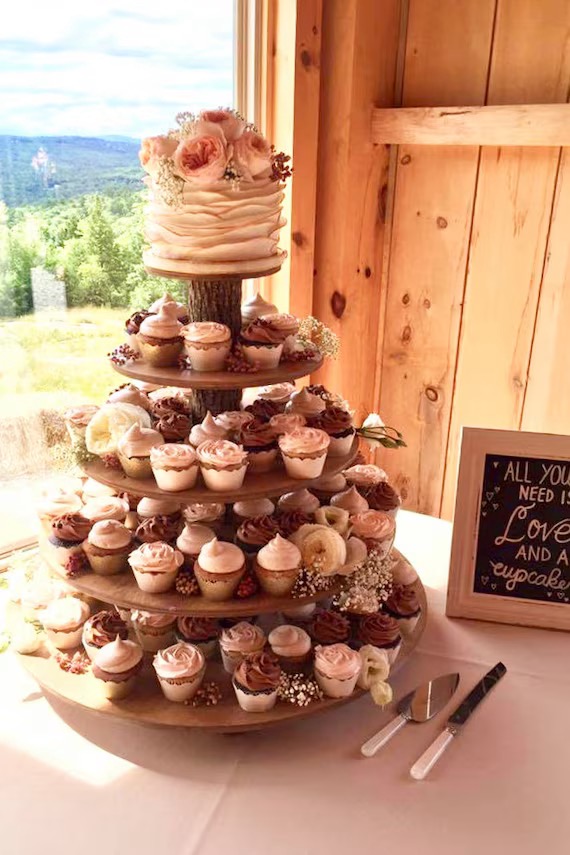
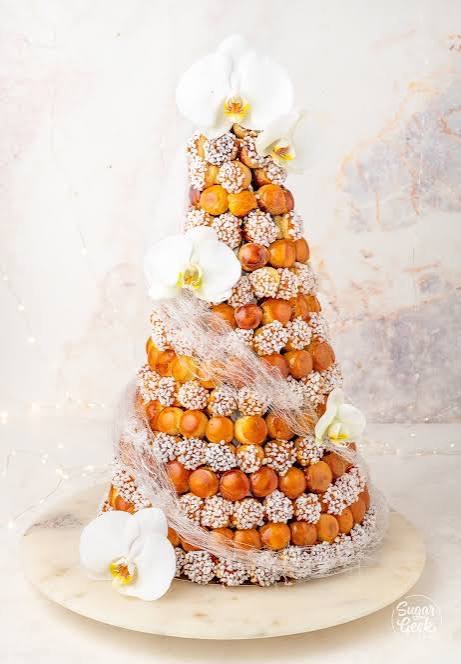
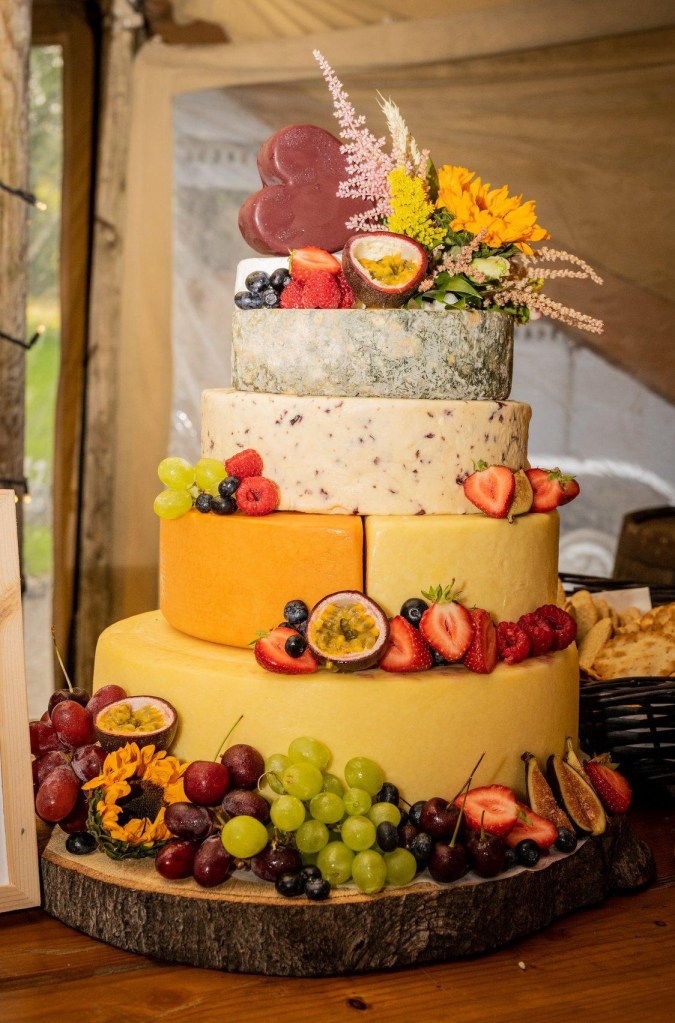
My son opted for no cake.
Place Cards for the guests depend upon the type of wedding meal being presented. Millennials will often maintain the idea of a “top table” but will refrain from having place cards unless it is a formal 3-5 course meal. Because Millennials prefer a relaxed atmosphere, place settings are frequently dismissed if the couple opt for a buffet style menu.
Where speeches are concerned these are predominantly still included but long, droning 30-minute speeches are a major faux pas for this generation. Millennial speechmakers frequently read their notes off their iPhones or iPads and barely ever stay standing for even 10 minutes.
Traditionally, speeches took place after the meal. Millennials frequently move them to before the food is served or split them up between courses. Historically, only men spoke (Father of the Bride, Groom, Best Man) at weddings. Millennials have completely democratised this. There is no set pattern to the speeches and the couple will often select who they want rather than following any staid traditions.
Final Thoughts:
Watching wedding traditions change can be difficult for those of us who grew up with a very different set of expectations. As parents, we naturally want to be involved, but perhaps we also need to recognise that our children are no longer starting their adult lives with marriage. They’ve already built lives of their own.
Ultimately, whether it’s a church wedding, a registry office ceremony or a celebration on a beach somewhere, surely what matters most is that the day reflects the couple and the life they’ve chosen together.
Perhaps the greatest gift we can give our children isn’t a blank cheque or a list of expectations, but the freedom to celebrate their marriage their way.
I’d love to hear your thoughts. Have you noticed how weddings have changed over the years, or have you experienced these changing traditions within your own family? Do leave a comment below, and if you’ve enjoyed this post, please give it a like or share it with others.
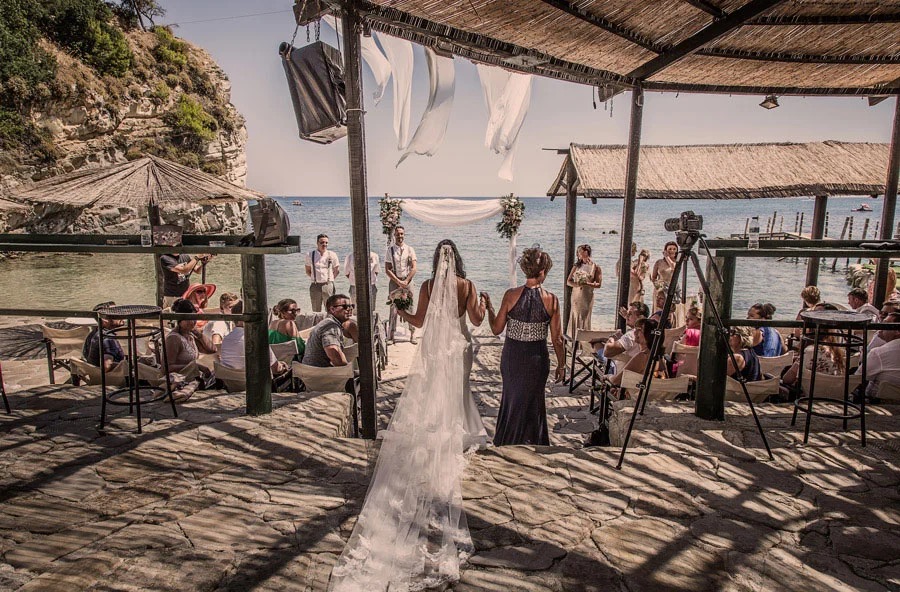


As a Millennial who just got married this summer, I can say you hit the nail on the head! My spouse and I basically checked off all of the points you mentioned: getting married later (at 33 and 35, respectively), doing online invitations, hosting it at a non-religious site (by the ocean, actually!), and asking for donations to a honeymoon fund, rather than gifts. I think given the world we live in right now, Millennials are thinking with more “practically” in their weddings. That, or just simply eloping to save tens, if not hundreds, of thousands of dollars in cost!
LikeLiked by 1 person
I’m pleased you agree Rebecca and that you both got to enjoy the wedding celebration that you wanted. By the ocean in the sunshine must have been lovely.
I’m intrigued to know how your two families felt? As a midlifer I do think there is an element of adaptation required for those who cannot cope easily with change.
LikeLiked by 1 person
Our families were happy with how it turned out, too. They’re older, but also understanding that times are changing and that, ultimately, it’s our marriage and our wedding to have!
LikeLiked by 1 person
I’m so pleased for you 😊I know a few midlifers who are really struggling with all the changes and just want everything to be “ the way it has always been”.
LikeLiked by 1 person
Yes, weddings are very different now. My cousin got married a couple of years ago and it was a very small wedding compared to what I’m used to. I think these days people prefer smaller weddings with close friends and family which is very understandable. Definitely different food options now too.
LikeLiked by 1 person
Thank you for reading PJ. The world moves on and changes with the generations. Unfortunately looking around me, where I live, there are a lot of older people who just don’t want to accept the changes
LikeLike