My next blog post was going to be a return to Wales, but last weekend we ventured down to Somerset for a few days. It wasn’t quite the trip we’d planned, thanks to both Storm Austen and Storm Boelo but we still managed to run between the raindrops and explore two historic properties owned and cared for by the National Trust.
This got me thinking about introducing this wonderful organisation to my readers around the world.
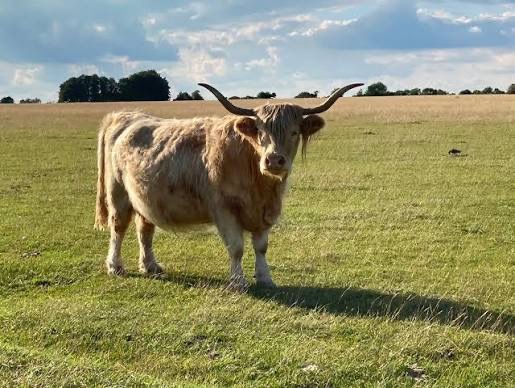
As you will discover the National Trust own all sorts of places including 580 acres of “common land” near to where I was born. Marking Day traditionally takes place on 13th May each year and this is the day that Alcoa farmers release their cattle out to graze.
The UK attracts tens of millions of overseas visits every year. According to the latest figures published by the Office for National Statistics (ONS), overseas residents made an estimated 40.8 million visits to the UK in 2025. That’s an incredible number of people coming to explore our shores, and many venture beyond the capital to discover what the rest of the country has to offer.
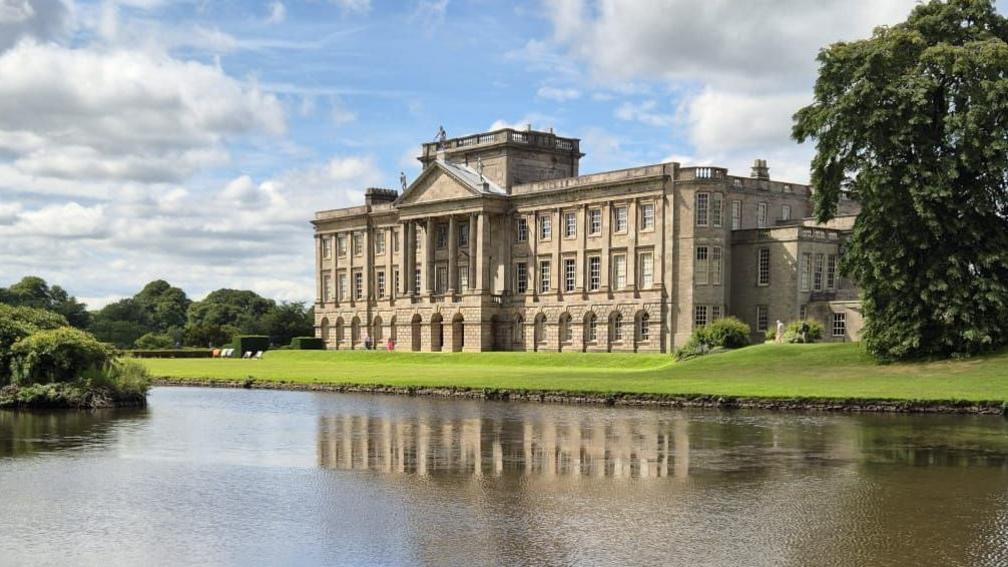
There is so much to see, and we are blessed with history all around us, stretching back thousands of years. Visitors may already have encountered some of our historic houses through films and television. From Lyme Park, whose house and lake featured in the 1995 Pride and Prejudice television series to Lacock Abbey, which appeared in the Harry Potter films.
“Colin Firth’s wet shirt” actually changed the fortunes of this beautiful house
Basildon Park, Osterley Park, Claydon House, Ham House and Stowe Gardens have also featured in Bridgerton. All these places are among the properties cared for by the National Trust.
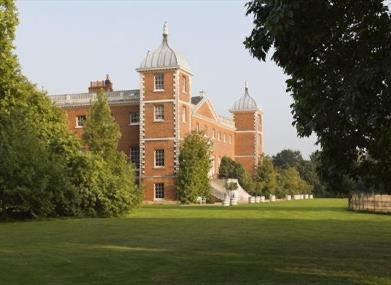
Osterley Park in Isleworth on the outskirts of West London
The Trust looks after an extraordinary collection of historic houses, gardens, landscapes and stretches of coastline. So, whether you’re planning a visit to Britain from overseas or live here and fancy exploring a little more of the countryside, it’s well worth learning about this fantastic organisation and how it works.
You could save yourself quite a lot of money if you plan to visit several properties during the year.
The Origins of the National Trust
The story of the National Trust is a fascinating part of British history. It began with a simple but powerful idea: the countryside, beautiful landscapes and historic buildings should not belong solely to the wealthy. They should be protected for everyone, including generations yet to come.
After all, it’s everyone’s history, not just the history of a privileged few.
The National Trust was founded in 1895, during the Victorian era, when industrialisation was transforming Britain. What began as a campaign to protect threatened landscapes and historic places has grown into one of the country’s best-known conservation charities.
Let’s climb aboard our Time Machine and travel back to England in the late 1800s!
England in the Victorian Era
The Industrial Revolution is all around us, bringing enormous changes. Factories, railways, mining and expanding towns are transforming the landscape. Open spaces are disappearing, historic buildings are threatened by neglect or development, and beautiful countryside is at risk from quarrying and industrial expansion.
Meanwhile, many ordinary people live in crowded, polluted towns with little access to gardens, parks or open countryside. A growing number of campaigners believe that access to nature is not simply a luxury for the wealthy. It is essential to people’s health, happiness and quality of life.
Does any of this sound familiar?
Here we are, more than a century later, still debating how much of our countryside should be given over to development and housing. The phrase England’s green and pleasant land seems particularly relevant today.
Three people became especially important in turning these Victorian concerns into action: Octavia Hill, Sir Robert Hunter and Canon Hardwicke Rawnsley.
Octavia Hill (1838 – 1912)
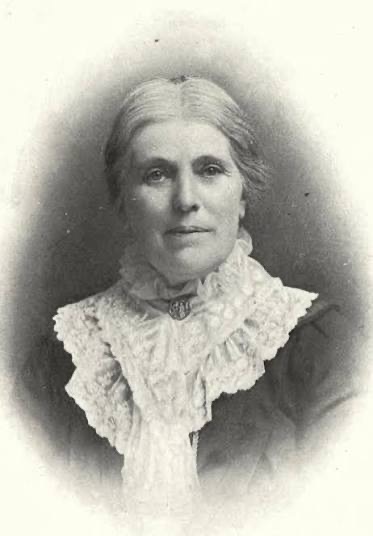
Octavia Hill
Octavia Hill was a remarkable Victorian woman who devoted her life to improving the living conditions of poorer people. She worked on housing reform and believed that access to green spaces, fresh air and beauty was essential to human wellbeing.
She was particularly concerned that ordinary Londoners should have somewhere peaceful to escape the pressures of crowded city life.
In 1884, she was involved in efforts to preserve the garden at Sayes Court in south-east London. This experience helped inspire the idea of a national organisation dedicated to protecting places for public benefit.
Sir Robert Hunter
Sir Robert Hunter was a solicitor who worked to protect common land and public open spaces. He understood that campaigning alone was not enough. There needed to be a legal way to acquire land and buildings and safeguard them for the future.
His legal expertise helped establish the organisation’s structure and was crucial in turning the idea of the National Trust into a practical reality, rather than simply another pressure group.
Canon Hardwicke Rawnsley
Canon Hardwicke Rawnsley was a clergyman living in the Lake District who became increasingly alarmed by proposals for quarrying, railways and other developments that threatened the landscape.
He campaigned energetically to protect the Lakes and helped establish the Lake District Defence Society in 1883. His experience showed how easily beautiful places could be damaged unless people organised themselves to defend them.
What makes the partnership between these three founders so interesting is that they brought different strengths to the same cause: Hill’s concern for people, Hunter’s legal knowledge and Rawnsley’s passion for the natural landscape. Together, they helped turn a shared belief into an organisation that could protect places for the benefit of the nation.
The National Trust was formally established on 12 January 1895 under its original, much longer name: the National Trust for Places of Historic Interest or Natural Beauty.
The principle was revolutionary for its time. Instead of relying entirely on private owners to look after important places, the Trust could acquire land and buildings and protect them for the public and the future.
Realising Their Beliefs
The Trust’s earliest milestones are particularly interesting because they demonstrate that protecting Britain’s heritage was never intended to be solely about grand country houses.
Dinas Oleu, Wales — 1895
The Trust’s first property was five acres of clifftop land at Dinas Oleu, overlooking Cardigan Bay. The land was given by Fanny Talbot shortly after the organisation was founded. It was a piece of landscape rather than a magnificent country house that marked the beginning of the Trust’s work.
Alfriston Clergy House, Sussex — 1896
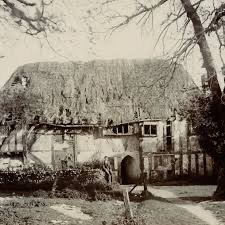
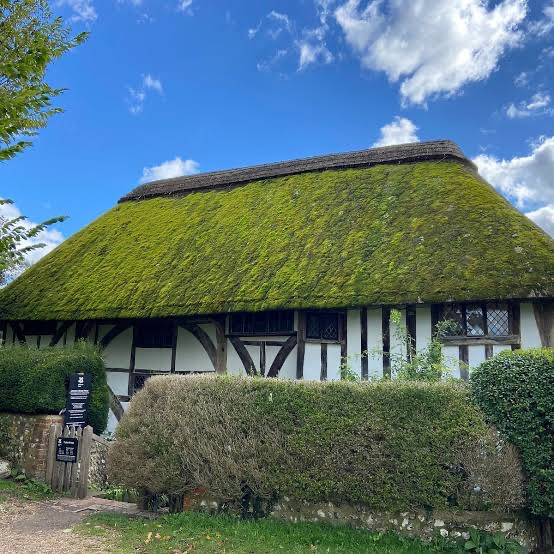
The following year, the Trust acquired Alfriston Clergy House for just £10. This modest medieval thatched house became its first building, demonstrating that humble historic buildings deserved protection just as much as grand mansions.
Alfriston House as it was when the NT took it over and looking at it today.
Wicken Fen, Cambridgeshire — 1899
The purchase of two acres at Wicken Fen marked another important milestone: the Trust’s first nature reserve. It was an early indication that protecting wildlife and natural habitats would be just as important as preserving historic buildings.
From these small beginnings, the founders started to create the organisation they had envisaged. Over time, the Trust grew through public appeals, donations and gifts from people who wanted to save a particular place. This was important because it demonstrated that protecting the countryside was becoming a shared responsibility rather than something left solely to wealthy landowners. In 1907, Parliament passed the first National Trust Act, giving the organisation important legal powers to protect certain properties permanently.
Two World Wars followed, bringing Britain into a new era. Some owners of large country houses could no longer afford to maintain them, and many historic estates faced an uncertain future. The National Trust received properties through gifts, bequests and arrangements involving the National Land Fund, established in 1946 to help preserve important buildings and works of art for the nation.
Without these efforts, some of the historic houses we enjoy visiting today might have had very different futures.
The National Trust Today
Fast-forward to the present day, and the scale of the National Trust’s work is remarkable.
It cares for more than 500 historic properties, gardens and nature reserves, alongside extensive areas of countryside and coastline across England, Wales and Northern Ireland.
According to the Trust’s published information, its work includes:
- More than 500 historic properties, gardens and nature reserves.
- Approximately 250,000 hectares of land — around 618,000 acres.
- Around 890 miles of coastline.
These figures give us some idea of the enormous responsibility involved in preserving Britain’s heritage and natural environment. It’s also worth remembering that the National Trust doesn’t necessarily own every place in its care. Some properties are managed through leases, agreements and other arrangements.
Looking after these places involves much more than opening the doors to visitors. Buildings need maintaining, gardens need tending, wildlife habitats need protecting and landscapes need managing. There is also the important work of conserving collections, researching history and helping future generations understand the places around them.
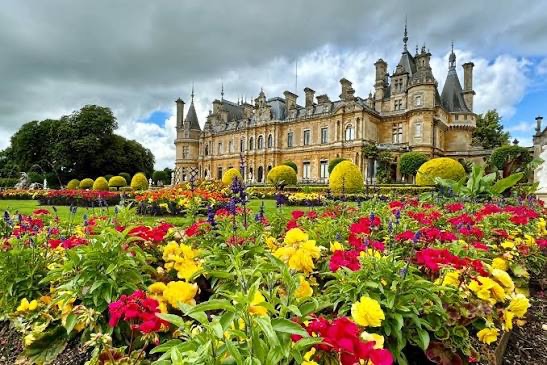
Waddesdon Manor in Buckinghamshire, England is owned by the National Trust but managed by the Rothschild Foundation on its behalf.
National Trust Membership
Although the Trust was established in Victorian England, its membership grew gradually. In 1981, it reached one million members — a remarkable milestone that reflected how preserving Britain’s heritage had become part of everyday life.
By the end of its 2024–25 financial year, the Trust had grown to 5.35 million individual members. Its current website reports more than 5.38 million.
People can choose from different membership options, including individual, joint and family memberships, with current prices available on the National Trust website.
I’ve known friends who have bought annual membership for relatives as Christmas presents or for special birthdays. It’s a lovely gift for anyone who enjoys exploring historic houses, gardens and the countryside. Membership can also offer excellent value for money. Free parking is available at most National Trust car parks, which can save you several pounds on each outing. If you visit a number of properties during the year, the savings can soon add up.

My husband’s U3A photography group visits local houses and gardens on a monthly basis. For people who enjoy photography, gardening or simply getting outdoors, there is always something different to discover. Many members also return to the same properties throughout the year to watch the foliage change colour, see spring flowers appear or enjoy the different atmosphere each season brings.
And what about the dogs? The National Trust welcomes dogs at many of its places, although access varies between properties and gardens. For dog owners, a membership can provide plenty of opportunities for countryside walks and fresh air. *It’s always worth checking the individual property’s dog policy before setting off.
After all, who wouldn’t enjoy taking the dog through woodland that might once have been hunted by Henry VIII?
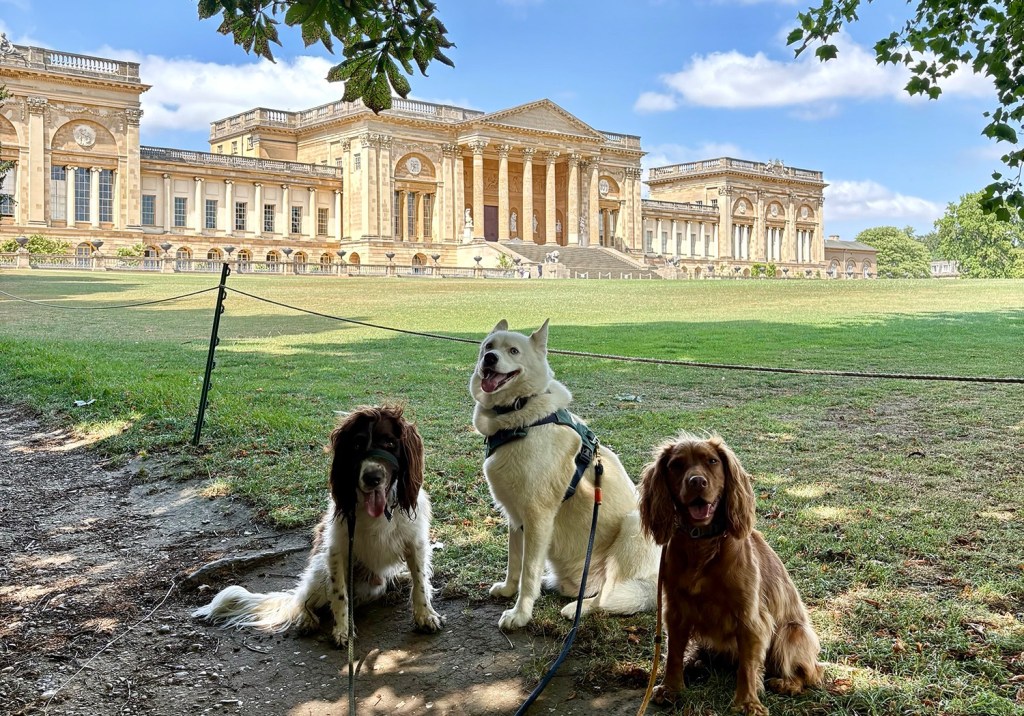
Dogs taking a rest at Stowe Gardens in Buckinghamshire
Final Thoughts
The National Trust is so much more than a collection of old houses. It represents a belief that our history, landscapes and natural beauty belong to everyone and deserve to be protected for generations to come. I find it reassuring that an idea developed by three people in Victorian Britain has grown into an organisation supported by millions.
Whether you’re wandering through a magnificent stately home, discovering a tiny medieval cottage, admiring a carefully tended garden or walking along a windswept stretch of coastline, you’re experiencing a little piece of the story that makes Britain what it is today.
And the best part? There are still so many places for us to discover.
Our recent trip to Somerset was a reminder that you don’t always need to travel far to find somewhere fascinating. Despite the weather doing its best to disrupt our plans, we still managed to enjoy our weekend and explore two wonderful historic properties.
In my next post, I’ll be taking you to Tyntesfield, a magnificent Victorian Gothic Revival house near Bristol, where we’ll discover more about its history and what makes it such a special place to visit.
Have you visited any National Trust properties? Perhaps you have a favourite house, garden or landscape that you return to time and again. I’d love to hear your recommendations in the comments.
Until next time, happy exploring!

