It is the Saturday at the end of our third week and I have woken up feeling sad. Our time here in Antigua is slipping away. We have only a week left and I’m not looking forward to going home to England.
Living here for a month has just been a “taster”, it’s really not long enough to make a proper assessment and maybe that analysis cannot be fully completed until we return to the UK and see how we feel then.
Can you actually replicate your life in the UK somewhere else?
There is no doubt that we have succeeded in actually living our life here which answers one of the questions which I wrote in my initial post. We haven’t treated it like a holiday or even a travelling adventure. We have woken up every morning and lived a fairly normal life.
Can I live like a local and not like a tourist or traveller?
We have found our bodies adapting to the regular sunrise and sunset. Due to it’s location Antigua does not experience the same seasonal changes we do in the UK when in the Winter, for example, sunset can be as early as 4.00 p.m. and in the Summer as late as 9.30-10 p.m. Here there is only about a 1 hour difference between the two seasons.
As a consequence we have found ourselves going to sleep by 10.30 pm each night and waking up around 5.30-6.30 a.m. The consistency is nice but I miss the light nights back home.
We have managed to cook every day except on the days that we have gone for a day out at the beach.
Groceries are more expensive, I wrote about this back in February , but proteins such as chicken, pork, beef, fish, shellfish and eggs aren’t vastly different in price to the UK.
Interestingly the chicken we roasted in the oven here reminded me of my childhood when it came straight from my Dad’s farm. It tasted so different.
I’m not sure whether it was because it was locally sourced or the way it was raised but it reminded me that the food we buy in the supermarkets back home isn’t always naturally grown.
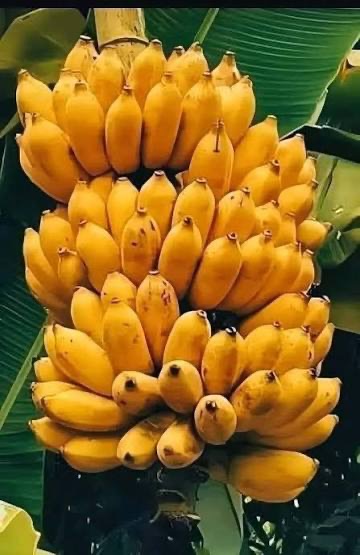
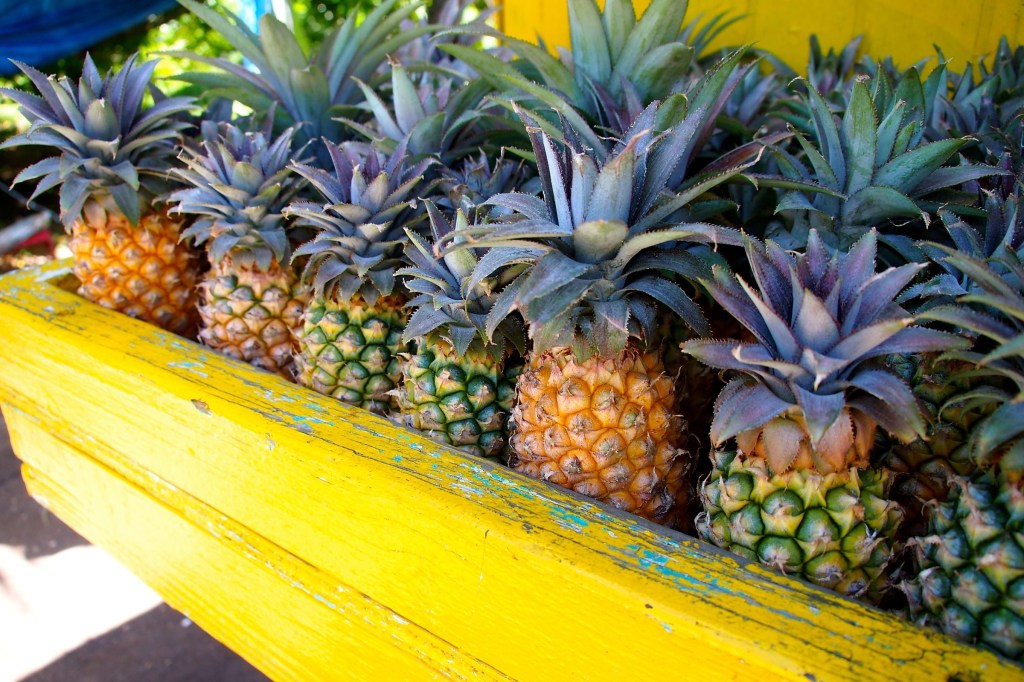
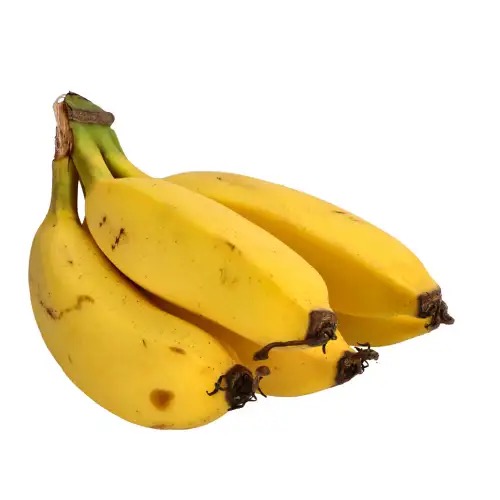
Fruit also tastes different, everything is larger and sweeter, maybe because it’s had more sunshine! Who knew there are four varieties of mango or that you could get tiny finger bananas. We ate these as snacks, they are firmer and sweeter than a normal banana. We won’t forget the black pineapples here in Antigua either!
I will definitely miss the more natural flavours when I get home.
Washing the dishes here is in the sink, there is no dishwasher but I could, honestly, adapt to this change.
Washing clothes has been more difficult in that we don’t have a washing machine.
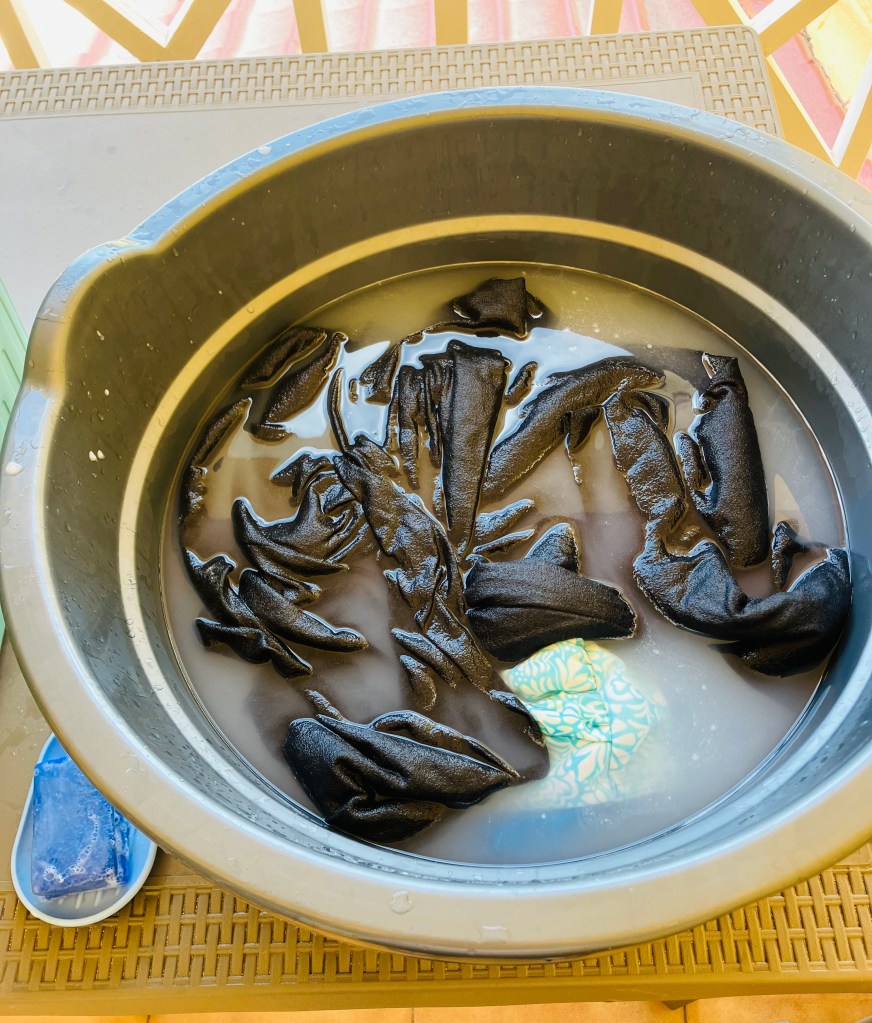
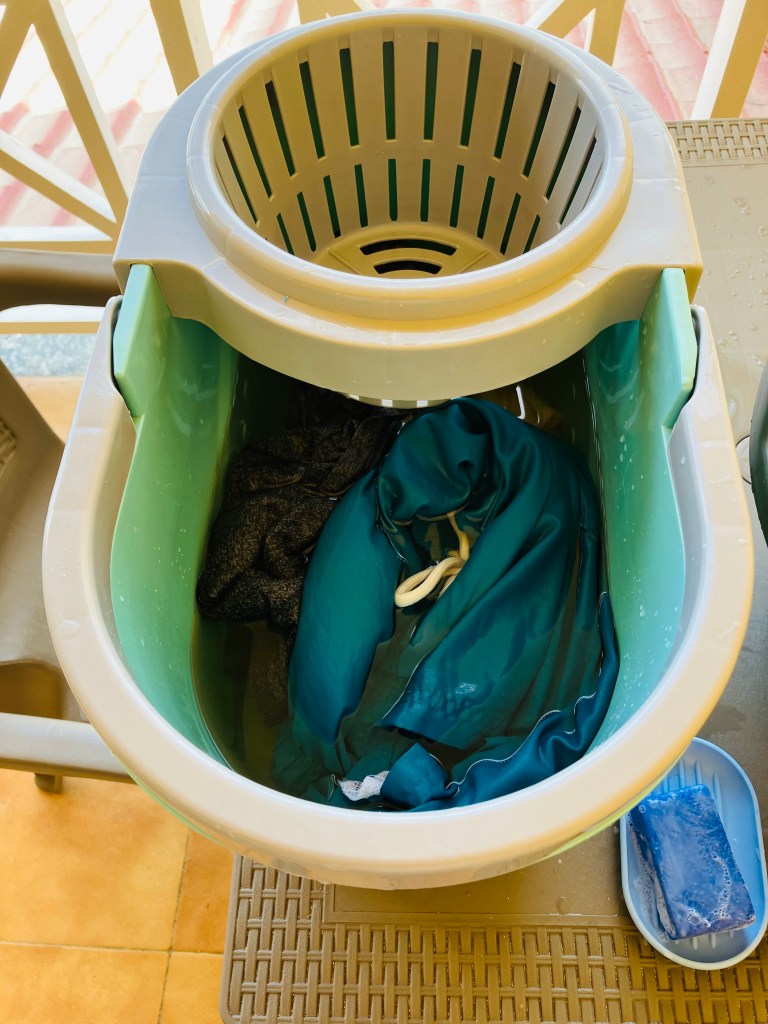
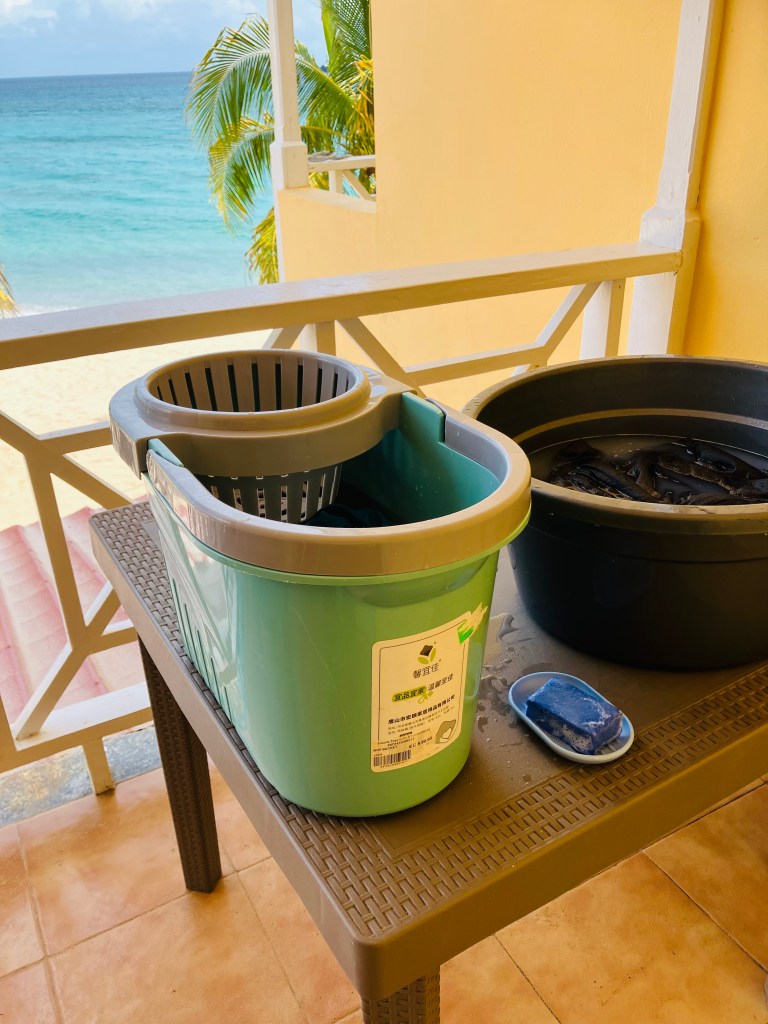
I’ve set up my own mini process where I soak about a dozen items in a large bucket of hot water with some washing up liquid and then wash everything by hand using a bar of Jamaican Blue Laundry Cake Soap. My ex mother-in-law introduced me to this product and I’ve used it many times on our travels.
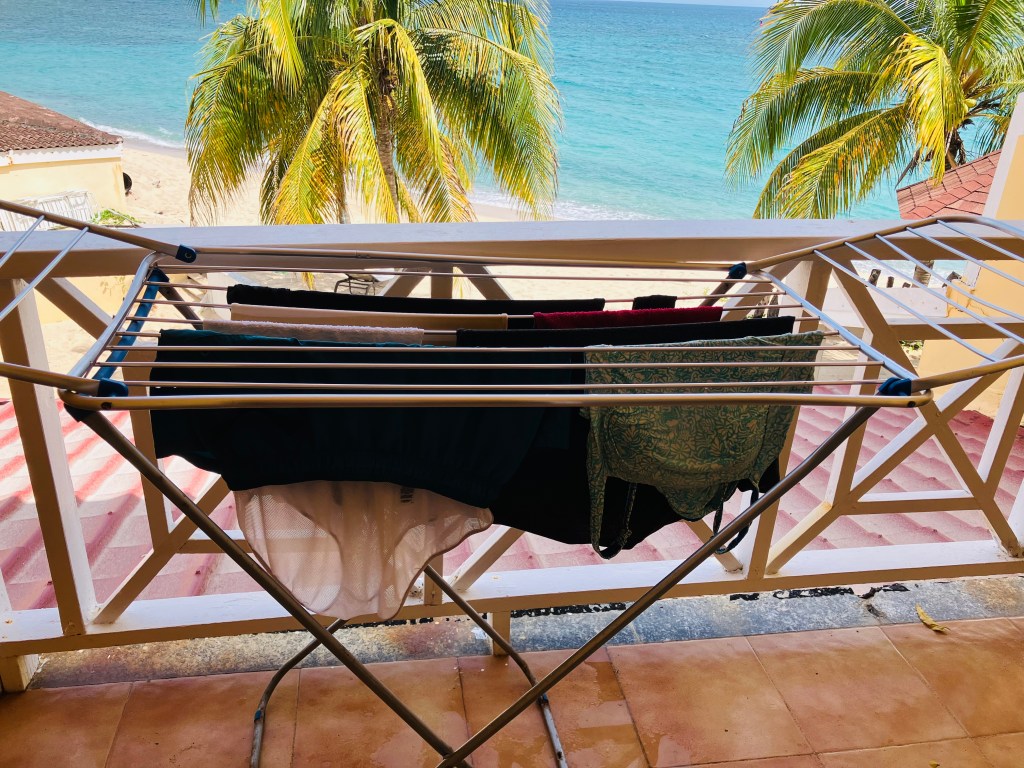
The clothes are then wrung out and dunked and rinsed in another bucket of cold water before being put on a clothes dryer on the upstairs balcony. It’s a bit of a tedious procedure but everything has come out clean and fresh.
The Weather:
It is the shoulder season so we arrived as the seasons were beginning to change, and we’ve already had a couple of those dramatic Caribbean downpours. The sort of rain where the sky opens and suddenly you can barely see the beach except for the palm trees swaying with the winds.
Surprisingly, I didn’t mind this, being tucked inside our little duplex, cooking, reading and just carrying on with normal life made me realise that rain feels very different when you aren’t rushing through it.
We have missed one of the hottest periods in the UK on historical record but I’m not sure that I care.
The day the house started shaking
I have to admit that researching earthquakes in advance of our stay wasn’t on my agenda.
However on Saturday, at approximately 10:50 a.m. local time, as I was chatting on FaceTime to my daughter back in the UK the room started to shake. I immediately ended my call and shouted to my husband who was upstairs in the shower.
I had no idea what was happening. It didn’t last long but it was like an express train had torn past the duplex wall at 200 mph shaking everything in its wake.
Research on the internet showed that roughly 60 miles northeast of St John’s, the capital of Antigua, at a depth of about 20 miles an earthquake measuring 6.5 on the Richter scale had occurred.
Whilst we were perfectly fine and no structural damage occurred, the strong shaking caused inventory to fall from supermarket shelves across the island.
Unbeknownst to us Antigua experiences regular seismic activity. The twin-island nation is located in one of the most seismically active zones in the Atlantic region, situated near the boundary of the Caribbean and North American tectonic plates.
Hurricanes:
The island is, also, in the hurricane belt but the last major hurricane to hit Antigua was Hurricane Luis in 1995. Both Irma and Maria in 2017 brought tropical storm-force winds and heavy rain but avoided a direct major landfall.
I posed the question before arriving here “maybe if I live somewhere that’s warm all year around, life will feel better?
The short answer to this is YES it does feel better. Despite earthquakes and hurricanes I seriously don’t think if we lived here full time that I would miss the wind, rain and occasional snow we experience in the UK.
There is a sort of comfort that knowing it is going to be mainly sunny brings.
Hobbies:
When we were exploring the idea of moving from the West of England to West Wales back in 2019/2020 one of the key reasons we remained where we were was our hobbies.
I like to visit the local leisure centre to do pilates and aqua aerobics classes. I’m a member of a local Slimming World Group, also a member of my local Parish Council and have friends who live in the area who I see regularly. It would be very hard to leave all this behind although Antigua would deliver a slower pace of life and I have more than filled my time here and have never been bored.
The animals who seem to own the island
Antigua has a menagerie of animals and I do think it’s worth mentioning this.
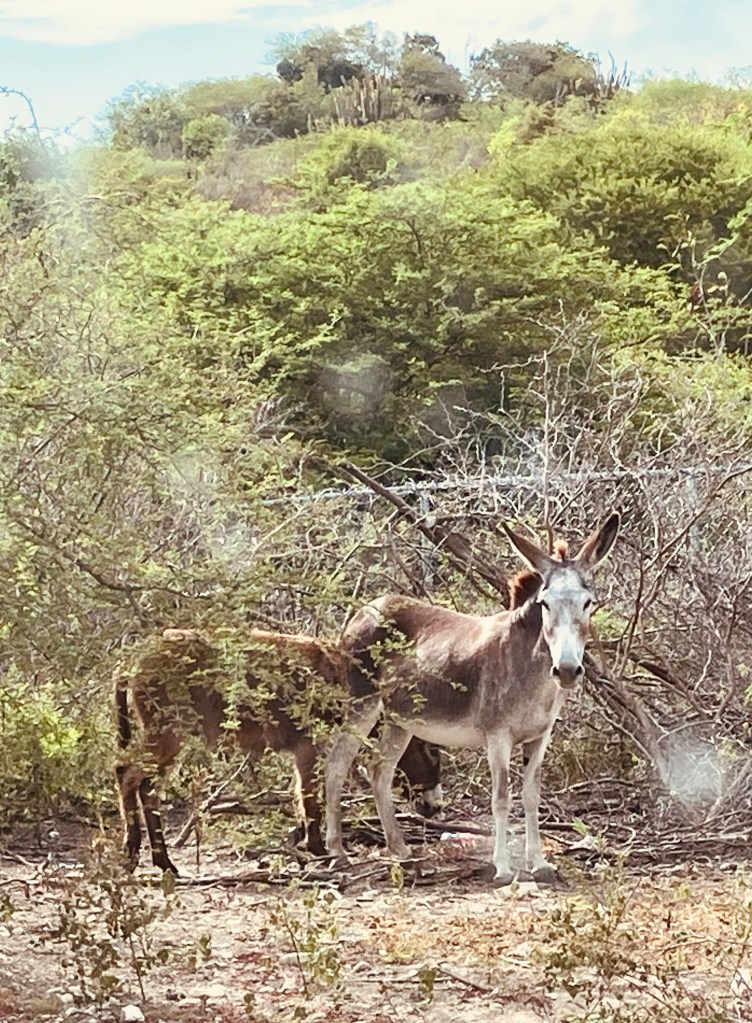
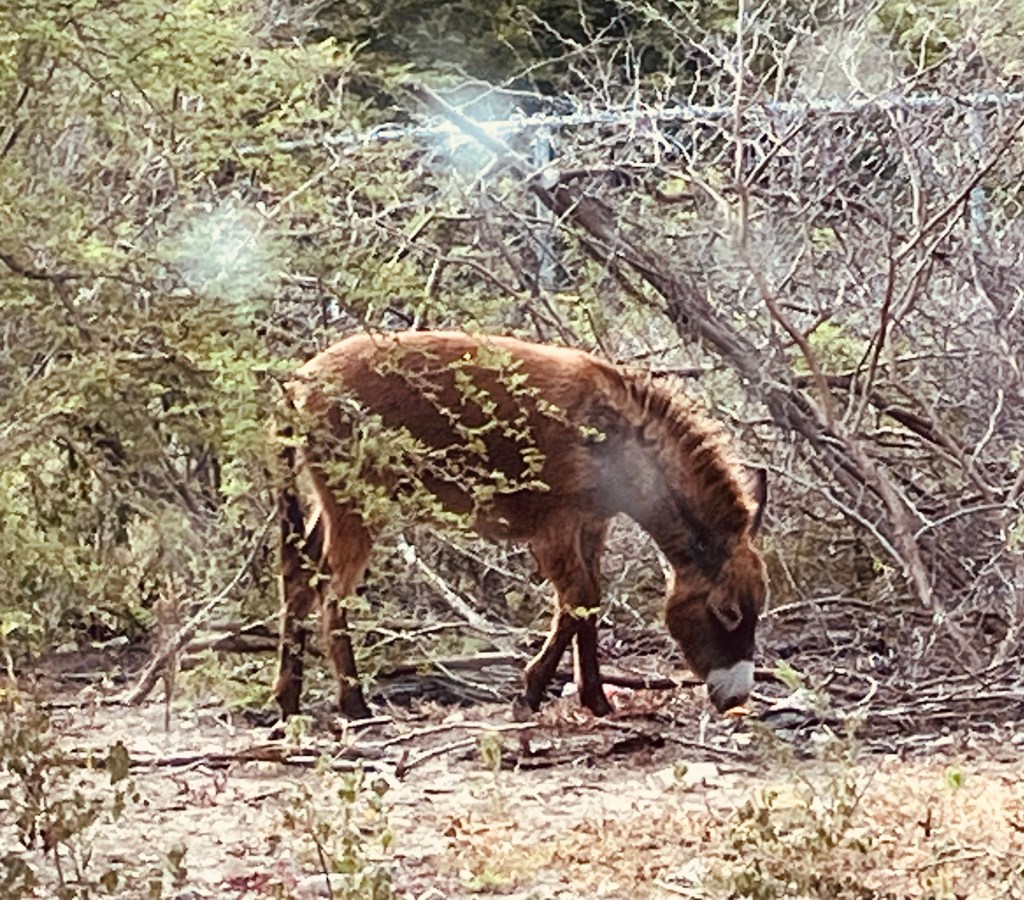
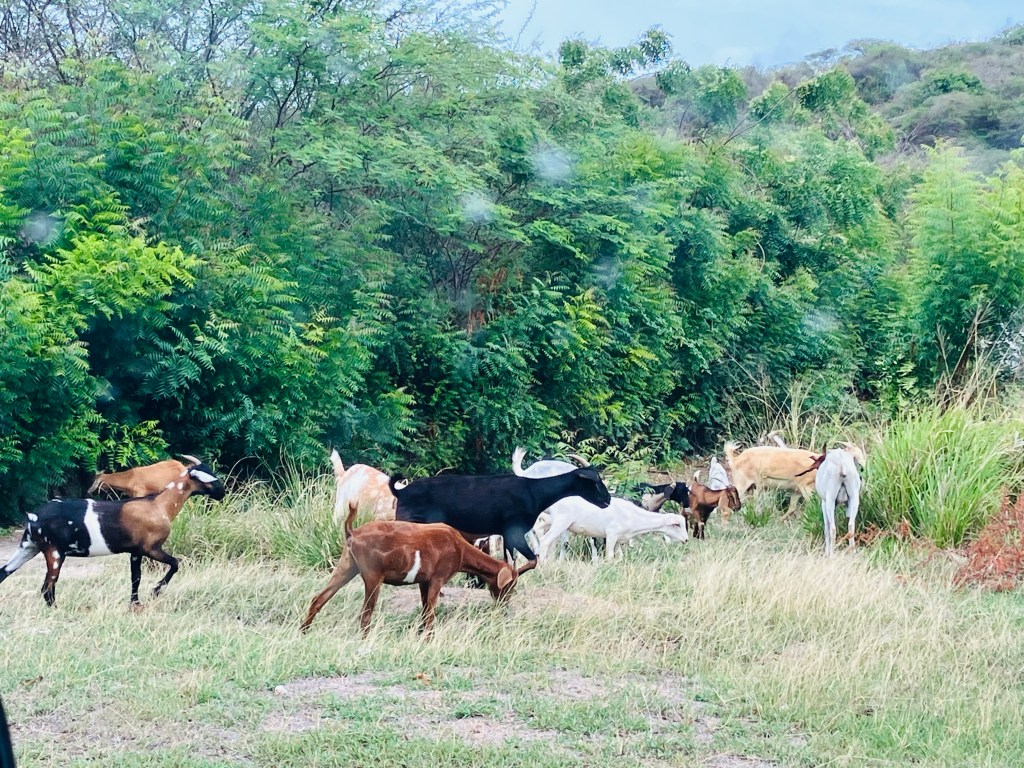
During our stay in February and again this month we have seen herds of goats wandering at will in the more country areas of the island. We even spotted this mother donkey with her baby fairly close to the road we were driving on.
The mongoose is very prevalent here. There wasn’t a day that went by when one or more of these invasive species didn’t wander across our patio.
Mongooses were deliberately introduced to Antigua in the late 19th century by European colonists in a failed biocontrol attempt to eradicate invasive ship rats that were destroying the lucrative sugarcane crops. The introduction went terribly wrong, creating an ecological imbalance that allowed the mongoose to thrive uncontrollably.
Once introduced, the mongoose faced zero natural predators on the island, allowing them to breed rapidly and dominate the landscape.
Chickens are far less noticeable here than on other Caribbean islands we have visited. This is also unfortunately due to the levels of mongoose who happily eat the chicken’s eggs, hatchlings and even adult birds.
Whilst we did see some hen coops in the countryside we didn’t see any in the main towns or in St Johns. This is mainly down to the fact that chickens are a food source and, therefore, catching a chicken that doesn’t belong to you and eating it isn’t unusual.
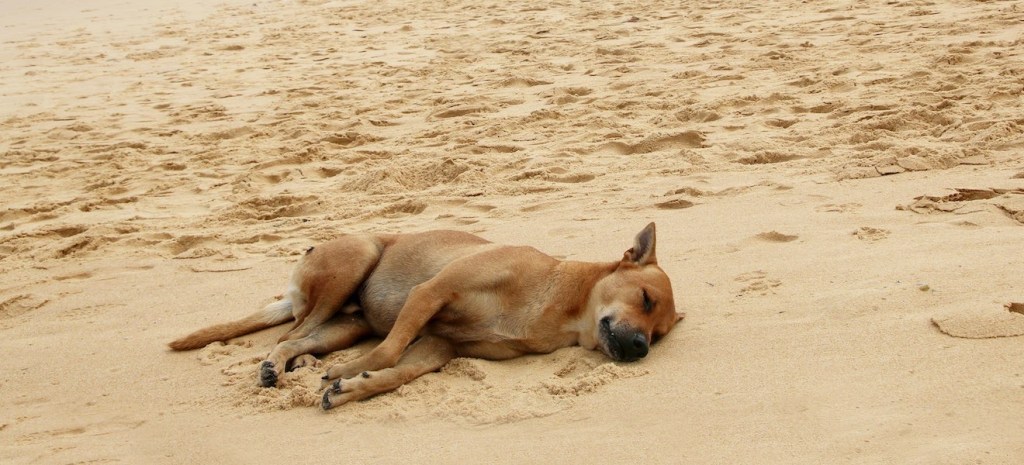
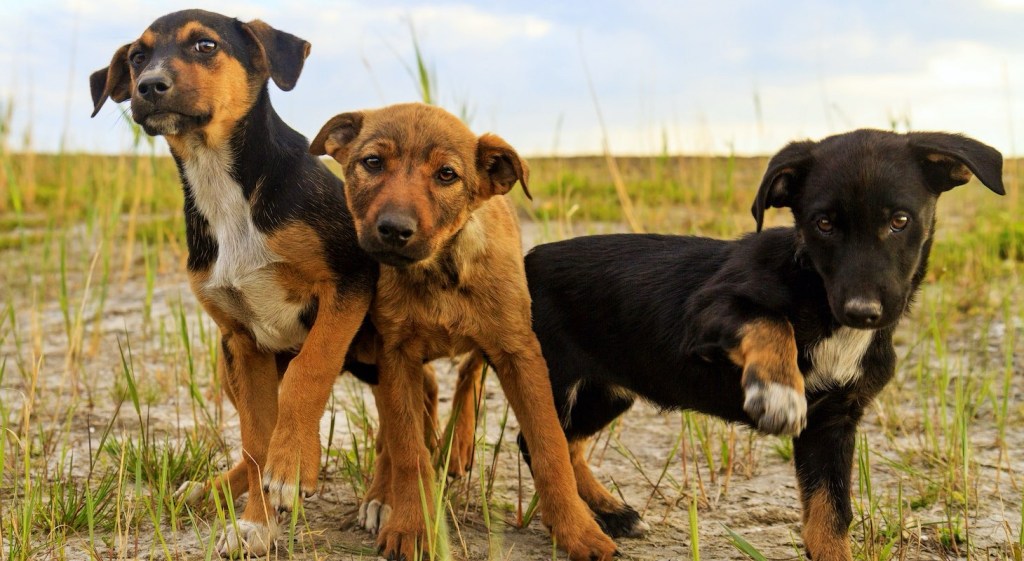
Whilst we saw very few cats on the island, dogs are very prevalent. They pretty much wander freely, primarily due to a severe pet overpopulation crisis driven by a historical lack of widespread spay and neuter programs.
Additionally, many dogs belong to owners who allow them to roam during the day, or are “community dogs” cared for by neighbourhoods and local congregations rather than kept indoors. Whilst we did not experience any issues with the street dogs not all of them look particularly healthy or well fed so this is definitely a consideration if you are visiting the island or thinking about making the island your permanent home.
Culture:
Antigua is a culturally conservative society.
All 365 beaches in Antigua are public, but they are not clothing-optional. Wearing standard swimwear is the legal and cultural norm across the island. It is expected that all individuals, including children should wear appropriate swimwear when visiting the island’s shores.
It is also important to note that wearing beachwear in public streets, shops, or restaurants is illegal; cover-ups should always be worn when away from the sand.
You must also refrain from overly overt displays of public affection.
Finally it is also strictly illegal for any person to wear camouflage print clothing or accessories in Antigua. This law is strictly enforced, so you have to ensure that no clothing or swimwear includes these patterns
Is there an alternative to living in the UK? I worked hard for my retirement and now I just want a Simple Life
The quick and easy answer to this is YES!
Antigua offers a very simple way of life. The locals may not have the material possessions so sought after in the UK but they seem happy with their lot.
You don’t see children, for example, walking down the road with their nose stuck in a mobile phone. You see children playing football and cricket, playing on the sand or in the sea or just creating their own fun.
Antiguan people appear not to be interested in worldwide politics and, therefore, no one talks about it but people are still sociable. I can, also, hide from the news here because to be frank I’m not really bothered about what is going on beyond these shores and the Caribbean Sea!
The adults don’t seem to look at their phones either and, therefore the news isn’t so omnipresent. Materialism isn’t front and centre and life is not so commercially driven.
Very little affects their lives. It’s a simple life because aspiration isn’t so high.
I think the main question we are left with is could we come back for the full 90 days currently allowed as a visitor? Or could we spread our lives flitting between two different countries?
Also within this is the additional question “Is the positive where we are staying and if we had to live inland would we be so happy?
The quick and easy answer to this is staying for 3 months would be a gift.
Staying inland, however, would not be for us. Ideally we would love to return to the same apartment complex but alternatively we have sought out other rental properties whilst on the island that are also near the sea or directly on a beach.
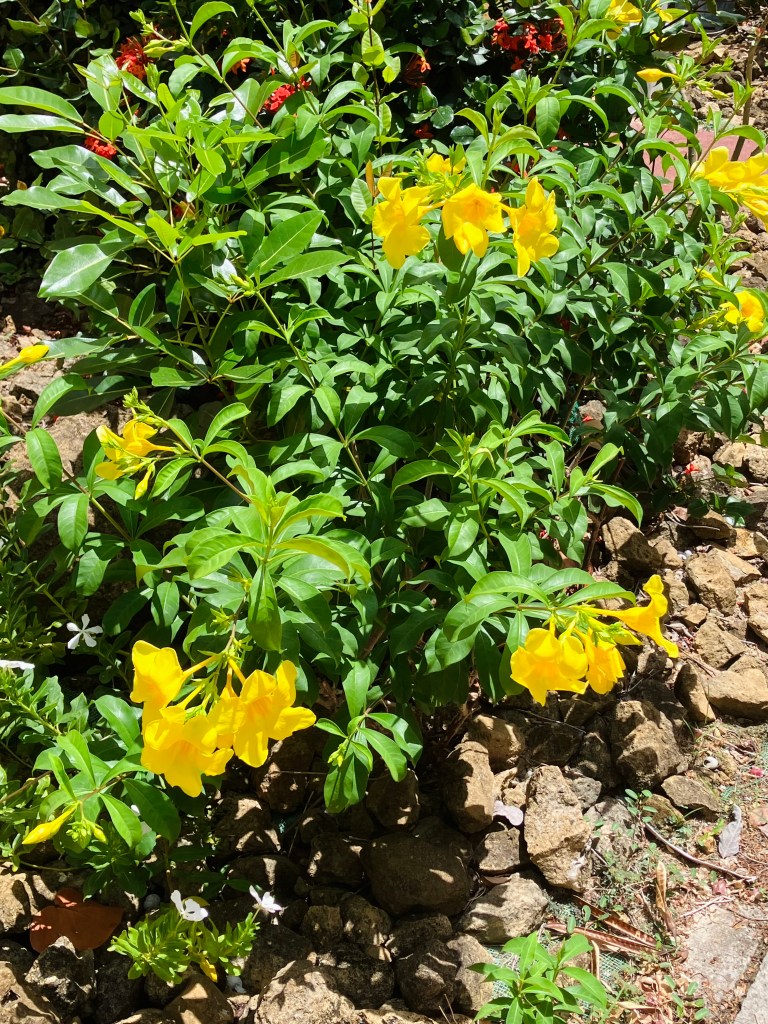
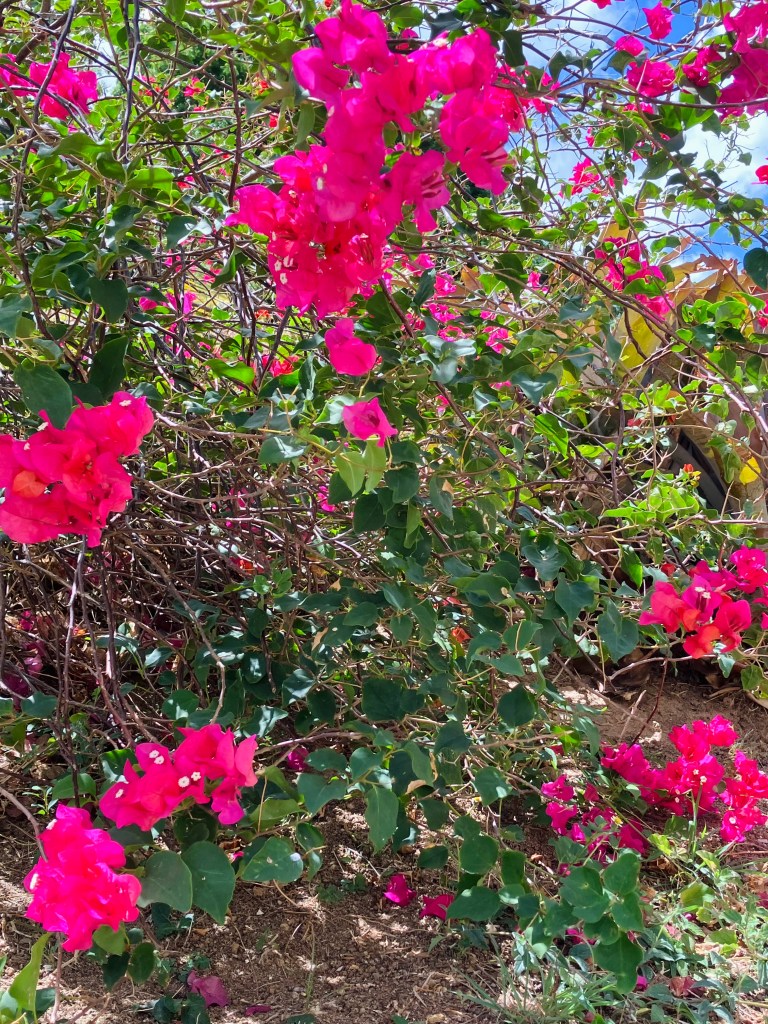
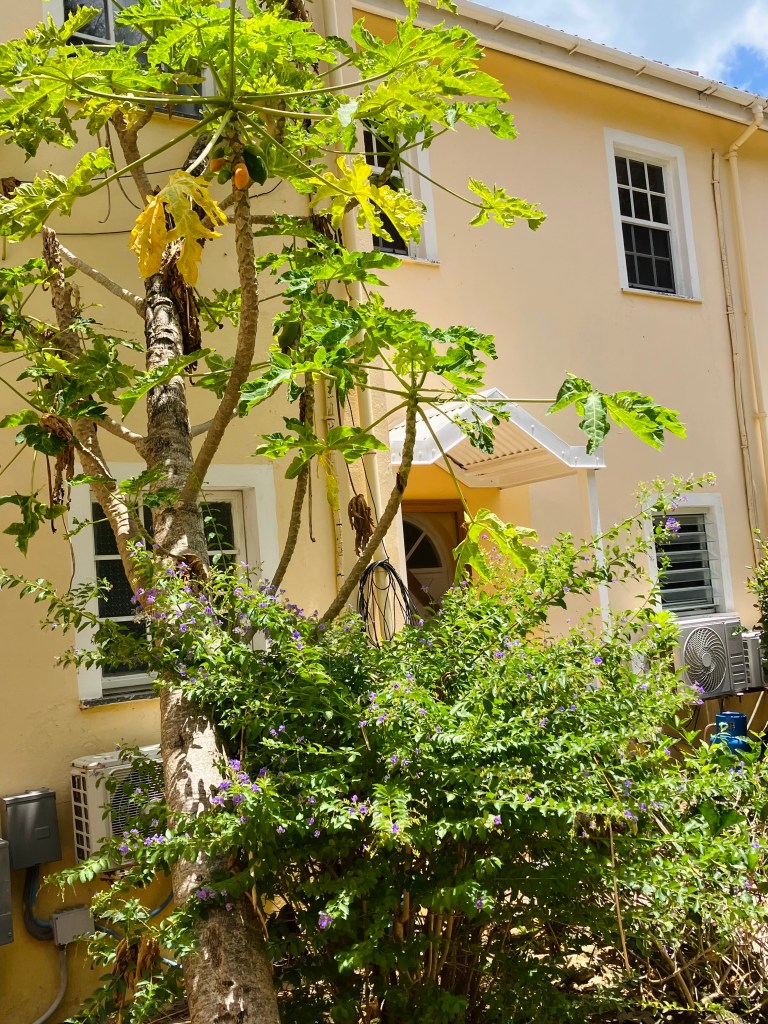
This was our home in Antigua with beautiful flowers outside the front door shown in two of my previous photos on this post
Final Thoughts
A month isn’t long enough to decide whether Antigua could ever become home, but it has been long enough to change the way I think about home. We’ve discovered that it’s possible to swap routines without losing ourselves, to live more simply without feeling as though we’re missing out, and to appreciate experiences far more than possessions.
Perhaps the biggest lesson isn’t whether we’ll return to Antigua for three months—or even one day live somewhere warmer—but that a slower, happier life isn’t entirely dependent on where you are. It’s about choosing what matters, letting go of what doesn’t, and making time for the people, places and moments that bring genuine contentment.
Whether this month turns out to be the beginning of a new chapter or simply a wonderful chapter on its own, it’s one I’ll look back on with enormous gratitude
If you’ve enjoyed following our Antigua adventure, I’d love to hear your thoughts. Have you ever considered taking an extended stay somewhere new, or has a place you’ve visited changed your perspective on home?
Leave a comment below and join the conversation. And if you’d like to follow along with our future travels and adventures, don’t forget to like this post and subscribe so you never miss the next chapter.
 A Midlife Adventure
A lovely wrap-up to your time in Antigua! Sounds like living there for a month has been simpler and more slow-paced compared to life in the UK. It’s living abroad for an extended amount of time that it makes you rethink, even reconsider, life back at home. While it’s not guaranteed that you’d continue to live in Antigua (or abroad, elsewhere), perhaps the habits you had there can be brought back to the UK to live a more-fulfilling life, if that makes sense. Thanks for sharing!
LikeLike
Thank you Rebecca. Actually a few more weeks into life back in the UK that is exactly what I’m trying to do – transport the ideology of the Antiguan people into my life here. It’s going to take a few changes and even some sacrifices but hopefully will be worth it in the end 😊
LikeLike
I love that you’ve been able to embrace living there as a local and try to indulge in their culture, lifestyle etc. I think that’s the best way to experience any place you visit and now you know that it’s possible to make changes to your routine and still have a great time.
LikeLike
Thank you 🙏
We are still reflecting upon the “ simplicity of life” there and encompassing change into our life here at home to reduce stress and enjoy new found freedom
LikeLiked by 1 person
I’m glad to hear that, I hope you’re able to live a more simple life at home too. You’re most welcome.
LikeLike