Waking up on day two of our trip we were met with torrential rain. The sort of rain that when you are away you just want to hunker down inside with a good book, some snacks and a hot cup of tea and not venture out. Our plans, therefore, to explore the other waterfalls went on hold.
I already had a plan for day three of our trip because it was my husband’s birthday. When I asked him several months ago what he wanted to do on his birthday and, not being one to celebrate his birthday until he met me, he said “I’d like to eat fish and chips on the seafront somewhere”. So I waved my magic wand and we set off for Swansea.
The A465:
It’s worth mentioning that the majority of our 45 minute drive was down the A465, known as the Heads of the Valleys Road. Once an existing historic trunk road, its entire 28-mile South Wales stretch was fully modernised and reopened as a brand-new dual carriageway in May 2025 following a massive 23-year upgrade project.
Starting in 2002, the project involved an investment of around £2 billion, with more than 40 bridges and 12 new junctions added to improve safety and connectivity between West Wales and the Midlands.
The road passes through the steep and visually dramatic Clydach Gorge, surrounded by national park land, as well as forested hillsides, green valleys and dramatic elevated sections that are particularly beautiful at dawn and again at sunset
Swansea -The City:
As previously explained in my Introduction to Wales, Swansea is the second-largest city in Wales and has a reputation for combining city life with some of the country’s most beautiful coastline.
With a population of around a quarter of a million, it sits on the beautiful sweep of Swansea Bay, with a long history stretching back to the medieval period.
The city’s fortunes really grew during the Industrial Revolution, when coal, copper and other industries transformed Swansea into a major centre of industry and earned it the nickname “Copperopolis.” Much of that industrial heritage has now disappeared, but reminders of the city’s past can still be found alongside a rather more modern and relaxed waterfront.
Today, Swansea is a lively university city with a mix of history, culture, beaches and plenty of places to eat and explore.
Swansea Marina and Maritime Quarter:
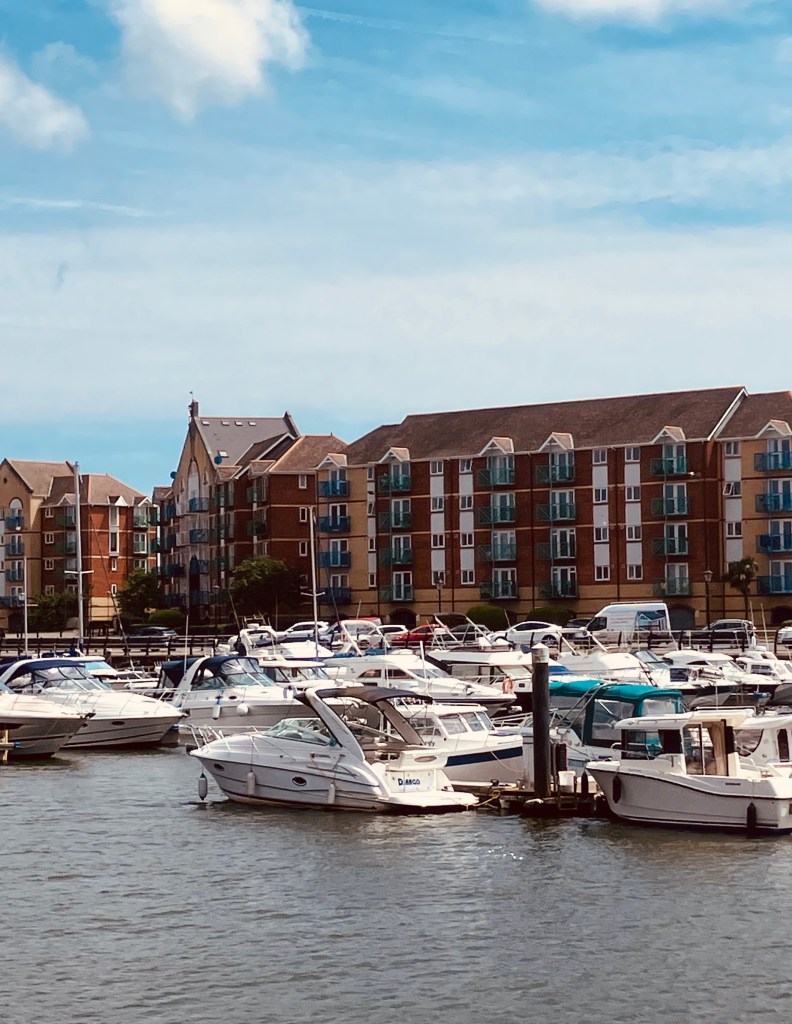
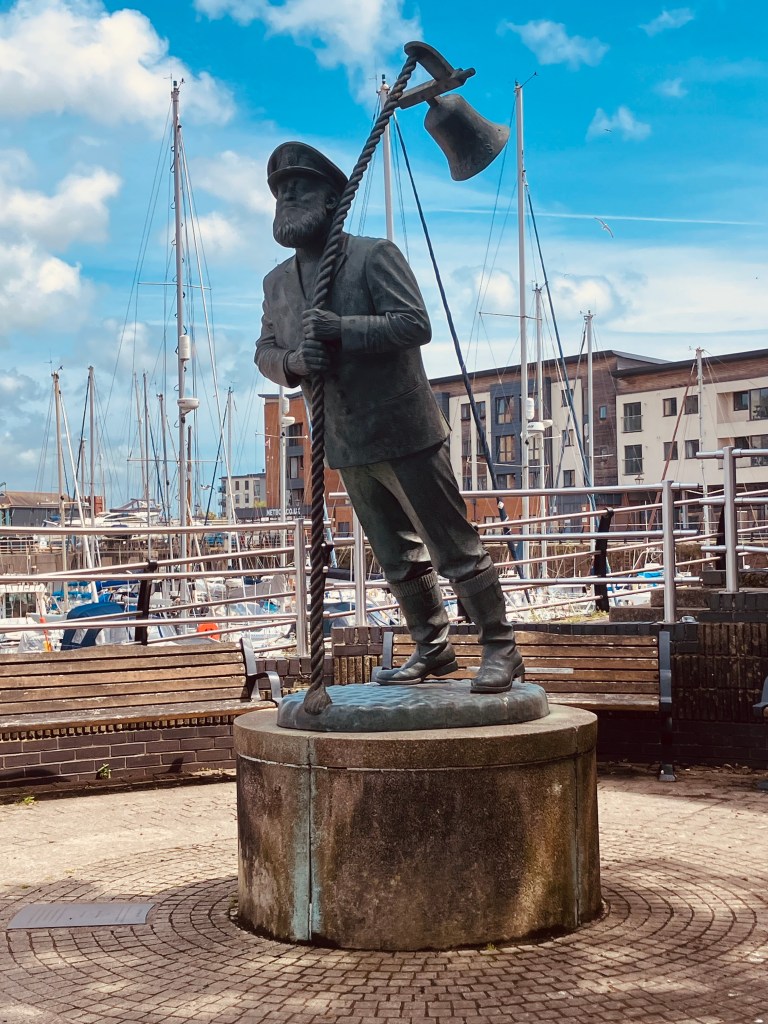
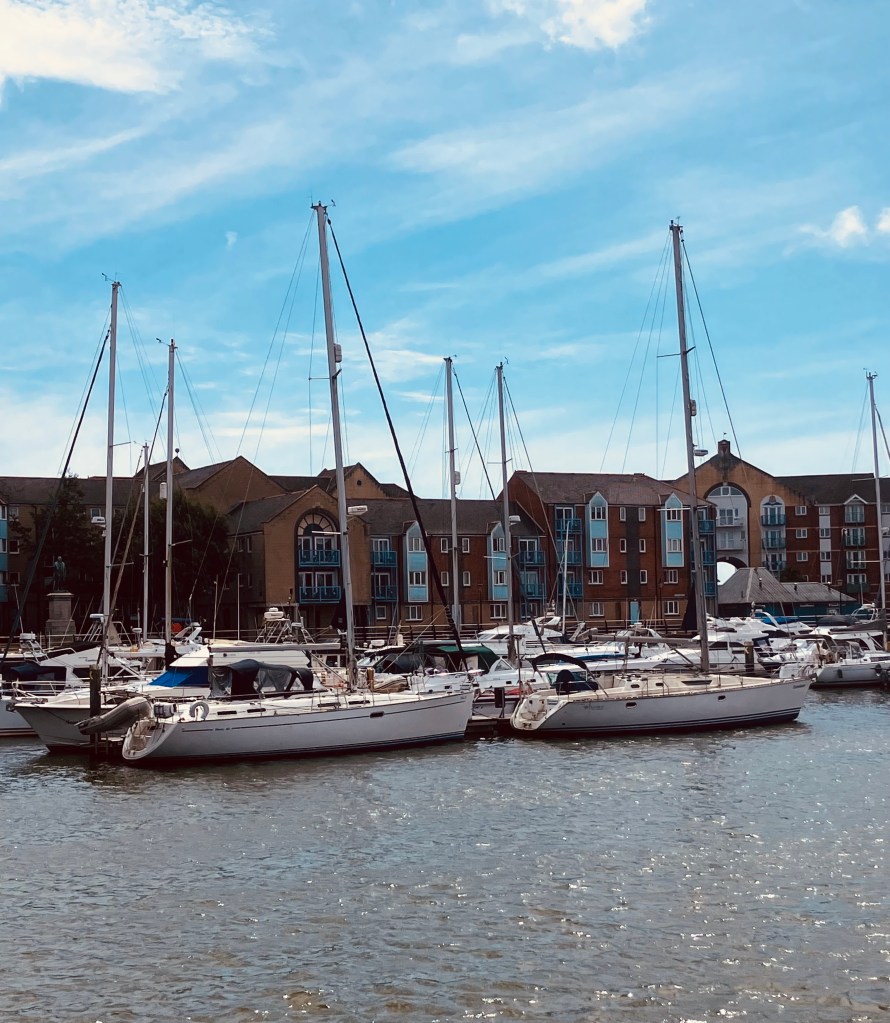
We began by parking near The Pump Waterfront Bar which allowed us access onto the marina itself. It’s a really lovely place to walk around.
It’s hard to imagine today, but Swansea Marina and the surrounding Maritime Quarter were once a working industrial dockland. The old South Dock closed in 1969 and the area subsequently fell into decline. During the early 1980s, however, an ambitious regeneration project began, transforming the derelict dock into a marina surrounded by apartments, restaurants and leisure facilities. The marina opened in 1982 and, more than 40 years later, the area has become one of Swansea’s most attractive waterfront neighbourhoods.
National Waterfront Museum:
Whilst we didn’t have time to fit this into our schedule The National Waterfront Museum is a great place to discover how Wales was shaped by industry, innovation and its close relationship with the sea. It is housed in a striking modern building, cleverly combining the old with the new, with the original Grade II-listed warehouse forming part of the building.
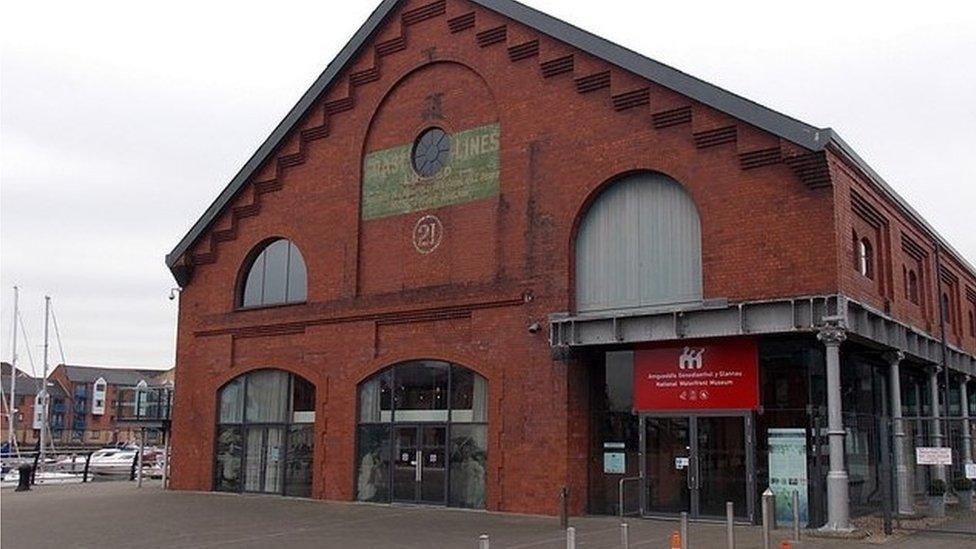
Inside, you’ll find everything from steam engines and historic boats to displays exploring Wales’s industrial heritage, including coal mining, iron and steel, copper and transport. The museum helps to explain Swansea’s transformation from a busy industrial port into the modern waterfront it is today.
And best of all, it’s free to enter!
Missy’s Bakehouse:
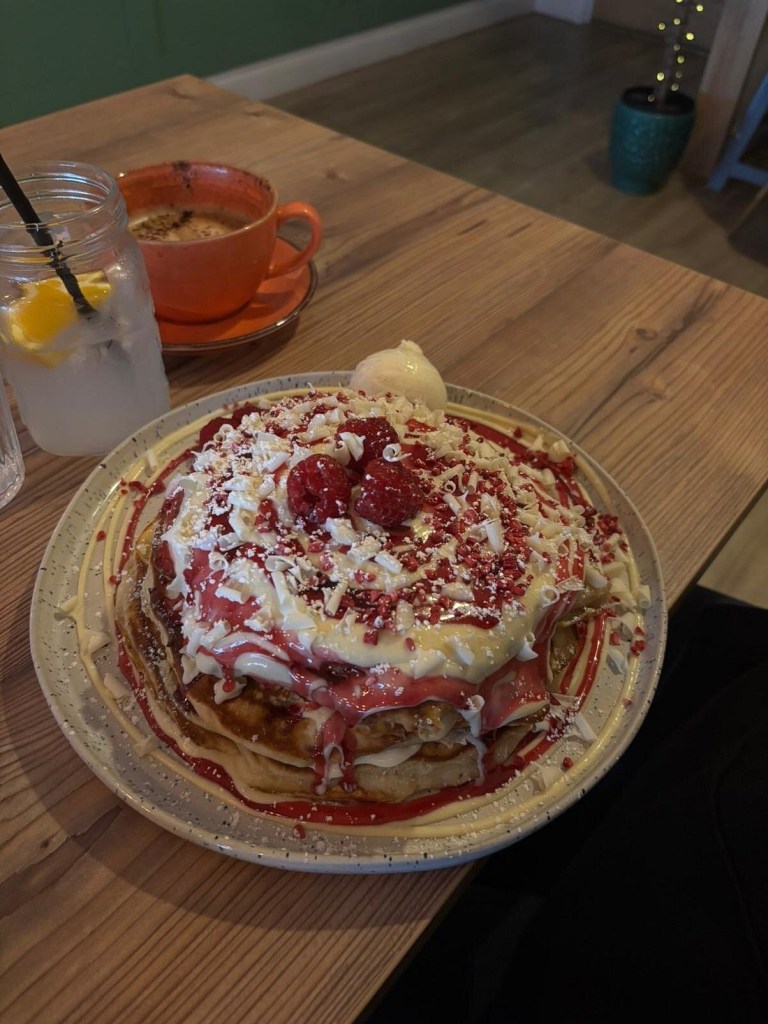
Just along the waterfront from the museum is this lovely cafe, well known for its cakes and pancakes. We popped in for a coffee, happily taking in the view across the water whilst envying the other patrons with their stacked pancakes. They did look delicious, ranging from strawberry and hazelnut to pistachio and white chocolate. I managed to get a quick photo of the raspberry and white chocolate pancakes!
We’ve definitely added this cafe to our list of places to return to in the future.
Swansea Market:
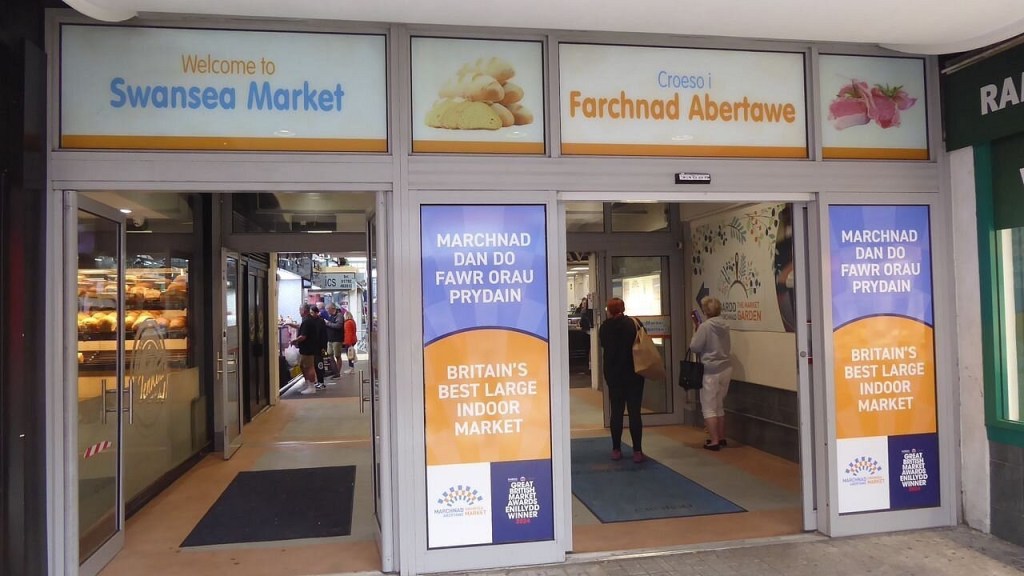
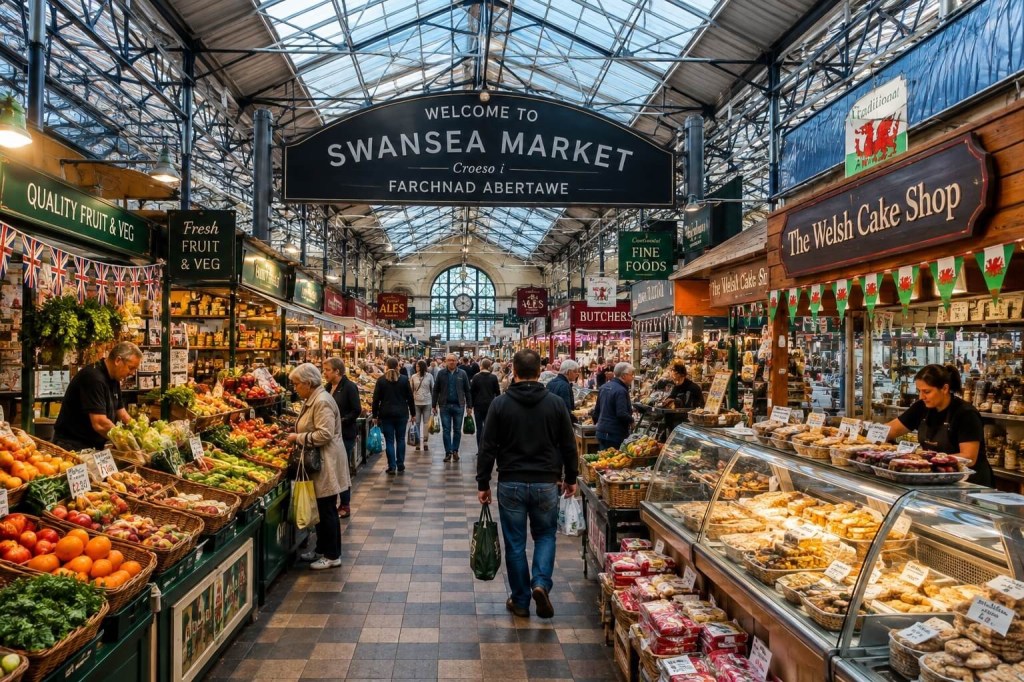
From the harbour we took a little detour, just a ten minute walk from the waterfront is the market. I think you can gauge a lot about a place from its market. In Swansea it’s the sort of place where you can have a browse, grab something to eat if you are feeling peckish and get a feel for everyday life in the city.
Open Monday to Friday from 8am until 6pm, and then 8 until 5pm on Saturdays, this market has been a central part of Swansea life for centuries, although today’s market is housed in a much more modern building following the destruction of the previous market during the Second World War.
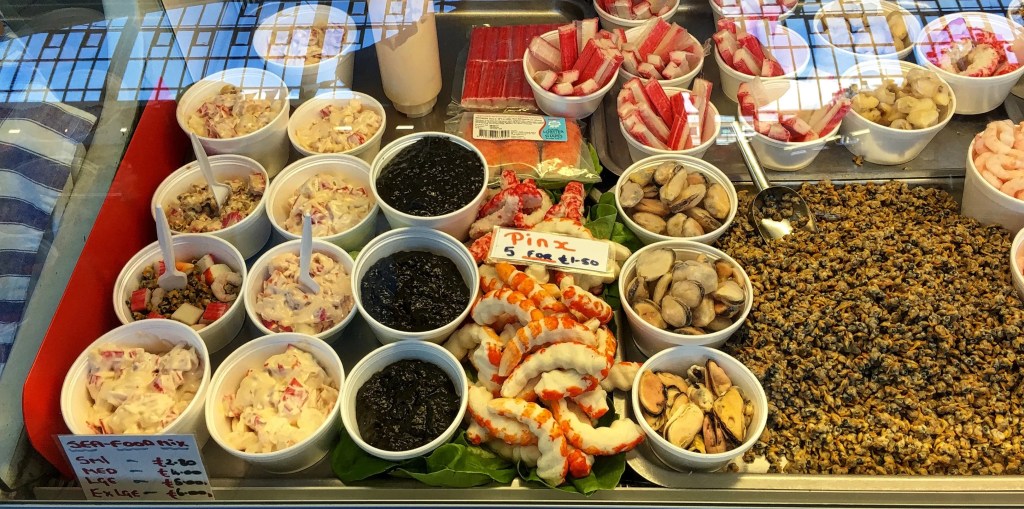
Inside, there was a wonderfully eclectic mix of stalls selling everything from fresh Welsh produce, meat and seafood to cheese, gifts and other local specialities such as the famous Welsh cakes. I was tempted and bought some cakes and fresh produce to take back to the car so we could eat them later when we returned to the cottage.
For me, the market offered another side to the city, not quite as polished as the waterfront, but nonetheless interesting.
The Wales Coast Path:
We headed back to the car to drop off our purchases before walking out onto the coast path.
The Wales Coast Path is an 870-mile continuous walking route that follows the entire coastline of Wales, stretching from near Chester in the north to Chepstow in the south.
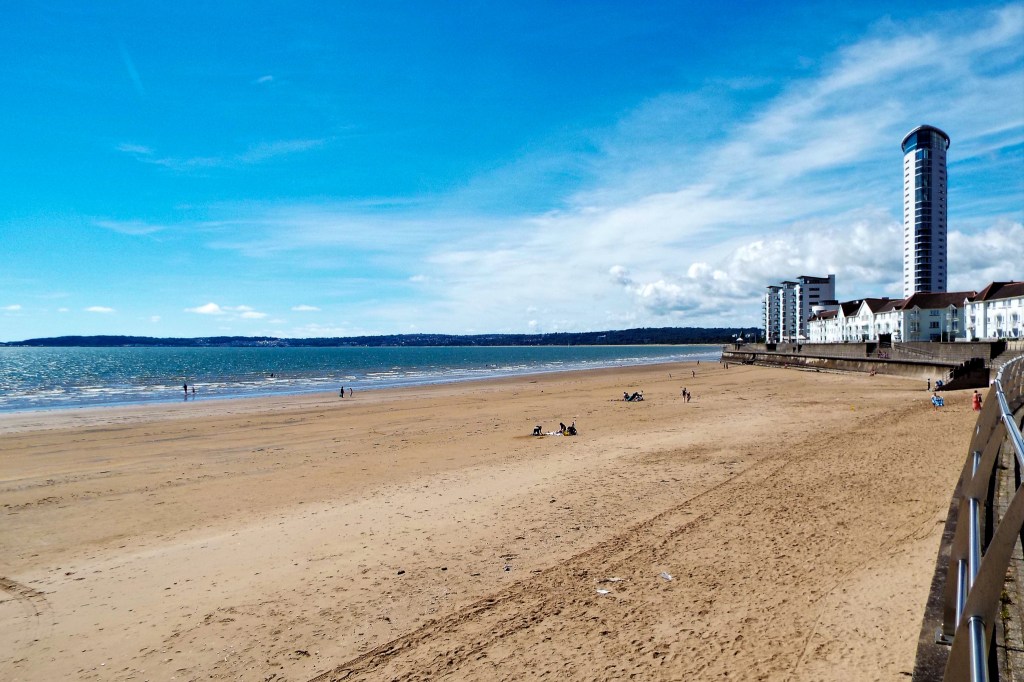
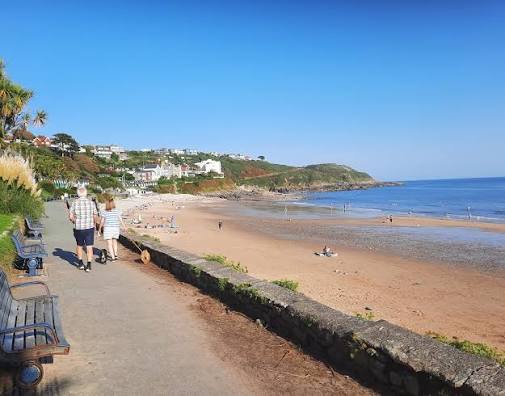
Here in Swansea it is possible to walk from Swansea Marina all the way around Swansea Bay to the Mumbles, a distance of about 5 miles, with the majority of the route following a broad, flat promenade beside the beach.
Swansea Beach:
With the sound of the sea, the fresh breeze and the wide-open views, this was a welcome opportunity to stop for a while and take in our surroundings. Sometimes, when you’re travelling, it’s these quieter moments that are just as enjoyable as ticking another attraction off the list.
There is something rather lovely about simply sitting on a beach and watching the world go by. It feels a little bit luxurious, allowing life to just stand still for a moment.
Stretching out along the sweeping curve of Swansea Bay, the beach gives you a wonderful view across the water, with the Mumbles headland providing a natural backdrop in the distance.
For me, it was a chance to reminisce. I had worked here during my career way back in 1982 and lived in a flat in The Mumbles. The city had certainly changed since then, but I thought for the better. It felt more alive, more modern and cleaner.
Alas time was ticking by, my stomach was nudging me that lunch was required and there was one last place to visit this afternoon.
Mumbles:
Returning to the car we drove the 15 minutes to a car park right on the seafront in the
Mumbles.
This quaint village has a charm all of its own. It was once a small fishing and pilot village. The pilots were highly skilled sailors who knew the waters around Swansea Bay. They would go out in small boats to meet incoming ships and guide them safely through the bay and into Swansea docks, navigating around sandbanks, rocks and changing tides.
During the Victorian era, the village gradually became a popular seaside resort. Its popularity was helped by the Swansea and Mumbles Railway, which began carrying passengers in 1807 and is widely recognised as the world’s first passenger railway service. It wasn’t a railway in the modern sense. It was originally a horse-drawn railway, with horse-drawn coaches running on rails between Swansea and Mumbles. Steam locomotives didn’t appear on the line until much later.
Today, known affectionately as “Mumbles” (and sometimes referred to as the “Mumbles Mile”), much of the village character remains, with its independent shops, cafés and restaurants clustered around the seafront. It’s a lovely place to simply wander without a particular agenda. The promenade, colourful seafront and old buildings give it a wonderfully relaxed, slightly quirky character.
Prior to settling down on the seafront for lunch I did try to locate my “old flat” but alas 40+ years later my memory didn’t deliver.
We did, however, manage to find Johnnies on Chapel Street, a traditional fish and chip shop established in 1939, which provided me with many a Friday night meal back in the day!
Serving the area for many years it was still as unpretentious as I remembered. We bought two generous portions of freshly cooked fish and chips, each presented in a cardboard box rather than good old fashioned newspaper, times are changing!
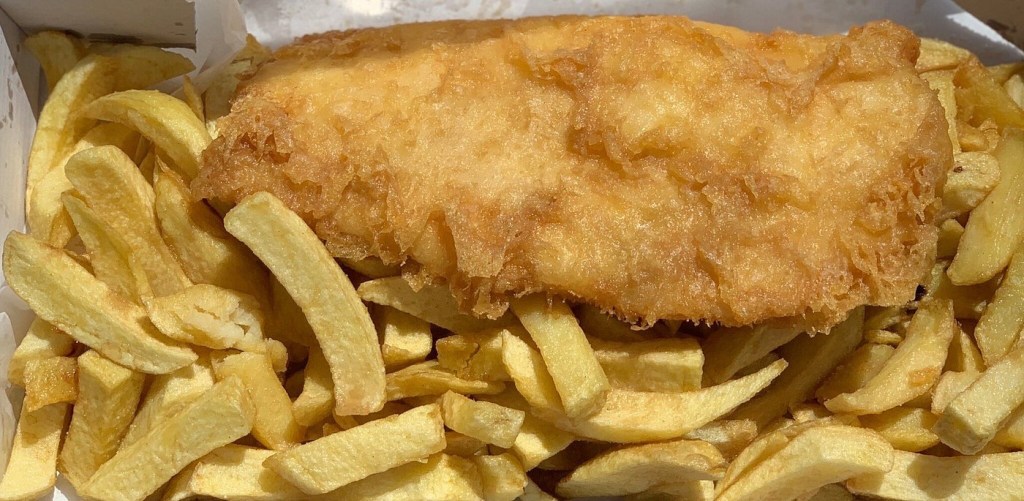
Sitting on the seafront, on a comfortable bench, looking out at the waves once again with the elusive smell of fish, chips and vinegar wafting up our noses I’d managed to deliver my husband’s birthday lunch as requested 😊
Final Thoughts:
Our morning in Swansea turned out to be the perfect birthday treat, combining a little sightseeing with some old memories, beautiful coastline and, of course, fish and chips on the seafront! It was lovely to return to a city that had been part of my life more than 40 years ago and discover how much it had changed, whilst still retaining some of the charm that I remembered.
But our day wasn’t over yet! After lunch, we headed off to explore a beautiful park nearby, which I’ll be sharing with you in next week’s post.
Have you visited Swansea or Mumbles? Perhaps you have your own memories of the area, or somewhere else in Wales that you think we should explore. I’d love to hear your thoughts, so please leave a comment below. And if you’ve enjoyed this post, don’t forget to give it a like!


I want to visit Wales one day, I’ve had lots of videos on my feed of Wales and it seems like an amazing place. What a lovely way to spend your birthday and those pancakes look incredible!
LikeLike
We were very tempted by the pancakes Pooja but resisted in favour of lunch 😊
LikeLiked by 1 person
Haha that’s fair 😅
LikeLike
I’ve heard of Swansea, but have yet to visit, let alone Wales. Looks very picturesque, and those fish and chips are making me hungry! Happy belated birthday!
LikeLiked by 1 person
It was my husbands birthday and be it a simple lunch request we very much enjoyed them 😋
LikeLiked by 1 person