This week I’m welcoming you back to the wonderful country of Wales. If you scroll to the bottom of this post you will find links to previous posts I’ve written about this wonderful country which surprisingly receives substantially less international tourists than England or Scotland. In 2025 there were 32.9 million visitors from abroad coming into England (incl London), 4.2 million visited Scotland and only 913,000 ventured to Wales.
This is really disappointing because Wales has so much to offer. Today I’m introducing you to Bala which I visited earlier this year with my daughter.
Geography:
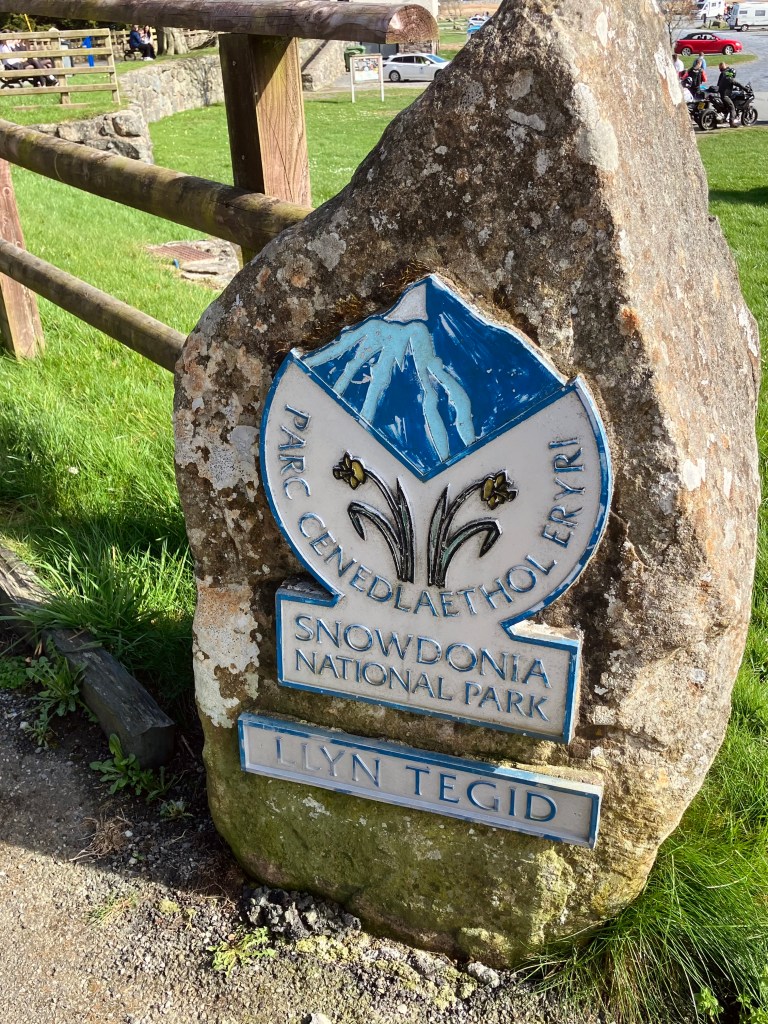
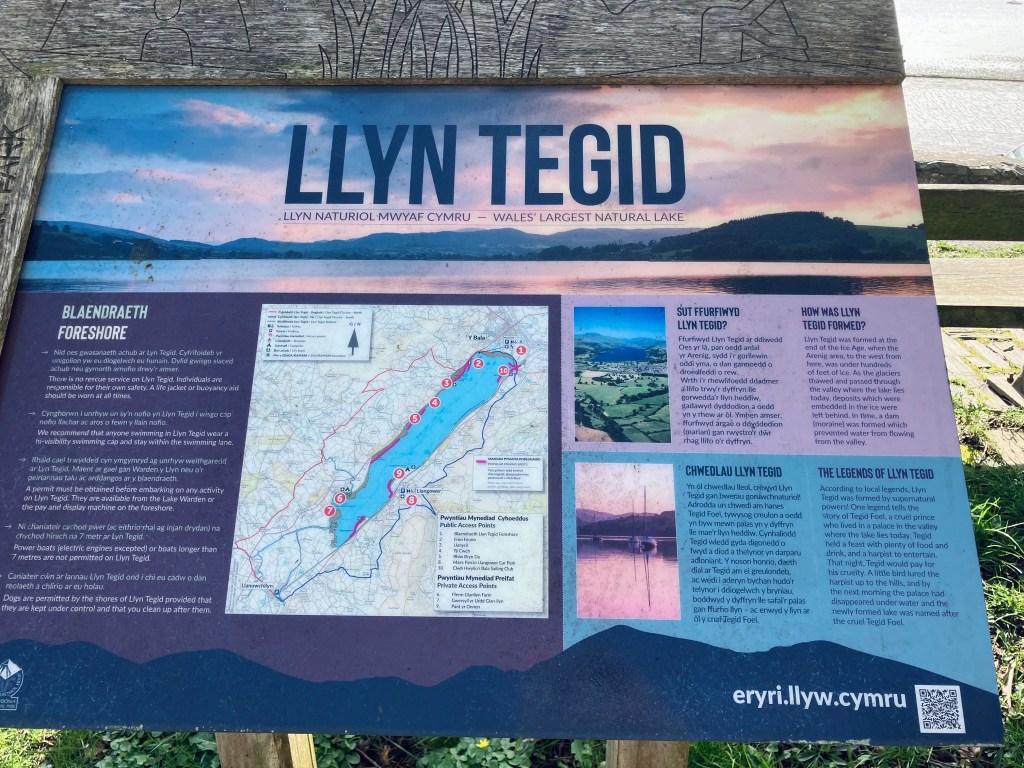
Nestled in the heart of North Wales, this historic market town occupies a particularly beautiful position in the county of Gwynedd, close to the eastern edge of Eryri (Snowdonia) National Park. It lies within the historic district of Penllyn, at the northern end of Llyn Tegid, better known as Bala Lake, the largest natural lake in Wales.
The town is surrounded by an impressive landscape of mountain ranges and deep valleys. The Berwyn Mountains rise to the north and east, the Aran range lies to the south, while the Arenig mountains stretch across the western horizon. These rugged uplands, together with the rivers and lakes that occupy the valleys between them, give this part of Wales a particularly distinctive character.
Bala’s geographical position is also reflected in its name. The Welsh word bala describes the outlet of a lake, and it is here that the River Dee, or Afon Dyfrdwy in Welsh, emerges from Llyn Tegid to begin its journey north-eastwards towards Chester and eventually the Dee Estuary. The river also flows into the lake at its southern end, meaning that its waters pass through this remarkable stretch of water before continuing their journey downstream. It is an interesting geographical feature that has helped shape the identity of the town for centuries.
History:
Although relatively small, Bala has a fascinating history and has played an important part in the cultural and commercial life of Wales. Its development as a recognised market town gathered pace in the early 14th century, when Roger de Mortimer established a Norman borough here around 1310. A royal charter followed in 1324, granting the town the right to hold markets and fairs and helping to establish its importance as a commercial centre for the surrounding rural communities.
During the 18th and 19th centuries, Bala became particularly well known for its woollen industry, with the production of knitted stockings, gloves and other woollen goods providing an important source of income for local families. Indeed, the town’s knitted stockings became so renowned that they apparently found favour with royalty. King George III was said to have been particularly fond of wearing Bala stockings, reportedly believing that their warmth helped to relieve his rheumatism. It is a charming little piece of local history and an indication of just how well regarded the town’s traditional crafts once were.
Bala also has an important place in the history of Christianity, thanks to a remarkable young Welsh girl whose determination helped inspire an international organisation. In 1800, Mary Jones, who lived in Llanfihangel-y-Pennant, undertook a journey of approximately 26 miles on foot to Bala in the hope of purchasing a Welsh-language Bible from the Reverend Thomas Charles. Having saved for several years to afford one, her determination to own a Bible in her native language made a lasting impression on the minister. Her story helped inspire the establishment of the British and Foreign Bible Society in 1804, an organisation dedicated to making the Bible accessible to people throughout the world. Today, Bala continues to celebrate this extraordinary story through the Mary Jones World exhibition and Pilgrim Centre.
We were staying just up the hill in a rented cottage and on our first day out into town we discovered that Bala still retains much of its traditional market-town character, with its long High Street, independent shops and strong Welsh identity. Yet it is the remarkable natural setting that draws many visitors here. As we neared the end of the High Street and on to Pensarn Road nothing could have prepared us for the magnificent sight of Llyn Tegid (Bala Lake). Lying at the foot of the surrounding mountains this lake just mesmerises you immediately, its waters changing colour with the light and weather, creating an ever-changing backdrop to the town.
Discovering Llyn Tegid (Bala Lake):
It is this beautiful lake that makes Bala such a special place to visit.
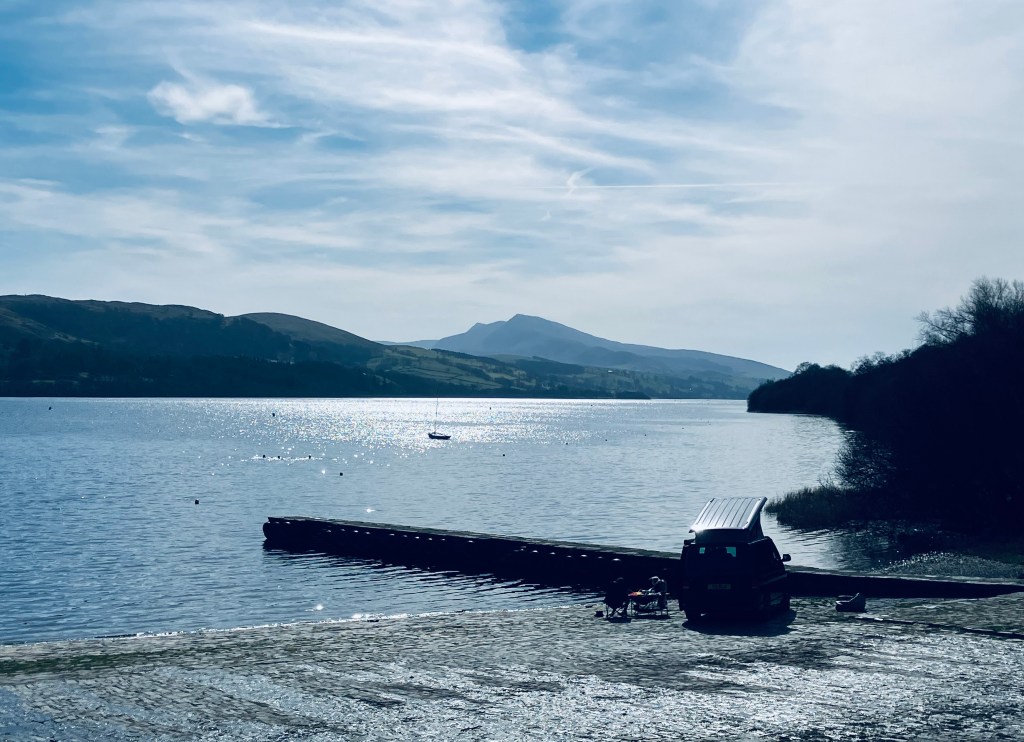
Known locally by its Welsh name, Llyn Tegid, Bala Lake is undoubtedly the jewel in the crown of this beautiful corner of North Wales. Stretching for approximately 3½ miles through a broad mountain valley, it is the largest natural lake in Wales. At around three-quarters of a mile wide and reaching depths of more than 140 feet in places, it is an impressive expanse of freshwater.
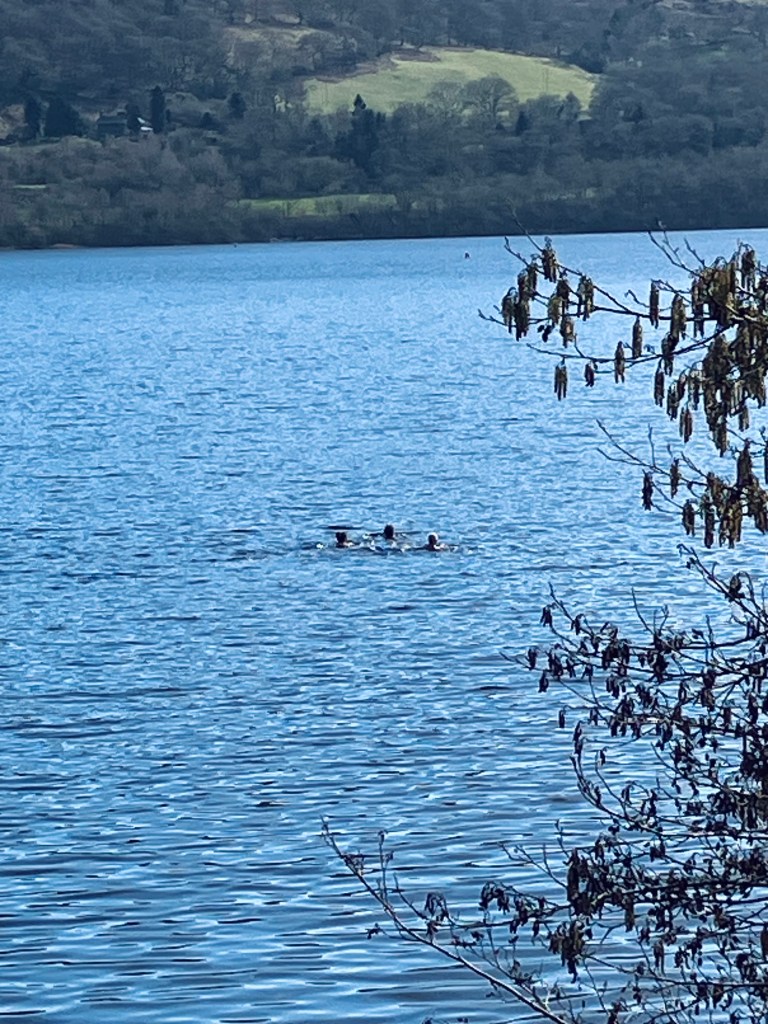
Three ladies were braving the cold water and swimming in the lake
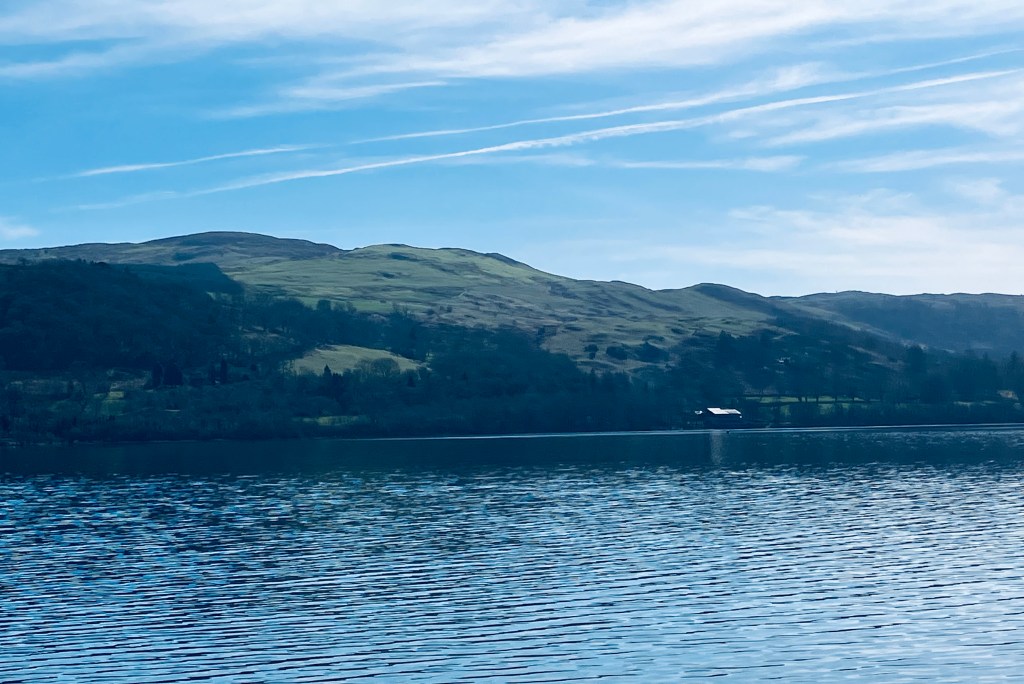
The lake occupies a dramatic glacial valley, its origins dating back to the last Ice Age when the movement of vast glaciers carved out the underlying landscape. Today, the surrounding mountains provide a magnificent natural frame, with the Aran range rising to the south, the Arenig mountains to the west and the Berwyn range to the north and east. The scenery changes constantly with the weather and the seasons. On a calm day, the mountains are reflected beautifully in the still waters, while a change in the weather can bring dramatic skies and an altogether wilder appearance to the lake.
The River Dee, or Afon Dyfrdwy, flows into the lake at its southern end before emerging at Bala to continue its journey towards the Dee Estuary. Although it looks entirely natural, the lake has also played an important role in water management for the region. During the 19th century, the engineer Thomas Telford constructed sluices at its northern outlet to help regulate water supplies for the Ellesmere Canal, now known as the Llangollen Canal. Further engineering work during the 1950s created the modern Bala Lake Scheme, which allows water levels to be controlled and helps manage river flows and flooding downstream.
Wildlife and Folklore:
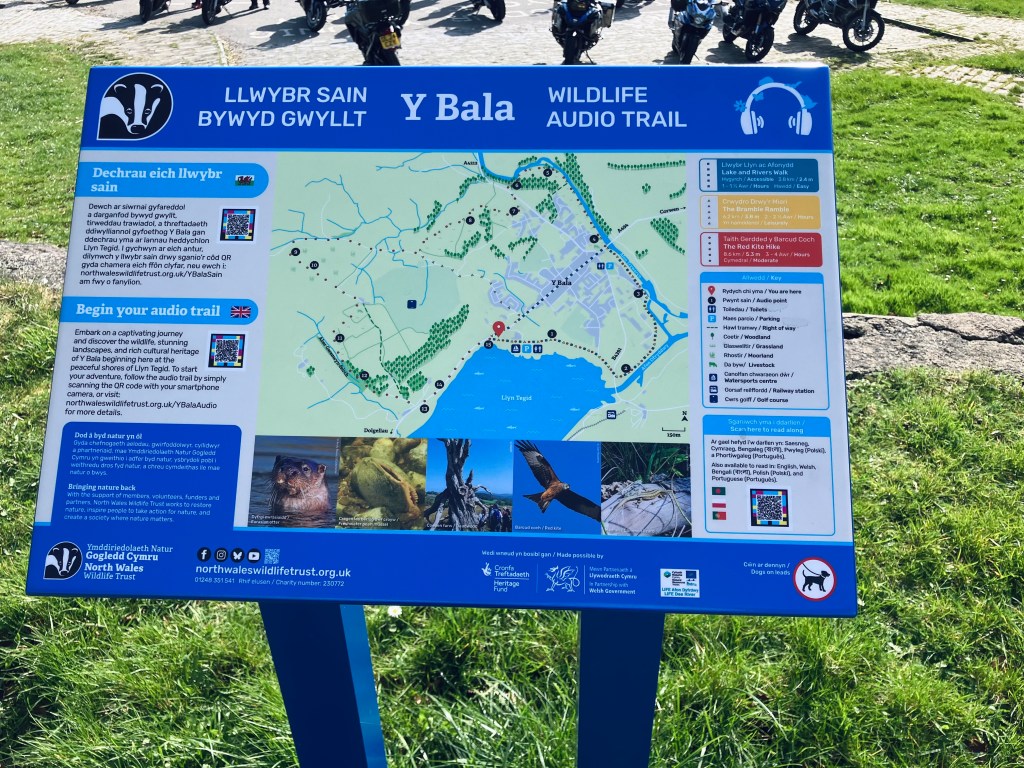
On our first visit, we wandered around the lake anti clockwise walking from Woody’s Cafe to the Mary Jones Pilgrim Centre trying our best to remain on the shoreline. Our walk was mainly through unspoilt vegetation. Llyn Tegid is much more than just an impressive landscape, it is also an important wildlife habitat, supporting some rather special inhabitants.
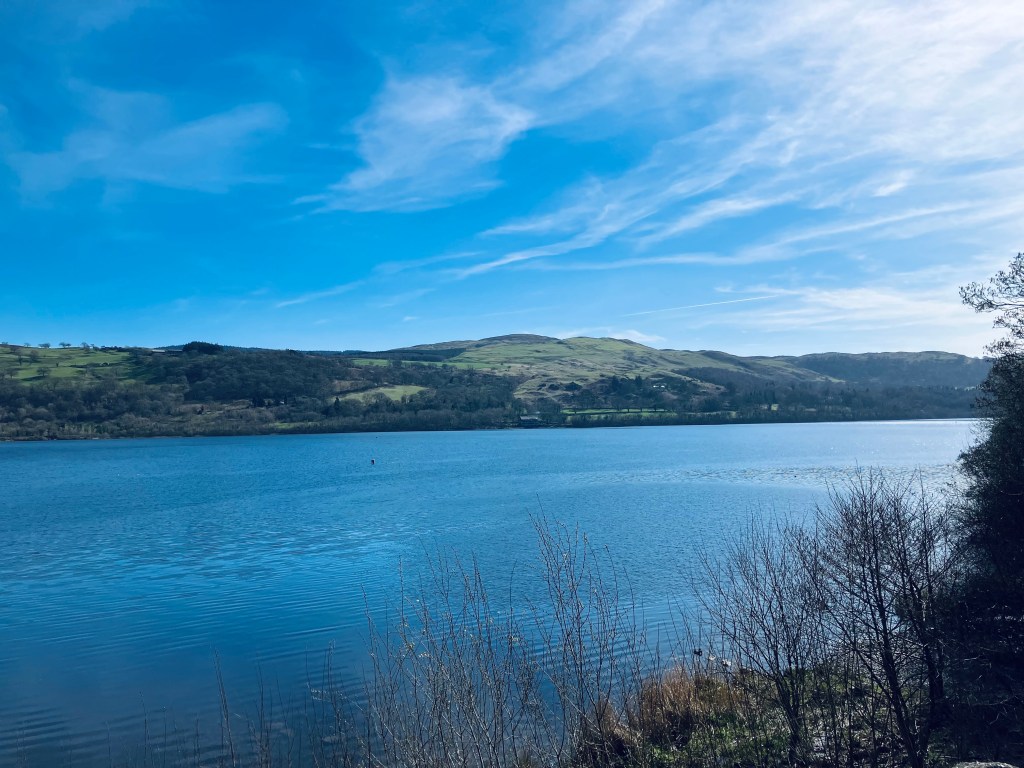
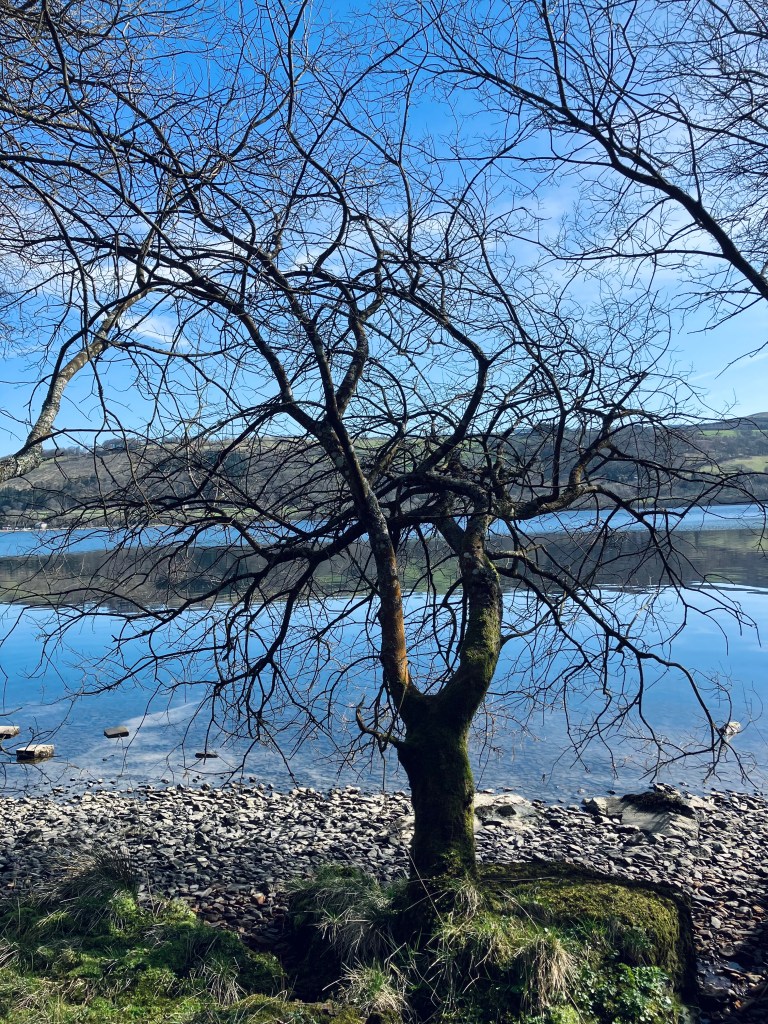
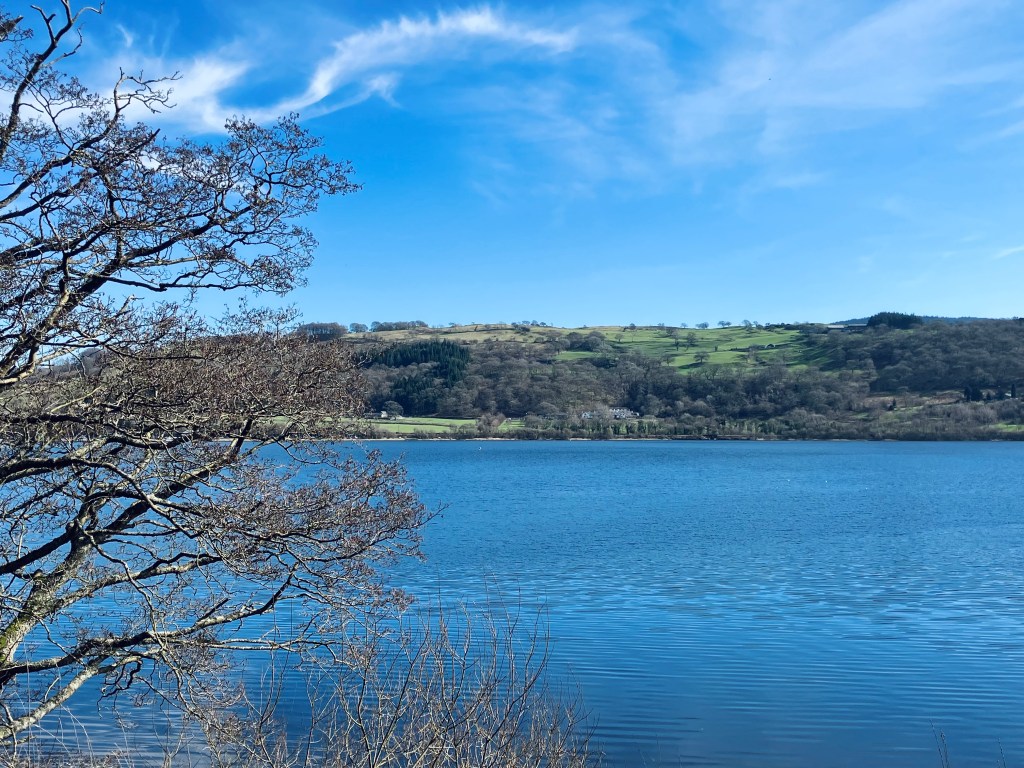
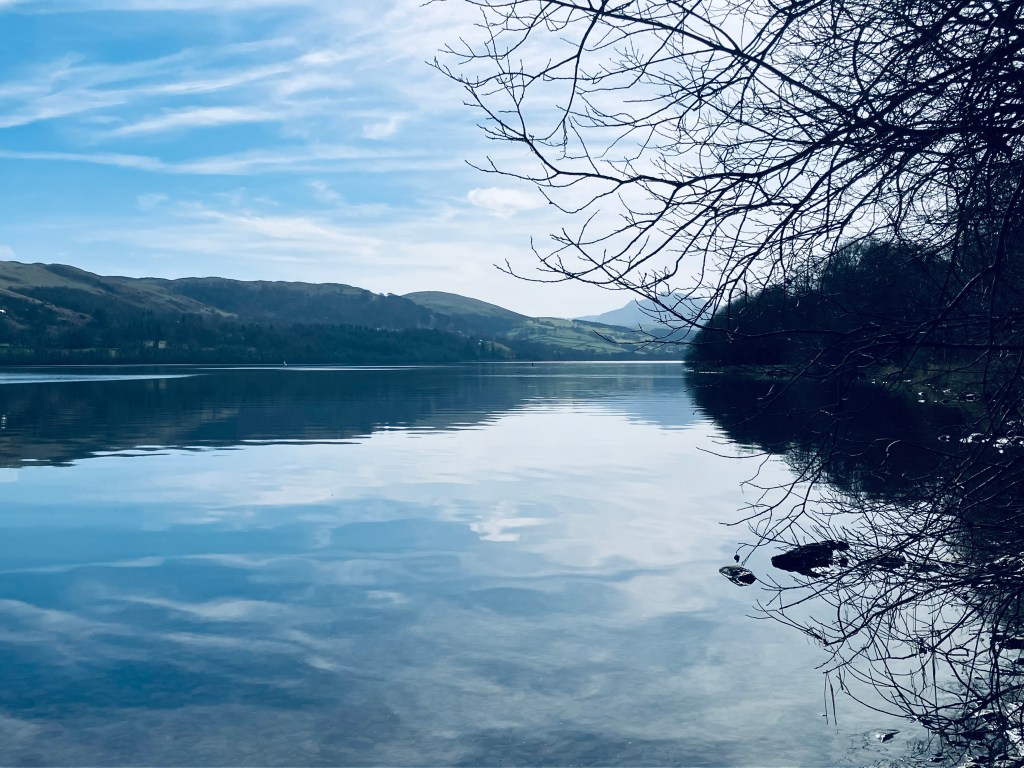
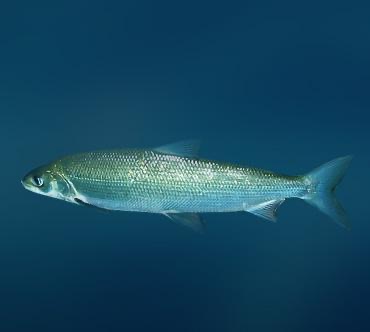
Perhaps the most remarkable is the Gwyniad, a rare freshwater whitefish which has survived in the lake since the end of the last Ice Age. Found naturally in the UK only in Llyn Tegid, this fish is a fascinating reminder of the lake’s ancient origins. We didn’t manage to spot one on our travels but the surrounding waters and wetlands also support a variety of other wildlife, making the lake an important site for nature conservation.
The lake has several important conservation designations, including a Site of Special Scientific Interest (SSSI), a Special Area of Conservation (SAC) and international recognition as a Ramsar wetland site.
There is also a rather more mysterious side to Llyn Tegid. Local folklore tells of a cruel prince named Tegid Foel, whose palace and settlement once occupied the valley. According to the legend, the prince’s wicked behaviour eventually brought about his downfall when the valley was flooded, drowning his palace and its inhabitants beneath the waters. Only a travelling harpist escaped, having been led to safety by a small bird which warned him of the impending disaster. The lake is said to have taken its name from the unfortunate prince.
More recently, the lake has acquired its own version of the Loch Ness Monster. Affectionately known as Teggie, this mysterious creature has supposedly been spotted in the lake on several occasions, with reports dating back to the 1920s. Whether there is anything lurking beneath those deep waters is another matter, but it certainly adds a little intrigue to an already fascinating place!
Walking Around the Lake:
My daughter loves being out in nature and was keen to explore the full extent of the lake so armed with water and snacks she followed the path around the lake anti clockwise to walk a complete circuit of Llyn Tegid. The route covers approximately 14 miles and offered a constantly changing perspective of the surrounding mountains and countryside. It is worth noting, however, that this is not an uninterrupted lakeside path. Sections of the walk follow rural footpaths across farmland, with some stretches along minor roads, particularly towards the far end of the lake. It is a substantial walk requiring a reasonable level of fitness, but one she found very enjoyable which offered her a wonderful opportunity to appreciate this beautiful landscape from a variety of viewpoints.
Bala Lake Railway:
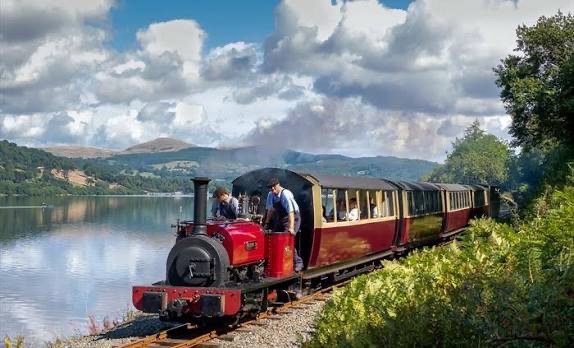
Another lovely way to appreciate the beauty of Llyn Tegid is aboard the Bala Lake Railway (Rheilffordd Llyn Tegid), a charming narrow-gauge heritage railway which follows the southern and eastern shores of the lake.
Starting from the village of Llanuwchllyn, the little steam railway travels for approximately 4½ miles towards Bala, offering passengers wonderful views across the water towards the surrounding mountains. The return journey covers around nine miles and takes approximately an hour, making it a delightful way to experience the landscape from a different perspective.
The railway has an interesting history of its own. It occupies part of the former Great Western Railway route between Ruabon and Barmouth, which closed to passenger traffic in January 1965 following the Beeching cuts. Thanks to the efforts of local enthusiasts, the line was given a new lease of life as a narrow-gauge heritage railway, with its first trains operating in August 1972.
Unfortunately, the railway wasn’t running during our visit, so we didn’t get the opportunity to experience the journey for ourselves. However, it is certainly something worth considering if you are visiting Bala when the trains are operating. The combination of traditional steam locomotives, beautiful lakeside scenery and views towards the surrounding mountains offers an alternative experience for visitors
The railway is also working towards an extension into Bala town itself, which would bring passengers closer to the town centre and the northern lakeshore.
This is a stock photo of the Bala Railway
Final Thoughts:
Bala is one of those places that leaves a lasting impression. Its fascinating history, traditional Welsh market-town character and magnificent mountain setting make it a wonderful destination to explore. However, it is undoubtedly the breathtaking beauty of Llyn Tegid that steals the show. Whether you choose to explore its shoreline on foot, enjoy the views from the Bala Lake Railway or simply find a quiet spot to admire the surrounding scenery, there is something rather special about this beautiful corner of North Wales. My daughter and I loved our visit and I’m aiming to bring my husband here in the future!
I hope you’ve enjoyed discovering Bala and its wonderful lake with me. If you have, please do leave a like and share your thoughts in the comments below. Have you visited Bala, or perhaps discovered another favourite spot in North Wales? I’d love to hear about it!
Next week, I’ll be continuing my exploration of this beautiful part of Wales with a visit to Pistyll Rhaeadr, one of the country’s most spectacular waterfalls, followed by the equally beautiful Lake Vyrnwy. I hope you’ll join me!

