As part of a recent trip to Essex to catch up with relatives before Christmas we spent time exploring the London Christmas Markets -see previous post: https://amidlifeadventure.org/2024/12/15/exploring-the-christmas-markets-in-london/ Whilst in London we also took time out to catch the Christmas lights in Carnaby Street, Oxford Street and Regent Street.
Christmas Lights: I hadn’t been to London to do this for some 20+ years since my children were small and we lived in Essex. I cannot even begin to explain my disappointment. This was Carnaby Street for example!
There I was hoping and, to be honest, probably expecting it to have not unduly changed. I craved Christmas spirit and was looking for this experience to top up my Spirit of Christmas bucket which was, at this point, not even halfway full! Instead I was just dumb founded. Where were all the multi coloured twinkling lights? I remember strolling down the whole length of both Oxford Street and Regent Street stopping only to buy myself and the children mugs of hot chocolate to stave off the cold. Back then time flew as we stopped every few minutes to stand still and gaze in awe. Each set of lights would display something different; Christmas bells, stars, presents with bows, angels, tinsel. Every emblem of Christmas could be found and you were committed to walking the length of these streets so you didn’t miss anything.
The lights this year were still pretty but they were all the same. This was Oxford Street…..
Just strings of silvery lights with stars on the end and this was Regent Street
Golden angels with wings. Nothing else just row after row of the same design. Tourists from home and abroad used to flock to London to see the lights and I’m sure were often tempted into shops whilst strolling the length of these streets. Regent Street even boldly displayed a message…..
In case you cannot read it this is a close up.
The Spirit of Christmas! Sorry where is that then?
Lakeside Shopping Centre: Disappointed by this inadequate display we took ourselves to the Lakeside Shopping Centre the following day to focus upon some Christmas shopping and in the hope that our own spirit of Christmas might be restored. The decorations were not really any better….
I thought this was actually embarrassing but I guess it is aimed at the Insta crowd.
I’m not sure if this is suppose to look elegant or they had a batch delivery of gold baubles. It certainly doesn’t substantiate the message below of “Destination Christmas” to me.
This was a little better but again I remember a time when you would take your children to the “Turning on of the Lights” at your local shopping centre. The children would get all excited as a known personality prepared the switch-on and when the countdown was complete everyone would exclaim in wonder at the magic on display in front of them. The lights on display in my nearest market town of Dursley look better than any of those I’ve seen up in London. I actually find it incredibly sad.
Commercialisation Yes that dreaded word where everything is managed or run principally for financial gain. That was the word that rang in my ears when I was driving back home from our four night break. It feels like even Christmas is being lost to this one word. No one in retail seems to do anything purely for uplifting peoples’ spirits anymore. Strolling through the lights in London used to be a beautiful experience for families and couples alike at a minimal expense but now it’s like a token gesture. The people who sit and make the decisions about these decorations are only doing something it seems rather than nothing. I find it really sad and very indicative of this world we now live in.
Perhaps it’s not what the majority want anymore, maybe people are so busy shopping they take no notice. Maybe destination shopping centres are just that, a destination? Our experience at Lakeside certainly seemed to indicate this. It was like a swarm of locusts descending upon the shops. Listening to conversations around me I heard comments like “oh that will do for auntie so and so”, ” Well we have to get the nieces and nephews something, yes you’re right we’ll just get them all pyjamas”, “We can’t turn up without a present that will do”. What happened to actually putting in some thought as to what would suit Auntie? What the nieces and nephews might be interested in or even showing up with a handmade present? Where is the care, the joy of gift giving? I fear it is disappearing.
It was just a crazy experience, people were shopping with their babies/toddlers in buggies with car-phone style attachments so the child could watch the mobile phone or tablet while the parent(s) shopped, hopefully I’m guessing without any interruption from said child. An absolute ton of money was no doubt being spent all in the name of turning up with a present.
To cap off our trip and prior to meeting family for lunch on the Sunday we popped to Pitsea Market in order to peruse the stalls for presents and also wreaths for family graves. Romford Market used to be a favourite haunt of mine when I lived in Essex, pre 2005, and again you could feel the spirit of Christmas as you wandered the stalls. Alas that is just a memory now. Pitsea was once again heaving, the stalls were overflowing the parameters of the market and nearly every single one was selling “knock off” gear. It appeared that everyone was so caught up on delivering “named brand” presents to their loved ones that there was no regard for the fact that what they were buying was 100% not the real thing. How many famous brands can you spot by the packaging here?
Apple Air pods £10. Jo Malone candles £15
Uggs at £10 or £15
How on earth do these market traders get away with this? What happened to Trading Standards?
This is yet another form of commercialisation. Fulfilling the need of the consumer for financial gain whilst totally disregarding authenticity. I was even made aware of videos on TikTok blatantly displaying this law breaking activity.
Have we just completely lost the spirit of Christmas? Christmas used to be about friends and family gathering together to eat, drink and be merry. It was the act of giving a present, no matter how small to show your appreciation for a person. It was the wonderful countdown that children enjoyed in their eager anticipation of Father Christmas arriving on Christmas morning to deliver presents. Someone, just this week, said to me ” Our children only receive one present from Father Christmas each, we don’t hang up stockings or leave sacks of presents by the tree. ” when I enquired why, the response was “We live in a commercial world where so many children demand really expensive presents these days from Mobile phones to iPads to Gaming stations from Father Christmas. When that child returns to school post Christmas and tells their friends what they received from Santa what does the child who received a colouring book and crayons think? That Santa doesn’t love them as much? “ “We give them one present from Santa and then the remaining presents are from us as parents, we feel that is fairer” .
On the YouGov polling site this week I even read that some people are having to forego Christmas this year because they simply cannot afford it and do not want to get themselves into debt as a result.
This is so far away from the real spirit of Christmas, what on earth is this world coming to? When did it stop being about sharing the spirit of Christmas and instead become such a commercialised venture?
I would love to hear some feedback on this opinion piece particularly how you feel you maintain the Christmas Spirit in this ever changing world
Day two of our visit to Essex led us to the train station at Stanford-Le-Hope and heading up to London. We had stupidly forgotten to use our railcard at the ticket office which would have saved us a third off our fare. If you live in the UK you probably know all about railcards but if you are visiting from abroad it is worth looking into on line as there are so many to choose from which save you money if you are using the trains to get around.
It takes just under an hour to roll into Fenchurch Street Station. We are slightly early as the markets don’t open until 11 a.m. so we grab a coffee and a cake at Costa Coffee at Tower Hill. I’d received an offer from them recently where if you spend £20 on a gift voucher they would add another £5 to the total. As we were likely to be out and about a lot over the Christmas period it seemed like a good idea to save a bit of money and so I paid for the voucher and gifted it to myself! I had also been awarded a free drink in November and had saved this too for when we came to London where the prices are much higher than at home. Ever the bargain hunter me!
The winter sun was still rising as we approached the Tower of London and Tower Bridge. The tourist crowds were out in force reminding me that London is a top destination for visitors at this time of year. I managed to snap this photo of the sun’s Winter rays reflecting off the water of the Thames before we walked across to the South side of London.
Christmas by the River: The first market on our adventure today is aptly named “Christmas by the River” and starts at Tower Bridge and meanders its way along the banks of the Thames to London Bridge. The very first stall exudes Thai spices backed by the sizzle of a hot wok. My mouth waters as I spot the samples being prepared and displayed on the front counter. This is my type of food but lunch is still a couple of hours away and so I drag myself away and focus instead upon the wooden cabins displaying gifts. I’m a little disappointed, there aren’t as many as I was expecting from the pictures I had seen on line, particularly when you eliminate those selling food and drinks. It’s not long before we reach London Bridge and are checking out our next port of call.
Hay’s Galleria My research had alerted to me to this indoor arcade with its huge vaulted roof inside of which is a sculpture by David Kemp. This rivet-covered bronze sculpture known as The Navigators, is something to behold, with the face of a man and the body of an industrial-age ship. The 60-foot sculpture is actually an enormous kinetic machine which when activated has oars that move through the water at it’s sides. It was installed in 1987 during the renovation of Hay’s Galleria, which saw the conversion of this old wharf into the current shopping arcade.
Also taking pride of place at this time of year is the grand Christmas tree which is worth looking at although the rest of the arcade was a little disappointing and somewhat lacking in Christmas spirit again compared to the pictures I had seen on line from previous years.
Borough Market: This market is on a lot of tourists’ “must visit lists” and as it was en route to our next Christmas Market destination we thought we would stop by. Be prepared to fight your way through the hordes of people, it is intensely busy! It ranks as one of the largest and oldest food markets in London, having had a market here dating back to at least the 12th century. The present buildings were built in the 1850s and nowadays, the market is home to over 100 stalls, stands, shops, restaurants and bars. You can buy a whole host of fresh produce: cheese, meat, fish, fruit and veggies, alongside pantry items like oil, condiments and coffee. There are also street food stalls selling everything from falafel wraps to pies to noodles. We were here around lunchtime and the queues were immense causing us to hold onto our hunger and look further on our trail. Before departing though I have to mention the artisan bread stalls, these are my favourite and I cannot wait to come back here in the summer to buy some freshly made bread for a picnic!
Check out the cheese mountain on this photo
Southbank Christmas Market: Our path leads us back onto the river bank and eventually to the SouthBank Christmas Market. It’s beginning to feel like we are on “Christmas Market Repeat” . The stalls are once again in essence the same as those we have viewed already. It’s beginning to feel like one person is running the contract for these markets and companies wishing to sell their goods are offered a bulk buy discount resulting in the same companies displaying their wares at every market. There is very little variety which is really disappointing. Unfortunately one stall that hasn’t repeated is the original Thai food stall so in the absence of anyone selling something that tempts our taste buds we eventually decide to take a break and get lunch at Wagamama instead. We can sit indoors on what is proving to be quite a cold Winter’s day, enjoy some Asian inspired food and take a much needed rest.
Eventually feeling ready to tackle what we perceive to be the two main markets on our adventure we walk across the Golden Jubilee bridge and head north to Trafalgar Square.
The stalls are arranged back to back in a bank of wooden chalets but once again we are faced with the same articles on sale but obviously with different sellers! This is not at all what we expected when we planned our day out in London and decide to walk on to our final destination at Leicester Square. There are more chalets to choose from here but in essence we are again on repeat.
I guess if you are a tourist you would possibly only visit one or two of these markets when you are perhaps in the vicinity and not dedicate a whole day to go Christmas Market shopping like we had so maybe you wouldn’t be disappointed. Personally I cannot help but compare what I have seen today to those in more provincial areas. I’ve personally visited Bath Christmas Market and Chester Christmas Market, at either end of England, and they far exceeded what we experienced today. I have also had the joy of visiting Christmas Markets in Berlin, Cologne and Lille and they also exceeded London.
The London Christmas Markets seem to be primarily set up for evening entertainment. A place where people can come and stroll, peruse the stalls whilst partaking in drinks and food. I’m sure there are lots of people who enjoy this annual social event but if like us you are looking to do some serious Christmas shopping from true independent market stall holders I would suggest heading out of London and checking out what other cities have to offer.
I am usually the type of person who is out shopping once a week during November searching out the perfect present(s) for my loved ones whilst supporting independent local businesses in the small towns and villages in the Cotswolds. The tree and decorations are usually up by the first weekend of December complete with all the presents wrapped and ready for the forthcoming season.
This year, maybe because of how tumultuous it has been, I’ve struggled to find my usual Christmas joyous expectation. For this reason I’m actually really pleased that way back at the start of the year hubby and I booked a lovely place to stay in Essex so we could visit his relatives and spend some time doing Christmassy stuff.
We arrived yesterday and spent last night at the Royal Horticultural Society Hyde Hall visiting their annual glow event. Dressing their extensive gardens with beautiful lights, I actually found the Christmas spirit building inside me the nearer we got to the gates. We had purchased the tickets at a discounted price using our one year RHS membership which expires soon. We have benefitted no end from being members in the last 12 months, both visiting the specific RHS Gardens (see links below) and also some of the partner gardens (see previous posts about Gardens of England and Wales) : https://amidlifeadventure.org/2024/06/15/gardens-of-england-rhs-rosemoor/ https://amidlifeadventure.org/2024/11/15/gardens-of-england-and-wales-top-attractions-at-rhs-wisley/
However we have decided to swap over to an annual National Trust membership next year so we can add a few more one day outings to our itinerary and explore their houses and gardens.
RHS Hyde Hall Glow: We booked tickets for 6 pm and we were immediately surprised on entering the grounds and resulting car park how busy it was. Making our way on foot to the entrance we were greeted by two smiling faces from the young women checking tickets. The route for the Glow is well marked so we managed to walk around easily but there were marshalls at strategic points in case guests have questions or need help.
It wan’t long before one of the trees beautifully lit with blue iridescent light caught my attention. The cold night air is also beginning to take effect which just adds to that wintry feeling of Christmas approaching.
Having not visited this specific garden in daylight it’s quite hard to describe the route we follow but soon we are crossing over a long expanse of grass which looks a bit like a small aircraft runway. Lines of blue and gold light up simultaneously creating a lovely linear effect.
And as we reach the other side of this and wander on we are soon met with a glorious view across the gardens to the trees beyond. A multitude of colours catch your eye against the dark night sky.
Walking on I managed to capture this lovely photo of the bare trees, whose leaves have all now fallen, silhouetted against the trees behind lit again in blue light. Golden globes adorn the branches like giant woven Christmas baubles.
The path then leads towards another open expanse of lawn embellished with triangular golden lit Christmas trees.
From here it isn’t long before we reach the lake where classical music plays as the fountains dance spraying their water in turn. It’s not quite on the scale of the Fountains at the Bellagio or even on the lake at Blenheim Palace last year but it allows a few minutes of reflection and entertainment. I did try to video this but it wasn’t hugely successful as many other visitors had the same idea and I’m not a fan of people I don’t know being in my photos or my videos!
When we had entered the gardens the staff had made us aware that there were places to eat en route. As we approached the first of these I managed to capture this photo showing an array of colours lighting up the plants and vegetation with a wooden chalet style building in the background.
We didn’t opt for this first indoor cafe which served a variety of hot drinks and evening meals but chose to walk on to the selection of open front cabins where you could purchase everything from a buttermilk burger to churros and hot chocolate. This was probably our only complaint about our visit, the prices were extortionate! Two hot chocolates with eight mini doughnuts came to just over £20! I’m not a fan of doughnuts but hubby fancied a hot sweet snack. It made me a little cross because there were many families wandering around with excited children who no doubt would be tempted by these eateries adding a huge expense to a family Christmas night out.
Finishing our drinks we got back on the trail and finished the last short portion of the walk. I rather liked these “shooting stars” made out of cone shaped wicker baskets and what seemed to be branches of twisted hazel backlit with green lighting.
The exit is through the garden centre and shop and to be fair there was quite an array of items available which would make suitable gifts for friends and family. We enjoyed the time we spent here (just under two hours) but we were maybe spoilt by last year’s excursion to Blenheim Palace which unfortunately whilst I have a litany of photos on file I didn’t write about!
Life is still incredibly hectic even when you are retired! When you first retire you often sit and ponder how you are going to fill your time but once you are fully in the swing of things you start asking yourself “How on earth did I have time to go to work?” I’m starting to love retirement particularly when I get to spend time with family and friends or even on my own doing the things I enjoy.
Our Journey:
Last weekend I headed off for three nights with my closest friends -Andrea, Debbie and Janette, who I’ve known for at least seventeen years. As a foursome we try and meet up twice a year which always includes a weekend near Christmas. Due to family commitments this year we had to go a little earlier than usual which meant the cottage we rented wasn’t yet dressed in its Christmas splendour.
Our journey began at 8.30 on Friday morning as the three of us who live down here in the West Country hit the road to travel north. Debbie and I take it in turns these days to drive so we piled all our food and luggage into Conan (my Mitsubishi Barbarian). Those who were around in 1982, which is actually before Andrea was born, will perhaps get the reference as to why I christened him Conan! A coffee stop was taken as usual, when we are travelling north, at Keele Services on the M6 which has a Starbucks and a Waitrose, what more could us ladies want? Our first destination was Delamere Train station in Cheshire to pick up Andrea who was travelling down by train from Lancashire.
Delamere Station is probably one of the quaintest railway stations I’ve come across in the UK to date. Opened on 22 June 1870 this station serves both the village of Delamere and also the wonderful Delamere Forest and lies 9.5 miles east of the city of Chester with hourly trains operating both to Chester and in the opposite direction to Manchester. All the facilities of Delamere Forest are only a short distance away. Unlike many British stations, the original stone buildings still exist next to the platform, though they are privately owned and have been adapted for use as the ‘Station House’ cafe. We wandered through and were all pleasantly surprised at the menu on offer but as we had plans to have lunch together at our next stopping point we merely availed ourselves of the super clean toilet facilities.
The train rolled into the station on time and we all eagerly hugged on the platform pleased that Andrea had completed her journey without any hitches. Piling back into Conan we headed for Tarporley just under six miles up the road.
Tarporley:
Tarporley can be found in rural Cheshire and, as I had read in advance, the village is considered to be one of the county’s most attractive villages. It is actually located near the site of a prehistoric settlement and was listed in the Domesday Book as “Toepelei”, which has been interpreted from Old English as meaning “a pear wood near a hill”.
Our first priority on arrival was to locate the Ginger and Pickles tea room and cafe. We drove past it on the High Street but parking, I have to say, was an absolute nightmare. We had to drive through the main village, check out two different car parks which were both full, before locating a spot on the main road with no parking restrictions. We then walked ten minutes back to the cafe in the hope of having lunch. I’d chosen this particular venue having researched places to eat beforehand on Tripadvisor. Whilst it wasn’t at the top of places to eat in the village it catered for all of us regardless of our dietary choices. We did have to wait for a table but were soon ensconced in the window overlooking the street. When it came to pay the bill I was astonished to find that the lady taking my card payment actually came from the village I live in Gloucestershire, taking great pleasure in telling me her Mum and brother still live there! Wow! What a small world.
Following lunch we ambled the length of the High Street exploring all the shops that took our fancy. Both Andrea and Debbie managed to find a couple of Christmas presents to cross off their list. I took the photo below because unusually I have been struggling to get into the Christmas spirit this year and this actually made me feel quite warm and fuzzy inside.
A notice up in the village advertising their Festive Fayre beckoned us to return on the Sunday Morning to explore a little further.
Chester:
Within our friendship group we all have our favoured roles which have grown up over time. Since Andrea moved up north from Plymouth five years ago we tend to try and stay somewhere in between our two counties. One of my roles tends to be researching in advance the accommodation, travelling and places to visit once we are there. I then send out the options and we choose somewhere as a group. On this occasion we rented a house about three miles outside Tarporley in Rushton. Weather permitting we had decided on the Saturday we would venture into Chester itself to explore the city and visit the Christmas Market that was opening that weekend.
I have visited Chester twice before, both with hubby. The first time we had stayed at a hotel and spa outside of the city in celebration of hubby’s birthday and had explored the city using the GPSmyCity app which has been a frequent companion of ours when travelling. On this occasion we had walked around the eleven key sites it lists in its City Introduction Walk. The second time we visited we were on a tour of the North West and stopped in an Air BnB and having walked into the city we again used the same app but on this occasion to explore the thirteen sights along the City Walls.
Arriving into Chester on what was suggested to be a drizzly and chilly Saturday morning we parked in the New Market multi storey and exited straight into the Chester Market. Opened in 2022 this wasn’t here on my last visit but as it says on their website it now offers “a vibrant selection of produce and goods together with a fantastic choice of authentic global foods all under one roof.” Hubby and I love a market whether it is offering locally produced meat, fish, vegetables and fruit to purchase or an array of food and drink outlets such as this. It allows you to secure a table and then individually pick what you fancy to eat. The girls all agreed that this was where we would come back later for lunch.
History of Chester:
The cathedral city of Chester sits on the River Dee, close to the England-Wales border. It was founded in 79 AD as a Roman fort with the name of Deva Victrix during the reign of Emperor Vespasian. Deva later became a major civilian settlement and one of the main army camps in Roman Britain. I still find it amazing when I wander around towns and cities founded during this era, the idea that I am walking where Romans once trod just astounds me. In 689, King Ethelred of Mercia founded the Minster Church of West Mercia, which later became Chester’s first cathedral. Chester was one of the last cities in England to fall during the Norman Conquest and it was William the Conqueror who ordered the construction of a castle to dominate the town and the nearby Welsh border. Granted city status in 1541, the city walls are some of the best-preserved in the country and have Grade I listed status. The walls are still almost complete with only a 100-metre section missing. One of the main draws for me is the beautiful black and white timber framed buildings which speak of Medieval times but alas even though some of it’s buildings do stem from the Tudor period several are actually Victorian restorations, originating from the Black and White revival movement!
Despite strolling the cobbled streets in the drizzly rain this wonderful city didn’t lose it’s charm for me. Here are some of the highlights of our walk:-
Chester Town Hall:
Located on Northgate Street in the centre of the city the Town Hall was officially opened on 15 October 1869 by HRH The Prince of Wales, Earl of Chester, later King Edward VII. Designed by the architect Williams Henry Lynn of Belfast, it took over 4 years to complete the building which is made from pink and buff sandstone in the Gothic Revival architectural style. The tower which rises to 160 feet was finally completed in 1869. Designated as a Grade II listed building the Town Hall remains the centre of activity for the Lord Mayor and Sheriff of Chester with many civic events hosted here throughout the year.
Chester Cathedral:
I have been fortunate to have visited many of the UK’s famous cathedrals, mainly whilst on a UK road trip a couple of years ago. Chester, I have to say doesn’t quite match up to Wells or Canterbury or York but it still is worth visiting in it’s own right. There has been a church of some type on the present site of Chester Cathedral since the eighth century although human occupation of the space extends to the first century AD when it was part of the fortress of the Roman city. The present Cathedral is the result of building that commenced around the mid-thirteenth century and continued on and off until the Dissolution in 1540 with the first Bishop of Chester taking his seat in 1541.
Architecturally the church is mainly Romanesque and Gothic although elements of English medieval Norman and Perpendicular are also featured. One of the most attractive parts of the interior of this cathedral for me is the beautiful, ornately carved Quire Stalls alongside the misericords. When you look at these up close it is hard to imagine how they had the immense skill to produce something so elaborate.
The cloister walks are also worth visiting and were some of the final elements to be built, with stone vaults added to replace wooden ones. This covered walkway that runs along the walls of the cathedral enclosing the garden was being set up when we were there ready for the annual Christmas Tree Festival. With over 80 trees decorated in this year’s theme of Discover Christmas: What Christmas means to you, it must add a real element of Christmas spirit when it opens towards the end of November for the Christmas season.
Eastgate Clock:
The Eastgate arch above which stands the Eastgate clock is the site of the original entrance gate to the Roman fortress of Deva Victrix. The current Eastgate dates back to 1768 with the clock being added in 1899 to celebrate Queen Victoria’s Diamond Jubilee. It features a face on all four sides along with the year 1897 and the initials VR appearing above and below each clock face. Both the gate and the clock were given Grade I status in 1955.
Chester Rows:
This is the main shopping area within the city of Chester, completely pedestrianised, often with delightful cobbled streets, and dating back to records kept in 1293. Originally shops with living areas, some have weathered the test of time but others have been replaced with restaurants and offices. Only about twenty of the original Rows are still standing. Chester does seem to have it all with undercover shopping centres and an abundance of fashion boutiques, independent shops and also High Street favourites. The city claims to have something for every age group, style and budget.
Chester Roman Gardens and Amphitheatre:
The Chester Roman Gardens sits close to the Roman Amphitheatre above the River Dee. The gardens were built in 1949 for the sole purpose of displaying the ruins of the fortress Deva Vitrix. Most notable amongst these artefacts are original columns with the largest on display coming from the Roman Assembly Hall. Turning right out of the gardens and further along Pepper Street is the site of the Roman amphitheatre, the largest to be uncovered in Great Britain in 1929. The Romans are thought to have built the original theatre between 70 and 80 AD and it remained in active use throughout their occupation. The ruins show that this theatre was similar to those found in continental Europe. Unfortunately only the northern half of the theatre is exposed as the southern part is still covered by buildings. When we visited a large mill like building to the south was falling into disrepair so maybe Chester will one day rediscover the rest of this arena. Even with what you can see currently, if you stand with your back close to the street, you can still imagine the chariots and gladiators pouring out of the labyrinth of rooms, hallways and cages into the arena ready for their turn to perform. This is such an important part of our country’s history.
The River Dee:
Towards the end of our walk we wandered down through Grosvenor Park to the banks of the River Dee. This river runs a total length of 70 miles, rising in the Welsh hills of Snowdonia, flowing through Chester and ending its journey to the sea in Liverpool Bay. There is a lovely waterside and woodland trail which takes you along the River Dee and back through the woods south of Chester along rougher paths and paved roads. It’s a great walk to do to spot wildlife as well as enjoying views over the water.
As planned we had a late lunch at the Market Hall with it’s selection of food vendors before wandering around the Christmas Market stalls which by this time were lit up and buzzing with visitors. The sights, sounds and smells emanating from the stalls lifted my Christmas spirit and at times even tempted me to buy delicacies to take home. We returned back to our accommodation and popped back into Tarporley on Sunday for their Christmas Market. Although obviously a lot smaller than Chester it was worth a browse around for an hour. No Girls Christmas weekend is complete without Christmas dinner and this was duly delivered on Sunday Afternoon along with the exchanging of presents in the evening before making our way home on Monday morning.
I truly recommend a visit to the wonderful old city of Chester, it has a lot to offer both historically and for those who love to shop. I’m even thinking of returning myself next year for another walk around the famous walls and a spot of Christmas shopping ensuring of course that I come, next time, after the Christmas trees are lit in the cathedral!
In my previous post I explained how we had set off for our two day adventure in Surrey and visited Painshill Park. We had secured a great deal for an overnight stay at the Premier Inn in Cobham which, I have to say, was lovely and quiet and had pleasant surroundings. Refreshed we set off the next day to visit the Royal Horticultural Garden at Wisley in Surrey.
As previously mentioned we joined the RHS back in November 2023 and have found it to be a worthwhile annual membership both in order to get free access to their own five gardens situated throughout the UK and also to get discounted entry into over 200 partner gardens. The sun was starting to peak out from behind the clouds and we arrived fairly early at 10 am in the hope that we would not get too caught up in the crowds.
History: The garden was founded in 1878 by Victorian businessman George Ferguson Wilson, who established the “Oakwood Experimental Garden” on the site. Purchased in 1903 by Sir Thomas Hanbury it was then gifted by him to the RHS. It is one of the UK’s most visited gardens, attracting around one million visitors annually and covers some 240 acres. The gardens feature some renowned plant collections, glasshouses, and RHS Hilltop which was opened in the summer of 2021. This is the Home of Gardening Science, a state-of-the-art science building surrounded by three spectacular new gardens that embrace the latest ideas in horticulture.
Finding Your Way Around: Armed with the official garden map the first thing we did was to grab a coffee and a seat and decide on the best route to follow to successfully circumnavigate the gardens ensuring we saw everything we were interested in.
Old Laboratory and Jellicoe Canal We began our exploration here with the beautiful Grade II-listed Old Laboratory building which was purpose built, as a training hub for horticultural students, back in 1907. The exterior of the building has been recently repaired and the new landscape to the front of the building certainly filled me with a great first impression. From here you can also see the beautiful Jellicoe Canal which houses the second largest collection of water lily cultivars.
The Wisteria Walk and Mixed Borders: Catching sight of the Wisteria Walk it was hard not to be tempted to stroll across the Conifer Lawn and under the beckoning archways. Obviously we had missed the actual blooming of the wisteria but even so the borders alongside were resplendent with colour. Open since May 2018, the Wisteria Walk is 245ft long and 10 ft wide and linked us to the impressive Mixed Borders.
Strolling along the Broadwalk with flowers of all colours and hues filling the borders, on our left, you cannot help but be reminded of more historical times when walking on a sunny Summer’s day was seen as a great pleasure. It proceeded television and computers and was beautiful in it’s simplicity.
Battleston Hill: The walk slopes upwards towards Battleston Hill and the 420 ft long horticultural wonder is broken up by simple pieces of sculpture, finally reaching the magnificent horse’s head at the top. The sculpture is changed every two years but acts as a wonderful focal point as you walk ever closer.
Whilst we didn’t wander through the woodland garden the winding paths do allow you to explore plants from far-off climes. It is planted to provide year-round interest from the colour splash of camellias, magnolias, rhododendrons and azaleas in the Spring to the agapanthus, lillies and hostas in the summer months. Autumn sees wonderful foliage not least that of the delightful acers and then even in the winter wondrous barks and winter flowers abound.
We made our way back down the Broadwalk diverting off to our left to explore the Exotic Garden.
Exotic Garden: Created and opened in 2017, this garden was actually designed by the on site Garden Team showcasing plants that have a tropical look and feel, but still flourish outdoors in a typical UK summer. It certainly adds something different to a traditional English landscape with large leaf palms, bright colourful flowers and bananas existing alongside vibrant dahlias and gingers. During the Winter months many of the plants remain in situ with thick mulch protecting the gingers and a protective layer of straw being placed around the bananas, for example, to stop their stems freezing. I’m a sucker for a waterfall or fountain and particularly liked this one in the centre of this unique garden.
Moving further along we then explored the Cottage Garden, again on our left.
The Cottage Garden: Laid out in the early 1990’s by Penelope Hobhouse, the Cottage Garden has quite a formal layout but maintains an English cottage garden feel and certainly inspires ideas to take back home. I particularly liked the central water feature and the eight 10ft tall pergolas which support climbing plants, a great way to section off areas within your own garden. An avenue of sixteen cherry trees flank both sides of this garden that is full of herbaceous perennials, shrubs and bulbs ensuring that every season has some colour to offer.
From here we headed away from the Broadwalk and into the rose garden.
The Bowes-Lyon Rose Garden: I have to admit I’m a bit of a traditionalist when it comes to rose gardens. I love to wander around borders crammed with rose bushes displaying an array of colours and that all too familiar exotic scent. This rose garden, which began life in 2007, has more of a contemporary design, with roses flowering amongst an array of herbaceous plants, bulbs, perennials and evergreen shrubs. Blue agapanthus caught my attention but I still felt starved of quintessential roses.
The Viewing Mound: With tummies starting to rumble we headed uphill from here to the Viewing Mound. A great vista is revealed from walking to its summit alongside the colourful butterflies floating above the lavender and the constant buzz of the bees enjoying the nectar. A winding path takes you back down the other side through the Oudolf Landscape. This new, redesigned landscape opened in May of this year, allowing visitors to wander through borders of flowers and foliage whilst descending ever forward to the Glasshouse clearly visible on the horizon.
The Glasshouse: We took a break before entering the Glasshouse and bought lunch in the adjacent cafe enjoying the luxury of being able to sit outside in the sunshine. A Glasshouse is always a must do in any large garden and this is no exception. With three different climates all under one roof from the heat of the topics to the moist temperate cloud forest and finally the dry semi-arid and desert environment.
This huge cathedral-like Glasshouse, covers an area equivalent to ten tennis courts and rises to 40ft in height. With many difficult to grow, rare and endangered species available to view alongside tree ferns, tall palms, creepers and wonderful flower displays your senses are certainly awakened.
The East side is shadier, heated to 8–12°C and kept humid which allows the growth of a range of species native to the southern hemisphere. Australasian tree ferns, South American climbers, pitcher plants from North American bogs, South African lilies and Asian gingers all abound. The impressive waterfall is not to be missed and adds to the subtropical feel whilst also creating a moist, cloud-forest atmosphere.
The Dry temperate zone is not as richly planted but still offers a diverse range of tough, slow-growing, often prickly plants such as desert cacti and succulents adapted to conserve every drop of moisture. Species from Chile to South Africa, Madagascar to Australia all thrive alongside each other..
The Tropical zone is needless to say hot and steamy with plenty of lush plants including bananas, bromeliads, palm trees and fast-growing climbers. Alongside these are familiar houseplants growing to their natural sizes, such as the Swiss cheese plant and fiddle-leaf fig. This area is full of huge leaves, extravagant flowers and fast growth – in fact, plants here need regular pruning to keep them to size! There is also a warm jungle pool with tropical waterlilies and other aquatic and wetland plants which thrive in this environment. Above you is a viewing platform which you can climb in order to admire this wonderful display before moving onto the Orchid House.
I’m a massive fan of orchids, often rescuing those left to wither and being discarded by friends and family. My oldest orchid was given to me as a present in 2005! A visit to an orchid house is, therefore, something I’m not likely to miss. Wisley has a collection of over 3,000 orchids which they have been collating since the 1980’s. Many familiar “supermarket” favourites live alongside more rare species such as the large orchids standing at an impressive 2.5 m tall which have been in the collection since 1991!
The Rock Garden: Leaving the Glasshouse behind we wandered back towards the exit stopping at the Rock Garden en route. Attracted by the twisting pathways and little pools linked by streams and cascades I was intrigued to explore.
This is actually one of Wisley’s oldest features. It was constructed between 1910 and 1912 and showcases a wide range of alpines and other plants that flourish in alpine conditions, alongside small weeping trees and dwarf conifers. Some of the Rock Garden’s original features still exist, including a grotto where ferns such as the ostrich fern and cinnamon fern still flourish.
Leaving the Rock Garden behind it was time for us to depart and drive home. We really enjoyed our day and there is definitely more to explore. It’s one of those gardens where every revisit would highlight another marvel that you will have missed before. One of the key highlights of any RHS garden that I love is that you can ask the staff on duty about the various plants or seek advice from them when you are a fairly inexperienced gardener, like myself, just starting out on your quest to create your own unique and wondrous garden space at home. There is so much inspiration I always leave with a mountain of photos and feeling relaxed and happy having spent a glorious day in such a beautiful space.
NB: This is my fifth post in a series about Gardens in England and Wales, why not check out the other four that I’ve previously posted and share with me on the comments any that you would recommend for us.
As traffic to my blog increases I’m aware that a lot of my visitors/readers are not resident in the UK. I feel it is important, therefore, to write about quick trips that we have taken here which might perhaps be added to an itinerary on a future visit to these islands. I am also going to try and include ideas to decrease cost when I’ve used them.
This particular two day trip stemmed from firstly our Royal Horticultural Society (RHS) annual membership and secondly an offer that The Premier Inn Hotel brand sent me via email which advertised reduced rates for Sunday Evenings. The RHS annual membership was purchased back in November last year for the reduced rate of £53.25. It has allowed me and hubby to enter the five RHS sites free of charge and to choose additional partner gardens to visit. There are over 200 to choose from, where I have free admission and hubby gets in either free, for a reduced amount or occasionally for full price. Membership also gives you priority access to tickets for any of their famous annual Garden Shows, for example, the Chelsea Flower Show. See my previous post: https://amidlifeadventure.org/2024/05/31/top-events-to-attend-in-the-uk-chelsea-flower-show/
We booked the Premier Inn in Cobham for a Sunday in late August for £45, which to be frank is around the same price as a lunchtime meal these days and less than an evening out. Luckily the sun was shining as we left and made our way to the county of Surrey. With about 110 miles to cover it took us about 2.5 hours and we were soon parking up at our first destination at about noon.
Painshill
This astoundingly beautiful park created during the 18th century by Charles Hamilton is, for me, a real gem of a place to visit. Imagine ladies and gentlemen dressed in their long, Regency finery strolling the lakes. The ladies with their delicate lace parasols protecting them from the heat of the day and together with their male companion unpacking mouth watering picnics on the grass and you will start to understand what this 160 acre park has to offer. I’m not surprised it was used for the famous Netflix Bridgerton series.
Admission: Parking is free, from where entry is just across the bridge over the River Mole. We paid for our tickets (aged 60+ concession) on line, in advance, which reduced the cost to £10 each. We were not able to utilise our RHS membership here but did use it on day two which I will write about and post next. There are toilets directly inside along with Mr Hamilton’s Tea Room and the Gift Shop. Picnics are also permitted, which we had checked prior to arrival, and so armed with a coffee each we made our way to the covered picnic area. There was a small jazz band setting up their instruments as we took our seats and it wasn’t long before this area became quite busy. You are issued with a map which allows you to decide upon the route you might want to take. There is an Accessible Route (approx 1.5 miles) marked on the map alongside the Historic Route ( 2.5 miles).
We began by following the accessible route to the south of the lake. Strolling alongside this serpentine lake was a lovely introduction to Painshill Park which is a leading example of the English Landscape Movement.
The building you can see on the right of the photo is the Ruined Abbey which stands next to the rows of vines which were replanted in 1992. When Hamilton prepared the landscape he placed buildings strategically throughout the park which were designed to be seen from different angles.
The Ruined Abbey: Designed as a ruin and built in 1772, Hamilton wanted to add an element of history, reminding the visitor of the past. Back in the eighteenth century, monasteries and abbeys would often produce wine so the architecture complements the vineyard planted next to it.
Painshill was requisitioned during World War II and, as a result, Hamilton’s design was lost and the park fell into decay with many of the “follies” falling into ruin. Painshill Park Trust was formed in 1981 to restore the landscape to it’s 18th century design and Painshill was given Grade I listed status as a garden of international importance.The Ruined Abbey was actually the first building to be restored . More information about the park’s history is available on their website.
Continuing on our walk we strolled past the Chinese Bridge which was visible on our right and is currently under restoration, followed by the Woollett Bridge, pictured above, which was restored and reopened in December 2022. Hamilton certainly had a knack of placing his bridges at points where the water reflected the image back to you. From here you can meander along past the Ruined Roman Arch on your left which still awaits restoration.
Five Arch Bridge: Further along, on your right, this bridge is known by modern visitors as the “Bridgerton Bridge” due to it being a location in the hit show. This, in turn, means it’s quite hard to get a good photo due to the amount of visitors who want a photo taken on it. I was fortunate, however, later in the afternoon when numbers decreased to manage to snap it from afar. It definitely adds an element of romance to the landscape.
Water Wheel: At this point we moved onto the Historic Trail and made our way past the end of the lake to the Water Wheel. The 14 acre lake we have just walked past is filled by raising water from the adjacent River Mole. This water flows out of the wheel entering the lake at the cascade. The wheel was originally constructed by Hamilton from timber and his plans are on display inside. It was then replaced in the 1830s with the Bramah Wheel, made in cast iron and at 10.6 metres in diameter, it is one of the largest working wheels in the UK. In 1987 the Bramah Wheel was repaired and the pump house, which had been neglected while Painshill was lost, was rebuilt.
Gothic Tower: Walking on through the Alpine Valley you reach a fork in the path. If you take the left turn you meander up through the Hermitage until you reach the Gothic Tower, poking above the Alpine wood of evergreens and standing proudly in front of you. You are now at the park’s highest point and can climb to the top up the narrow 99-step circular staircase. Built in the 1750’s, in the style of a medieval watch tower, it is 27 meters tall. Hamilton hoped to create a fairy-tale castle emerging from the trees below. On a clear day four different counties can be viewed from the top and sometimes even Canary Wharf and Windsor Castle.
Leaving the tower behind we descended down the path whence we had come and at the first junction turned left following the path through the Elysian Plains. Still following the Historic Route you are now heading back on the opposite side of the lake.
Temple of Bacchus: The Temple of Bacchus was originally designed and built in the style of classical architecture in 1762 and housed Hamilton’s collection of antiques along with the statue of Bacchus and twelve busts of Caesar. The Statue of Bacchus, which stood on a pedestal in the centre of the room, had been brought back by Hamilton from his Grand Tour. The ceiling was originally decorated with motifs of vines to highlight Bacchus as the God of Wine. The contents of the temple were sold in 1797 and the temple was left to ruins with only the footprint remaining surrounded by thick undergrowth.
This beautiful building which has now been restored externally with the interior still being worked upon sits atop the hill allowing you to marvel at the vista of the Surrey Hills. The flower borders have also been restored and strategically placed seats allow you to savour the scents.
The Turkish Tent: Following the path you soon come upon the Turkish Tent, possibly the oddest structure, in my opinion, created by Hamilton. Built in 1760 and originally built from brick, wood, canvas and papier mache, this was originally the final spot on the historic route. 18th century guests would have finished here at the Turkish Tent and stopped to admire the view. Hamilton was keen to ensure that his guests and visitors were given the best possible opportunity to admire the landscape or living painting in front of them regardless of the time of day or season. It was said to be his favourite vista at Painshill and he even pondered upon the idea of building a house here although he apparently changed his mind.
All that remained after the estate dissolved into rack and ruin was the brick floor. The building was restored in the 90’s and is made of brick, wood and fibre glass to ensure it continues to survive.
From here we made our way down to the Arch Bridge, where you can then continue on the Accessible Route back along this left hand side of the lake. We, however, crossed over the bridge and retraced our steps to the Woollett Bridge in order to access the grotto.
The Crystal Grotto: For the majority of visitors this is undoubtedly a highlight of any day out at Painshill. The Crystal Grotto is included in your entry but is sometimes closed for maintenance so it is worth double checking before embarking on a trip here.
To wander through here and actually take on board that nothing you are viewing is actually real is quite awe inspiring, it is an incredible man-made feature. We were fortunate to visit towards the end of the afternoon and so there were very few people around which made it even more special. It felt very serene and quite magical with bubbling water, a very natural looking cave and stalactites covered in sparkling crystals. Imagine what Hamilton’s 18th century visitors must have thought! It was so cleverly designed that on a sunny day, shafts of light pierce the interior through carefully placed openings in the ceiling. The light then bounces off the coral pools and lake water making the crystals sparkle.
Following the path we left the grotto behind and made our way across the Chinese Bridge, which is currently under restoration and uphill through the trees.
The Gothic Temple: Back in Hamilton’s day this was the first stop on his walking circuit for visitors so not surprisingly it offers one of the best views in Painshill. Made originally from wood and rendered to look like stone this is exactly how it was restored. Cleverly designed this ten-sided folly has five sides panelled in order to direct your eye to the open archways. They, in turn, frame the view including many of the features we have seen today including the lake, the Grotto, the Turkish Tent and the Five Arch Bridge.
Whilst this had been Hamilton’s first stop, for us today it was the final point at which to look back and admire everything that he had designed. What an astoundingly creative and imaginative man he must have been. We thoroughly enjoyed our visit and left feeling as if we had walked back through history.
NB: Since my visit last year to Keukenof in Holland
it has sparked an interest in me to visit other beautiful spaces. As hubby loves to photograph flowers, bees, birds and just nature as a whole it gives us an opportunity to take some time out and just appreciate the calm that such spaces can give you. This is my fourth post in a series about Gardens in England and Wales, why not check out the other three that I’ve previously posted and share with me on the comments any that you would recommend for us.
Where travelling further afield isn’t currently possible for us it’s nice just to get away for an overnight stay which is what hubby and I decided to do this week. We firstly travelled to Evesham before a bargain overnight stay at the Premier Inn at Evesham Country Park and then moving on to Stratford-upon-Avon on the second day. Whilst the town of Stratford-upon-Avon isn’t officially in the Cotswolds it sits on the northern most edge so I have chosen to include it in my series about this wonderful area.
Parking: I merely researched parking on Google Maps and discovered that it is uniformly priced. Preferring to avoid multi storey car parks given that some have entrances too low for a truck I opted for the Arden Street Car Park next to the Hospital. We paid by card but you can also use the Ringo App. From here it was only a five minute stroll to the starting point of our walk.
GPSmyCity App: We have used this app on many occasions in order to take an informative walk around a city or town. On this occasion it offered three different walks: City Introduction Walk – 10 sights Tudor History Walk – 8 sights Shakespeare Tour – 8 sights
The app has many other useful facilities including creating your own walk but to date I have been happy to use the predetermined options. They offer an opportunity to explore a town or city with as little or as much expense as you want. You will often come across what I would describe as hidden gems which you would otherwise not necessarily have found.
As the sun shone down on an autumnal morning we opted for the first walk which began at: The American Fountain or Shakespeare Memorial Fountain. Immediately I was side tracked by the presence of a small and unexpected market. Further research shows this to be the Rother Street Market held every Friday and Saturday. Tarpaulin covered stalls offer locally grown fruit and veg, gifts, clothes and crafts. I enjoyed a wander around, keeping my eyes peeled for possible Christmas gifts before examining the monument properly.
It’s a lovely decorative piece created to celebrate the Golden Jubilee of Queen Victoria, as well as to Shakespeare and to the relationship between the USA and England. Looking closely you can see it is heavily decorated with quotations and sculptural details which enforce these messages. Gifted by an American newspaper publisher and philanthropist George Childs who was known for his deep love of England and its writers. He had erected other memorials to authors such as William Cowper, George Herbert, John Milton, and a monument to the great critic Leigh Hunt.
The fountain was started on 20th June 1887 and unveiled less than four months later on 17th October by the actor Henry Irving. The fountain and clock-tower are Victorian gothic in style and contain many lovely details such as tudor roses, floral roundels, grotesque imps and even an owl. When it was first created it had horse-troughs on each side to provide water for horses and other animals but these are now filled with flowers. Unfortunately the fountain also no longer provides water but the clock was restored in 2022 and thus now works with its bell gently chiming.
I was most amused by this tiny door on one side of the fountain that looks like it’s been constructed for someone from Tolkien’s “Middle Earth”!
From the fountain we walked about five minutes to Henley Street and the birthplace of William Shakespeare.
Shakespeare’s Birthplace It is said that William Shakespeare was born in this restored 16th-century, half-timbered house in 1564 and that he spent his childhood years here. The house itself is relatively simple, but for the late 16th century it would have been considered quite a substantial dwelling. William’s father, John Shakespeare was a glove maker and wool dealer, and the house was originally divided into two parts to allow him to carry out his business from the same premises.
The house remained within the Shakespeare family until 1806. Under the terms of his will, the ownership of the whole property passed to his elder daughter, Susanna. In 1649 it passed to her only child, Elizabeth and then in 1670 to Thomas Hart who was the descendant of Shakespeare’s sister, Joan. It is now a small museum which is open to the public and a popular visitor attraction, owned and managed by the Shakespeare Birthplace Trust. Cost of entry for the combined ticket to this, Anne Hathaway’s Cottage, Shakespeare’s New Place (open seasonally) and the Shakespeare Centre are currently £18 per adult. Alternatively you can buy individual tickets for each place. We chose not to do this as today, for us, was all about exploring the town rather than expending money.
Wandering in and out of various independent retailers we made our way down to the river front.
Bancroft Gardens: It was lovely to arrive at the river amidst the sunshine and autumnal gold of the trees. This was originally an area of land where the townspeople grazed their animals, and the Canal Basin was the end of the Stratford-to-Birmingham canal, completed in 1816.
We initially seated ourselves on a bench adjacent to the Swan Fountain admiring its filigree swans with water cascading down. Made for the 800th Celebration of the granting of the Charter for Market Rights by King Richard I in 1196, the fountain was designed and created by the sculptor Christine Lee. Made of stainless steel and brass it was opened by Queen Elizabeth in November 1996. I have to say I personally quite like it but then I have an affiliation, for some reason, with water. Whatever the format it brings me peace and calm.
Moving on we walked to the water’s edge noticing the boats touting for trade to take tourists on a river cruise before doubling back on ourselves to cross over the canal basin and lock. We were hoping to find another bridge a bit further down to allow us to avoid turning back but this wasn’t the case. The grassy expanses on this side offer an opportunity for a riverside picnic during more warmer weather.
Returning to the other side we branched right and wandered into the flower garden where you can find the Gower Memorial. This Grade 2 listed monument was erected in 1888 and was created by Lord Ronald Sutherland Gower. I quite like sculpture, definitely preferring it most of the time over paintings. The centrepiece of this statue features a seated bronze sculpture of William Shakespeare. Detached from the main statue are smaller pieces on pedestals representing four characters from Shakespeare’s plays: Lady Macbeth, Hamlet, Falstaff and Prince Hal.
The gardens were still quite bright and cheerful despite the current change of seasons and there are places to sit, take a breathe or even contemplate what this area would have looked like back in the day of the bard. Leaving the gardens behind us we headed to our next landmark….
Tudor World Less than a five minute walk along Sheep Street is this living, historical museum. Admission for adults is from £9 depending upon which activity you wish to book. The museum, housed in a beautiful 16th century Grade 2 listed building, offers visitors the opportunity to experience Tudor England through historical settings. They also offer Walking tours with William Shakespeare and ghost tours allowing you an opportunity to experience the more sinister side of Stratford-upon-Avon!!!
Alongside the museum there are other fine examples of Tudor buildings before you double back to walk to the Royal Shakespeare Theatre.
The RST My last visit to this theatre was way back when hubby and I knew each other the first time so about 40 years ago. It’s definitely changed since then! This newer theatre with it’s 1040 seats was officially opened in March 2011 by Queen Elizabeth and Prince Phillip and is referred to as a ‘one room’ theatre allowing the audience and actors to be close together in the same room, giving a more intimate experience as it was in Shakespeare’s day. In addition to the theatre, itself, there is a Rooftop Restaurant and Riverside Cafe and Terrace and to the right you will see the 118 feet tall tower which allows for fantastic views of the town and countryside.
Walking past the theatre and then turning right into Chapel Lane, you walk to the end and then turn right into Chapel Street. Immediately on this corner you will find….
Shakespeare’s New Place Shakespeare moved here in 1597 and it became the new family home. He remained here until his death in 1616 but unfortunately the house was demolished in 1759 by the then owner -Reverend Francis Gastrell. It was said it was an action of spite after Gastrell had upset the people of Stratford-upon- Avon who described certain actions of his as “cultural vandalism. His wife, for example, had cut down a mulberry tree in the garden that was said to have been planted by Shakespeare. He, himself, was irritated by the constant tourists coming to visit the house and garden and invading his privacy. He was also in dispute with local officials over taxes and the extension he had made to the garden. He was ultimately forced to move out of town and the demolition was in effect seen as his revenge!
As a result in place of the house there is now a registered garden that has been designed here to commemorate the importance of the site and allow visitors to make their own personal connection with Shakespeare. The re-imagined site gives an impression of the scale of New Place and its relationship to the surrounding buildings, such as the neighbouring King Edward VI School and the Guild Chapel. Both of which would have been familiar to the young William Shakespeare. To the rear of where the house once stood, you can discover the Great Garden. Once part of Shakespeare’s estate, this tranquil and beautiful garden displays sculptures inspired by Shakespeare’s writing. The admission charge is £14.50 per adult.
Across the road from these gardens is the Guild Chapel which is still in use and provides services for the adjoining King Edward VI School. Hugh Clapton, a former owner of New Place, prior to Shakespeare, presented murals to the chapel which ironically William’s father -John was paid to whitewash away. These murals are now being restored in particular the mural of Doom over the chancel arch.
Shakespeare’s Schoolroom and Guildhall This building is adjacent to the Guild Chapel and open daily, Entry into this beautiful 16th century building allows visitors to explore Shakespeare’s childhood. This building played an important role in William’s life. You are able to sit in the very room that William Shakespeare sat as a pupil in the 1570s. It would have been here that he first acquired an interest in literature that possibly led him on to become the world’s greatest playwright.
The museum claims to provide an interactive and engaging visitor experience as well as the Guildhall playing host to a series of rare medieval wall paintings and over 400 years of civic history of Stratford. Admission tickets cost £13.50 per adult
Personally I was totally enamoured with the beautiful black and white timber framed exterior and length of this building. This is an era of history that I studied back in my senior school days and I enjoy looking at the architecture of this period.
Leaving this behind we walked on down Chapel Street and took the next left into Old Town. As you walk down this road you will come across Halls Croft on your left. This was the home of William’s daughter, Susanna Hall and her husband, physician John Hall. The oldest part of the existing house was constructed in 1613, and therefore would have been newly built when the Hall’s took up residence. They only lived here for three years from 1613-1616 at which point, on the death of her father William, they moved.
Holy Trinity Church From Susanna’s home it is only a five minute walk down the road to this church where the family attended services. This is the final destination on the walk we undertook and fittingly the place where William chose to have his grave. He died on his 52nd birthday -23rd April 1616.
This was a period of history when relic hunting was very popular and, therefore, aware of his status as a leading writer he feared his bones would be dug up by one of the hunters. As a result Shakespeare insisted on having a curse as an epitaph on his gravestone which he himself wrote. The curse reads as follows:
Good friend for Jesus sake forbeare, To dig the dust enclosed here. Blessed be the man that spares these stones And cursed be he that moves my bones
In addition it was unusual for anyone to be buried inside the church (rather than in the surrounding graveyard), but Shakespeare managed this by buying a tithe deed for £440 which gave him the right to have a grave in the chancel of the church and thus to also have his final resting place alongside other family members. Five years after his death his son-in-law commissioned The Holy Trinity Bust – a monument to The Bard made by Gerard Jansen which stands above Shakespeare’s grave in the church. It was made while Shakespeare’s wife was still alive, so is generally thought that it is a good likeness of the great Bard. There is a charge to view the grave of £5.
And thus ends our wonderful walk around Stratford. We had a lovely day and whilst we didn’t spend time and money in all the Shakespeare museums etc we left having fully appreciated this wonderful town that certainly holds its most famous resident in high esteem.
NB: This is the twelfth post in my series about the wonderful “Cotswolds”. This is an area of England that you really shouldn’t miss out on visiting if you are coming to the UK. It’s full of olde world charm, history going back to the Roman era and beautiful architecture.
Check out previous posts in this series. Please don’t forget to comment and/or like. Thank you
This post isn’t solely for those of us who have been lucky enough to retire, it’s an ode to a small Cotswold village that up until recently I’ve somewhat overlooked. A small village that quite frankly has it all, in terms of the natural environment with places to walk, fantastic local food, hobbies to pursue and just good old English charm.
Frampton on Severn or just Frampton as it’s known locally, sits south of Gloucester city, alongside two rivers (The Frome and the Severn) and the Gloucester -Sharpness canal. It is also just a fifteen minute drive from the world renowned World Wetland Trust at Slimbridge.
Our exploration of this area began with the Gloucester Walks app and Facebook group: https://www.localwalks.co.uk/gloucestershire-walks Despite living locally we had never known about the two walks offered on the app and then, as a result of exploring these, discovered another walk equally as pleasurable.
Walking in Frampton: On a lovely Summer’s afternoon, with my son for company, I parked up at the designated car park and turning left we made our way onto the main thoroughfare that passes through the village. This first walk is the shorter of the two on the app but both walks, however, begin in the same manner by taking a left here. We wandered past some beautiful traditional Cotswold homes. It’s a wonderful village and the old houses just enhance this. There are over 70 listed buildings here with timber framed houses and traditional thatched cottages to admire.
The walk takes you off to the right and you wander along a central path between an avenue of trees before coming upon the local church.
The church of St Mary the Virgin dates way back to 1228 although it was consecrated in 1315 with the oldest part of the present-day church being the Romanesque font. Just standing outside, admiring it from the fields, you cannot help but let your mind wander to the days of yore. How different life would have been then. It would have been such a focal part of the community with families filling the pews for Sunday worship from the very rich to the hard working poor.
Gloucester-Sharpness Canal: Following the footpath you soon arrive on the canal, turning left and crossing the nearby bridge in order to double back on yourself and walk along the other side of the canal. This is the Gloucester -Sharpness Canal and was once the broadest and deepest canal in the world. The canal is 16.5 miles long stretching between the city of Gloucester and the docks at Sharpness where craft can pass out into the River Severn. You can walk the whole of the canal, as hubby and I did some time ago. We split the walk over a weekend rather than completing it in just one day. As you join the canal path it is really worth taking a minute to marvel at the beautiful canal boats moored alongside, the family of swans gracefully gliding across the water and off to your left the mighty River Severn dividing England from Wales.
As you make your way alongside the canal you have the choice of how far you wish to walk. On this particular afternoon we followed Walk 1 but hubby and I recently completed Walk 2 on a beautiful Autumn morning in September. This takes you further along the towpath to Saul Junction. Both walks then cross you back over the canal and take you back to the village. So forgive me, at this point, if I now take you with me on this second walk, ignoring the place I had crossed with my son on the first occasion. What is so great about these walks is the flat ground so if you aren’t in the mood for a typical uphill Cotswold hike you can still enjoy nature at its best and also bring your dog.
As you meander along the bank look out for the paddle boarders and kayak lovers on the water or the fishermen nestled alongside the bank patiently awaiting a nibble. Before long you will then arrive at The Stables Cafe. Opened in September 2008 it is a lovely place to take a break if you are looking for breakfast, lunch, coffee, snacks or homemade cake, this café offers a great choice. You can sit outside on the terrace or in colder weather snuggle up indoors. The Cafe gets its name from when the building was a stable for horses that towed vessels up and down the canal. As retirees we quite often enjoy getting up early on a sunny morning and walking here from Frampton to enjoy a good old English breakfast with quite often just the boats and birds on the canal to keep us company.
Saul Junction: Returning to the towpath you soon reach Saul Junction which is popular with boaters and nearby is both the Visitor Centre and the Marina, where if you are inclined you can peruse the boats for sale. You are now at the point where the Gloucester to Sharpness Canal meets the River Frome also known as the Stroudwater Canal. It is the only such flat crossing between two different canal companies anywhere in the world.
The walk takes you down the left hand side of the River Frome before crossing you back over a bridge to follow a narrow country lane back to the outer edge of the marina and ultimately back onto the opposite canal tow path to where you have previously walked. As the canal path peters out you will pass a few canal boats that appear to be lived in full time, where the boating folk have mowed the grass outside of their boats, stacked up their winter log supply or even planted a few flowers. Passing by with a friendly greeting to those sat on chairs alongside their craft sipping on a hot cup of coffee or tea you turn left onto a footpath. The walk meanders across a couple of fields before taking you back onto the gravel path that runs alongside the village. You turn right here to head back to the car park.
Alternatively you can go left and do a circular walk back to the car park around the village green.
The Village Green: Apparently the longest village green in England, it covers 22 acres and has some fishing ponds that are havens for wildlife. If you are a bird spotter you may already have caught a glimpse of not just ducks or swans on the canal but hopefully other waterside birds and these ponds can also hopefully allow you to spot more of the same or maybe even something different.
Cricket is still played on the village green during the summer months and as you walk to far left corner of the green, past the village shop, you will arrive at The Bell.
Eating Out: There are three places to eat in Frampton and The Bell is now a regular haunt of ours. Owned by the Quality Inn group, where the ethos seems to be very much about each of the pubs in their portfolio standing alone in its own unique environment, The Bell has a warm welcome. It’s a local pub and restaurant serving great, locally sourced food from the main menu alongside an ever changing “Specials Board” which often includes fresh fish and seasonal game. Staff have always been friendly and helpful but it is worth booking if you are going in the evening. In the daytime, particularly in the Summer months it is a really great spot to sit outside as the beer garden overlooks the village green so you can view the cricket, catch up over a chat or just watch the world go by. Dogs are welcome in the outside areas and the bar but not in the restaurant. They also offer a choice of accommodation if you are looking for somewhere to base yourself whilst exploring the Cotswolds further.
If you had turned right at the end of your walk you would walk past The Three Horseshoes. Check their website for opening hours as they aren’t open all day, every day. Friendly dogs are welcome in the bar but they also offer a large, comfortable, dog-free lounge and a beer garden to the rear Alongside typical pub fayre you can also savour one of their famous 3 Shu pies. Each pie is made up of three different sections. The first is bubbling cauliflower/broccoli cheese, the middle is made of creamy mashed potato with vegetables folded in and the final section is a choice of one of their delicious fillings all topped with a golden puff pastry lid. Their menu is on the website. We’ve not eaten here as yet but it’s definitely on our list.
Finally if you walk past The Three Horseshoes you will reach the local cafe –Ley Bistro. It’s a fairly small cafe where we have had both coffee and cake sat outside in the Autumn sunshine and a hearty breakfast after our canal walk. They also have a lunchtime menu but seating is limited and so they cannot really cope with large walking parties.
Frampton Court: The area surrounding the village green has been designated a Conservation Area due to the historic architecture of the buildings surrounding it not least of these being the Frampton Court Estate. As you walk around the village green and leave The Bell behind you but continue to walk in a circular fashion you will find the entrance to the estate on your left. This was the location for our third and final walk around Frampton. The Estate has been in the Clifford family for over a thousand years. Built in the 1730’s it is a stunning Georgian mansion house which overlooks the Grade I park and 50 acres of lakes. It’s worth checking out their website if you wish to take a walk around the gardens of the house which are open in the summer months or alternatively to view their options for weddings and parties or plush accomodation.
As you enter the property you will fairly quickly come across this map which enables you to plan a walk around the lakes.
Again wildlife abound and it is a pleasant walk on mainly gravelled lanes with views back to the Manor House and out across the lakes.
Frampton-on-Severn should definitely be added to your itinerary if you wish to get a feel for real country Cotswold life. It has so much to offer.
NB: This is the twelfth post in my series about the wonderful “Cotswolds”. This is an area of England that you really shouldn’t miss out on visiting if you are coming to the UK. It’s full of olde world charm, history going back to the Roman era and beautiful architecture.
Check out previous posts in this series. Please don’t forget to comment and/or like. Thank you
One of the main buildings to see is Frampton Court, a lovely place with grounds that are accessible for walking. A fantastic walk is the circular walks around the lake on the property.
Frampton court is a Georgian mansion in the village that dates from the 1730s. It’s a pleasant building to see. The family’s estate is big and has been in the Clifford family for over 1000 years. Thus it has a fascinating history starting after the Norman conquest.
A nice place for a circular walk is around the lake at Frampton Court. On the walk, you pass by the beautiful Frampton Court building. The trail takes you through some lovely farmland, on the banks of the lake, and through some woodland. Access to the walk is near to the Coffee House on the village green.
I initially wanted this post to be a bit like a travel log, sort of a “what to expect when you visit this Grand Palace” which stands at the centre of UK society. But my visit raised questions within me which I’ve not been able to exclude so I have included these within the text where I feel it is pertinent.
Tickets: Tickets are limited so if you wish to visit any of the Royal Palaces in the UK it is always best to buy tickets when they are released as they often sell out really quickly. The most simple method for this is to join the Royal Collection Trust and opt into updates. The different palaces are open at specific times of the year so it is worth exploring the website to understand when each Royal accommodation is open. In the case of Buckingham Palace this is the summer months. This may change in the future as our new King Charles III has lived at Clarance House for 20 years, where he has said he will continue to reside until renovations at the Palace are complete. At a cost of £369 million the work began back in 2017 and is estimated to take ten years. Charles is reported to share his mother’s lack of affinity for the 775-room Palace as an actual home despite housing his private office and communications team there.
On this occasion we purchased a combined ticket to view the King’s Gallery, The Royal Mews and the State Rooms inside the palace itself back in November 2023. Our original visit was planned for July 2024 but unfortunately due to ill health I had to telephone them and delay the visit. I only mention this because the lady I spoke to was extremely helpful, understanding and courteous. There were no challenges or awkward questions. She just wanted to ensure our new date in September allowed us plenty of time, without being too exhaustive. Each element is assigned a timed entry. It is worth ensuring you have read the information on their website prior to your visit to ensure you walk to the correct entry point. Entry is not via the big gates at the front!
The Royal Gallery: Our entry was at 1.30 p.m. and there was no queue. Every section of the Palace that you go into requires, not unsurprisingly, airport style security checks and each one also offers a complimentary multimedia guide. This particular guide lasts about an hour depending upon how much information you want to listen to or conversely skip. Beautiful, clean toilets were available throughout all of the three stages of our visit.
Unfortunately due to copyright laws, photography is not allowed in this exhibition.
As stated on the website “For centuries, portraiture has played a vital role in shaping the public’s perception of the Royal Family. This exhibition charts the evolution of royal portrait photography from the 1920s to the present day, bringing together more than 150 photographic prints, proofs and documents from the Royal Collection and the Royal Archives.”
Displayed in date order you can view portraits taken by Cecil Beaton, Annie Leibovitz, Norman Parkinson, Mario Testino and Hugh Burnand to name but a few. There are also explanations throughout detailing how photography has evolved through the last century.
My personal favourite was the last Royal photo taken of Princess Diana, before her untimely death, which was taken by Mario Testino.
The final photo in the exhibition is, however, of King Charles on his coronation. I look at it and I’m afraid I don’t see the rationale for all this pomp and circumstance. I understand it is borne from centuries of tradition, servitude and dare I say public subservience but is it really needed in this day and age? Will Prince William really organise something similar to this when he succeeds to the throne? Or is he more in touch with the younger members of society? Latest polls show 43 percent of Gen Z would choose to replace the king with an elected head of state. There is a sharp divide between the opinions of those over the age of 50, who on the whole fully support the monarchy and those under that age who are wavering from this opinion. As you progress down through the generations and ages the monarchy looses favour and this is an opinion that has not changed for several years.
The Royal Mews: Our entry was at 2.45 pm, there was no queue and we arrived earlier but they happily allowed us in. The multimedia guide is 45 minutes and photography is allowed.
Brief Description: This area of the Palace is the central hub of transportation whether that be by horse, carriage or car and has responsibility for all livery and harness.
The description of a Royal Mews comes from the reign of Richard Il who was the first king known to have established a permanent home for his hunting falcons and hawks at Charing Cross, one mile from the Royal Mews. The birds were kept there whilst they were mewing, or losing their feathers, which happened naturally with the changing seasons but made them temporarily unable to hunt. In 1825 George IV, permanently moved the royal horses from Charing Cross to this current location with space for 100 horses. The buildings we see today still have space for over 70. We didn’t unfortunately get to see many horses on our visit but the State coaches are definitely something to be admired.
State Coaches: No one, really does pageantry, pomp and ceremony like the British and the coaches on display certainly give you an insight into how this is achieved from a transport perspective.
One of the smallest carriages on display, but still worthy of a mention is the brougham which was designed in the 1830’s and only accommodates one or two passengers. What made me smile about this small coach and why I come to mention it here is that a brougham is still used today to carry the post between Buckingham Palace and St James’s Palace. I cannot imagine there is anyone else alive on the planet who receives their post in this manner!
The main exhibition begins with the Town Coach (pictured below) and then Queen Alexandra’s State Coach which since 1962 has been used during the State Opening of Parliament to carry the Imperial State Crown, the Sword of State and Cap of Maintenance in its own procession. When the Crown and regalia are travelling to Parliament, they are entitled to a Household Cavalry escort and royal salute. The Crown sits in the coach on a crimson cushion and is lit by an electric light. Is it just me who thinks this is slightly bizarre? The words why? are you for real? and surely not? spring to mind.
The second carriage in the procession behind The King’s carriage for the State Opening of Parliament is the Glass Carriage. This coach, however, has a far more romantic history in that it originally carried Lady Elizabeth Bowes Lyon, later Queen Elizabeth The Queen Mother, to Westminster Abbey for her wedding to The Duke of York (later King George VI) on 26 April 1923. Twenty four years later it then carried their daughter, the future Queen Elizabeth Il, to her wedding. The coach has been used for several royal weddings since usually to convey the bride to the ceremony. It’s like something out of a fairytale, the young bride conveyed to her wedding by horse drawn carriage and this still resonates with some young girls today.
The newest coach in the Royal Mews is The Diamond Jubilee State Coach (pictured above) and created for Queen Elizabeth lI to commemorate this state occasion in 2012. The coach is not driven by a coachman but is instead postilion-driven which means there is a groom on each pair of horses who guide the coach in its transportation. The interior of the coach is lined in yellow silk but what makes it truly unique is that the structure was inlaid with various historic timbers and artefacts:
The seat handrails are from the Royal Yacht Britannia
Sections of the window frames were sourced from historic structures including Caernarfon Castle, Canterbury Cathedral, Durham Cathedral, Henry VIlI’s flagship The Mary Rose as well as fragments from the Antarctic bases of Captain Scott and Sir Ernest Shackleton.
It also includes a fragment of the Stone of Scone which is the sandstone block that has sat under the Coronation Chair at all coronations since 1308
Also included in the build are a British lead musket ball from the battlefield at Waterloo, and a piece of metal from the casting of the Victoria Cross (the highest award for military bravery)
The metal comes from Russian guns captured at Sebastopol and, finally, there is a specimen Dickin Medal, which is awarded by the People’s Dispensary for Sick Animals (PDSA) to animals who have shown great courage whilst serving in the armed services and police force.
The crown on the top is made in oak taken from HMS Victory, Admiral Lord Nelson’s flagship, and is hollow to allow a camera to be fitted to film the crowds lining the carriage’s route.
And finally the frieze around the top of the carriage features the national emblems of the English rose, Scottish thistle, Irish flax and Welsh leek. It was carved in Australian beech wood and gilded.
I really like the idea that something so new (in coach building terms) acts as protection for so many elements of the country’s history.
The piece de resistance of the carriage display, however, has to be the Gold State Coach which is displayed in it’s own separate cavernous space to allow visitors to view it as if in action complete with horses and grooms.
This is one of the most magnificent royal coaches in the world and was commissioned during the reign of George Ill. When you stand behind the coach you can see that the rear wheels are angled outwards.
As a result each spoke hits the ground at 90 degrees which is best for taking the weight and strain of the four-ton coach. Due to its weight it can never travel faster than walking speed.
Following their coronation on May 6th 2023 The King and Queen travelled in this coach, drawn by eight Windsor Greys, from their coronation at Westminster Abbey to Buckingham Palace. I have to ask why? Was it to draw attention to themselves? Was it Charles making a grand gesture to his new Queen and reaffirming that in his opinion Camilla was entitled to be his Queen? Was he merely having the final say on what had been a contentious issue for many years both within the royal family and amongst the public, over which he would ultimately reign? His mother, the late Queen Elizabeth, expressed in 2022 that it was her “sincere wish” that the Duchess of Cornwall becomes Queen Consort when Charles becomes King. Camilla is not entitled (excuse the pun) to be a Queen. The constitution clearly states that a “queen consort is a woman who is married to a man who is king,” and a “queen is a woman who is born to be queen and is head of state — not the wife of a monarch.”
It makes me feel that this decision was very underhand and I don’t think the general public knew about it until the invitations to the coronation were sent out. I imagine many people don’t care either way which somewhat sums up the feelings about the monarchy amongst parts of the population. It seems like a contradiction in that someone like Charles who steadfastly aligns himself with upholding the pomp and ceremony and royal traditions then goes against everything written on the subject and just does what he wishes.
Motor Cars: King Edward VIl was the first member of the royal family to purchase a motor car back in 1901. All the official motor cars used by the Royal Family are also housed here at the Royal Mews. They are all painted maroon and black and currently include three Rolls-Royces, two Bentleys and two green Jaguar stretched limousines for use at less formal events. The oldest car in the collection is the 1950 Rolls-Royce Phantom IV, ordered by Princess Elizabeth and Prince Philip, Duke of Edinburgh soon after their wedding. Whilst the most recent cars are the two maroon Bentleys, one of which was presented to Queen Elizabeth Il as a Golden Jubilee gift in 2002.
Many of the cars feature modifications necessary to their unique use, such as engines which can run at three miles per hour for long distances during processions and Perspex roof fittings to enable crowds to see the occupants. The King’s car flies the Royal Standard from the roof attachment whenever His Majesty is travelling in the vehicle.
The State Rooms: Leaving the Royal Mews behind we walked back down the street to gain access to The State Rooms. There was no queue and our ticket was for 4.15 pm but again we were slightly early and were allowed in. The on line advice is to allow between 2 and 2.5 hours for this element of your visit. Photography is not allowed. A fellow guest asked one of the admittance staff why this was the case and the answer was ” Because this ultimately is a family home”. Whilst I understand the no photography rule I have to beg to differ on this rationale but more on that later.
The State Rooms are the public rooms in the Palace where the monarch and members of the Royal Family receive and entertain their guests on State, ceremonial and official occasions. Last year, as part of a Western European tour, we visited the Palace of Versailles and came away really disappointed:
Buckingham Palace has everything that Versailles should have but didn’t The rooms are furnished with many of the greatest treasures from the Royal Collection, including paintings by Van Dyck and Canaletto, sculpture by Canova, Sèvres porcelain, and some of the finest English and French furniture in the world.
Buckingham Palace was built in 1703, in pre-dominantly Neo-Classical design, for the Duke of Buckingham and has been the official residence of the British monarch since 1837. On your visit you enter into the Palace in the same manner as all visiting guests of the Royal family do and, therefore, you are met with the fairly immediate vision of The Grand Staircase. Sweeping up and around are a pair of red carpeted elegant stairways with bronze balustrades which are just beautiful and no doubt many other stately folk have fashioned their hallways accordingly.
As part of our tour we were able to visit the White Drawing Room which is probably one of the most beautiful rooms. Aptly named after its colour scheme of white and gold with large windows which allow in plenty of natural light, beautiful ceiling mouldings and a magnificent crystal chandelier hanging from the centre of the ceiling. The Green Drawing Room, which is the room where guests assemble before a dinner or a banquet and the Blue Drawing Rooms were also part of the visit. The wonderful parquet floor of The Music Room is worth a mention. Made of satinwood, rosewood, tulipwood, mahogany, holly and other woods it was completed in 1831 and has not been altered since. In more recent times this room has also staged royal christenings including that of the King when water was brought from the River Jordan.
The Picture Gallery was a stand out moment for me. Created by the architect John Nash in 1825, this 47-metre room was designed as a setting for King George IV’s picture collection. Paintings change quite regularly as the King happily lends out works of art to exhibitions both at home and abroad. The paintings on display are currently mainly 17th century Italian, Dutch and Flemish with artists including Titian, Rembrandt, Rubens, Van Dyck and Claude. It’s not surprising that King Charles and other members of the Royal family use this area for receptions and for recipients of honours to wait before being led into the Ballroom for their investiture.
The Ballroom with its regal red carpet, multiple chandeliers and sheer size was completed in 1855 during the reign of Queen Victoria. It’s not hard to imagine the State Banquets that take place here and the awe that invited guests must feel on entry. I found it amusing that such guests are notified in advance on their invite where they will be seated. I wonder how it feels when you are the furthest seat away from the host?
Finally I cannot finish without mentioning the Throne Room which, to be honest, reminded me of some historical movies where the big double doors are opened and the subjects are invited to make their entrance. It felt like nothing had changed. Before them and central to the room is the pair of throne chairs which are known as Chairs of Estate. They were made for the Coronation ceremony of Queen Elizabeth II and Prince Philip in 1953 and were also used for the Coronation of King Charles III and Queen Camilla.
This was the final port of call on our visit and for me the most eye opening both in terms of the inordinate splendour and also as an insight into where the reigning monarch is suppose to live. Whilst the Palace, no doubt, has a historical place within the country it also makes me question how anyone brought up in this environment can relate to ordinary folk. There have been many mistakes made by our current Royal family that have been splashed across the media across the years. At times these errors of judgement seem to be borne out of a life of privilege and I now feel like I understand why. This part of the Palace is not a home! There is nothing about it that is inviting, cosy or dare I say “normal”. In fact I came away feeling that if King Charles really sees this as a home then he is even farther removed from the British people than I probably ever imagined. It also helped me to understand the changes that are faced by those marrying into the Royal family who don’t have this type of upbringing. The steep learning curve they must endure just to “try and fit in”. The etiquette they have to learn to adopt so as not to offend.
I am a midlifer and, therefore, certainly not of the younger generation and even I wouldn’t be able to conform to the expectation, should it ever be necessary, that I am expected to bow to the King.
End of the Tour: The tour finishes at the on site cafe which, even if I say so myself, does produce some excellent scones. Then as you take the 20 minute walk back out alongside the gardens you can stop at the gift shop which amusingly had sold out of English print copies of the official guidebook. Must be the amount of Americans who come and visit! As we discovered last year when road tripping in the US they do love our Royal family!
As I said in my previous post I didn’t really do a lot of research into Crete as we were coming here on holiday primarily to relax, sunbathe and take a break from life and everything 2024 had thrown at us to date.
Having been island hopping on two previous occasions I do have the Lonely Planet Guide to the Greek Islands. I, therefore, gave Crete a quick read and decided if we went anywhere I would try to visit Knossos and/or Spinalonga. The coach company assigned to our resort offered both of these historical places of interest but the trips to Knossos were both at times during the day when I perceived there would be an avalanche of tourists and this was not something I wanted to subject us to based upon our experience of Hersonissos. Thus a half day trip to Spinalonga with a couple of additional stops seemed to fit our needs.
En route to Spinalonga we were introduced to our female guide for the excursion who was very friendly, knowledgable and welcoming. The drive down to Elounda from where our boat would depart for the island went by quite quickly with an interesting narrative given about Crete as a whole.
Crete – As An Island
Crete is not only the fifth largest of the islands in the Mediterranean Sea but is also the largest and most populated island in Greece. It lies approximately 100 miles south of the Greek mainland and about 62 miles southwest of Turkey, surrounded by the Aegean Sea. Because of its size and population, it is one of the most important economic zones in Greece. The island is divided into four provinces or administrative regions running east to west across the island. These are known as Lasithi (East Crete), Heraklion (Central Crete), Rethymnon and Chania (West Crete).
The vast majority of the island is covered in mountains with some beautiful beaches along the coastline. There are several natural reserves on the island along with a tremendous amount of culture and history. Approximately 670,000 people live on the island with the largest city being Heraklion, home to one of the two international airports and also a ferry port, from where you can travel both to mainland Greece and other islands. About a fifth of the population live in the city of Heraklion. It is a relatively long and narrow island, stretching for 160 miles on its east-west axis which takes approx five hours to drive without stopping and varying in width from 7.5 to 37 miles wide.
In addition to the people who live on the island permanently, there are a lot of tourists who visit Crete every year. In 2023 this topped just short of five million with people visiting not just for vacations but also for archaeological and cultural exploration. Within this 5 million are around three quarters of a million Brits. Crete has a rich history and culture that dates back thousands of years. The island was once home to the Minoan civilisation, one of the earliest civilisations in Europe.
Needless to say one of the key sections of the economy is tourism but agriculture is also important. Crete is proudly self sufficient growing a variety of crops. Olives and the resulting production of olive oil are really important but vegetables such as tomatoes, potatoes, cucumbers, peppers and courgettes also play a role. Fruits such as grapes, pomegranates, oranges and limes are also clearly visible on the island and they even grow their own bananas. Carob beans are also grown and made into flour. Not particularly popular here in the UK, carob powder has more calcium and fiber than cacao (from which chocolate is derived). It also has lower levels of saturated fats and is caffeine-free, so it’s healthier for your body and heart. The Cretan people are world renowned for their longevity. It is a global phenomenon that has long been the subject of numerous scientific studies over the years. All of these studies and research have concluded that they live longer for two main factors: The first is the quality of food, and the second is the way of living.
The History of Spinalonga
Spinalonga Island has a weird and wonderful history. This now uninhabited island was originally a stronghold of the Venetians, who built a massive fortress in 1579 to protect the bays of Elounda and Mirabello. Unfortunately this effort failed when in 1715 the island fell to Ottoman rule. Fast forward to 1901, when the Cretan government passed a decree for the isolation of people affected by leprosy and with Spinalonga’s isolated location off the northern tip of the Spinalonga Peninsula they decided to establish a leprosy quarantine colony here. Also known as Hansen’s Disease, the condition causes skin lesions, nerve damage and muscle weakness and has been around since ancient times. As many as 1000 Greeks were quarantined on Spinalonga, initially in squalid and miserable conditions. This changed, however, in 1936 with the arrival of Epaminondas Remoundakis, a law student who contracted leprosy at the age of 21, and who fought passionately for better medical care and infrastructure on the island. A cure for leprosy was finally discovered in 1948 and the last person left Spinalonga in 1957.
The island then underwent a cultural popularity resurgence with the release of Victoria Hislop’s 2005 bestselling novel The Island with a subsequent Greek TV series spin-off called “To Nici”. Thanks to Hislop’s tale about her own family’s connection to the island, interest in Spinalonga has risen expotentially and thus boats depart regularly from Elounda, Plaka and Agios Nikolaos.
Our Visit:
The ferry crossing was included in our coach ticket for the day but the cost to sail across is 14 Euros with an entrance fee onto the island of 8 euros. Subsidies are available for children and senior citizens with photographic proof. The journey only took about ten minutes with the fortress on the hill coming ever closer and we were soon docking beside a small, pebbly beach.
Having paid our entrance fee we entered the island, as the lepers before us would have done, by walking through Dante’s Gate – a 20m-long tunnel. If you are visiting independently you can join a guided tour. However as we were booked on a return boat back to our coach we chose to go at our own pace and followed the pathway right around the island which took about an hour.
Leprosy is an ancient disease and has been feared since biblical times when lepers were treated as ‘unclean’. Lepers were cast out by society with the disease creating unsightly deformities affecting faces and limbs. These were thought to be physical evidence of past sins. This unfortunate belief remained in place for centuries and right up to the early 20th century leprosy was considered to be a highly contagious and incurable disease. Many of Crete’s lepers used to live in caves. At least on Spinalonga there was a hospital with nurses, a caretaker and a priest, but living conditions were poor and often squalid, much of which is described in Hislop’s novel, which takes place in the last years of the leper colony in the 1950s.
The trail takes you past the main sights including the church, the disinfection room, the hospital and eventually the cemetery. These are obviously now mainly in ruins but you can still get an incredible insight and feel for those stranded here.
The remains of the Venetian fortress still stand atop the hill and at the end of the Ottoman occupation of Crete, the island became a refuge for thousands of Ottoman families. They formed their own community here in the 19th century and you can still see some of their houses, shops and workshops as you wander around the island today. The houses were two-storey structures with inclined roofs, whitewashed inside and out. They had ornate openings and wooden door and window frames painted in bright colours. Each house had its own courtyard, surrounded by a high wall, which usually housed small ancillary buildings, such as a cooking area and a toilet. Floors were tiled and the courtyards were often pebbled. The most well-to-do houses also had their own rainwater cistern.
At the southernmost end of the main street there was a sizeable number of shops and coffee houses with large shop doors and glazed openings in their facades. Almost all of them had an ancillary room on the upper floor. Part of a shopping street has been reconstructed to give visitors a better idea of what it would have looked like when the island was a leper colony. Despite the streets and shop buildings now being empty, if you take a minute to sit and take in the ambiance, you can still feel the sense of community that was once here. It’s nearly 70 years since the lepers were living here in Spinalonga, walking these same streets, buying bread from the shops and attending the church. They were responsible for earning their own livelihood. They lived and fell in love on this tiny island. They cultivated land, married and had children here.
In some respects it also reminded me of Alcatraz in so much as the people living here would have been able to look out of the windows from the walls of this island prison to the clear, blue sea beyond and the mainland in the distance perhaps longing and wishing for a different life.
As you near the end of your circumference of the island you come across the graveyard, a testament to those who arrived but never left when eventually a cure for the disease was found. Unesco describes the island as a “monument to human pain” and to be honest I could see it and feel it as I made my way around. There is an eerie silence to the place with silent bells and vegetation strewn rocks that is hard to avoid.
Returning to the start and in our case awaiting the arrival of our return boat you can pop into the small museum, with information about the various historical periods and occupations. There is also a small café beside the water, serving drinks and snacks.
There is no doubt that the island played a significant role in the history of Crete and even Greece itself so I would truly recommend a visit. I left the island desperately needing to read Victoria’s book and wanting to transport myself back to those times I had imagined on my visit.
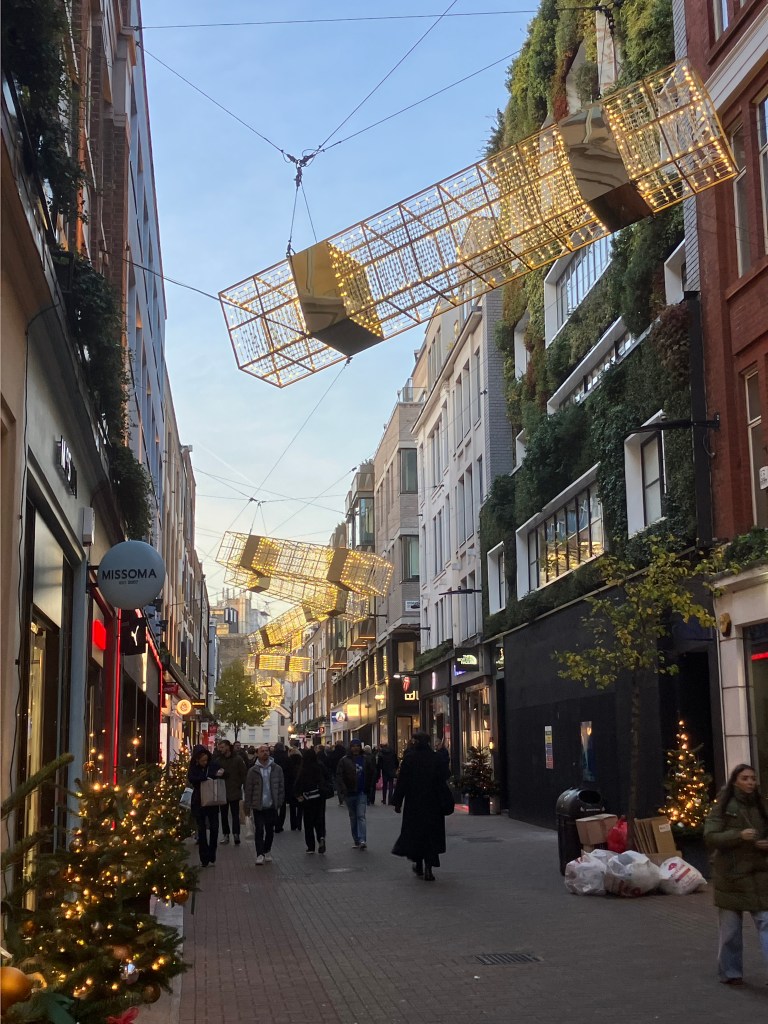
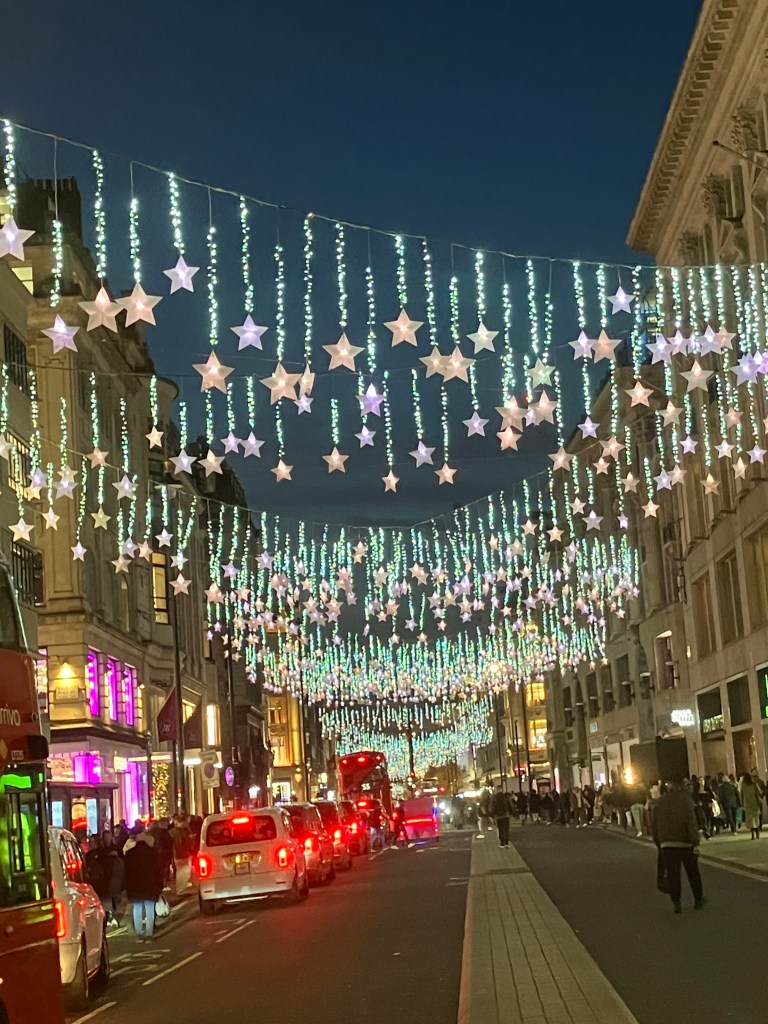
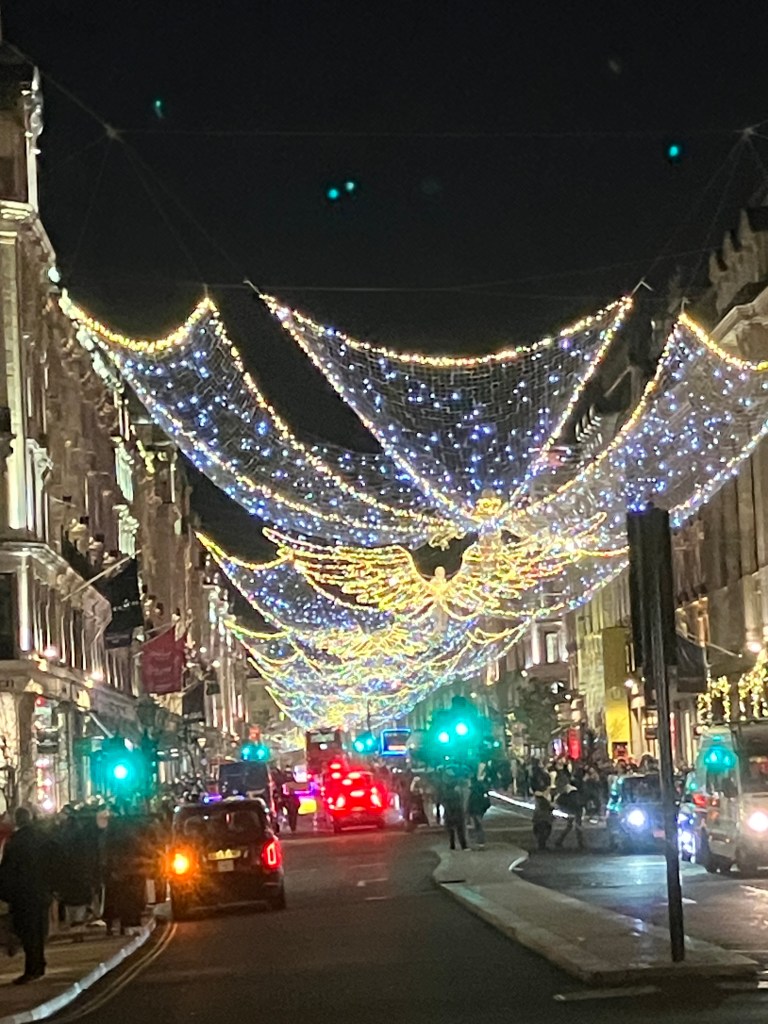
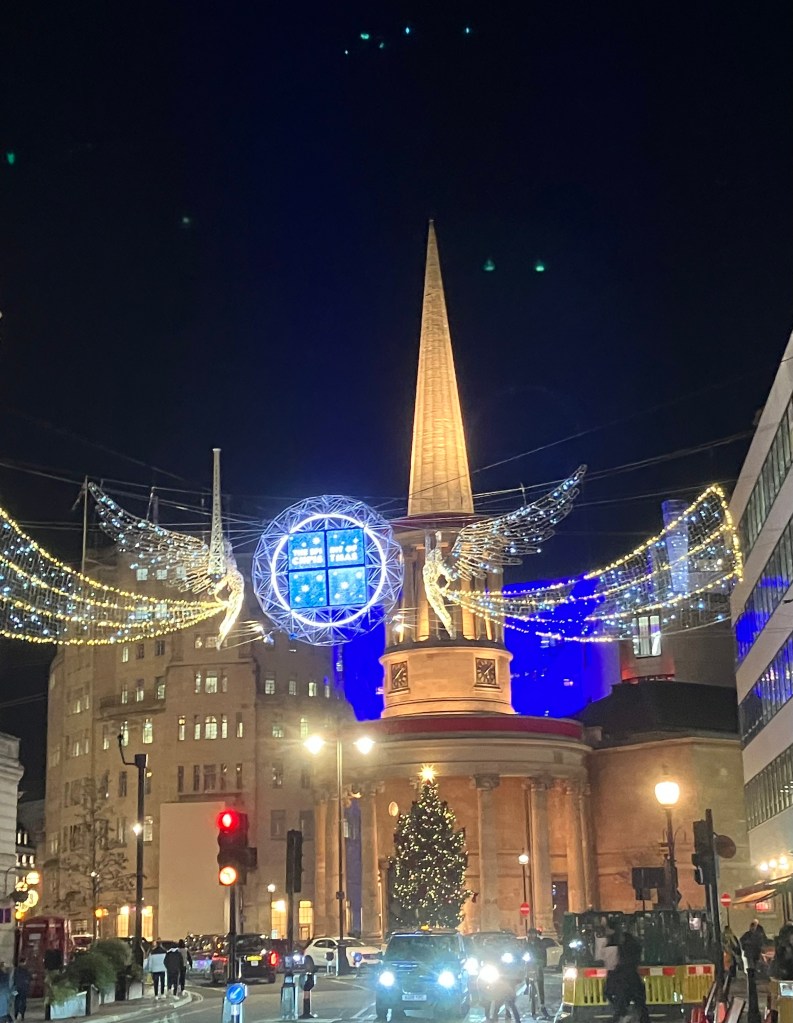
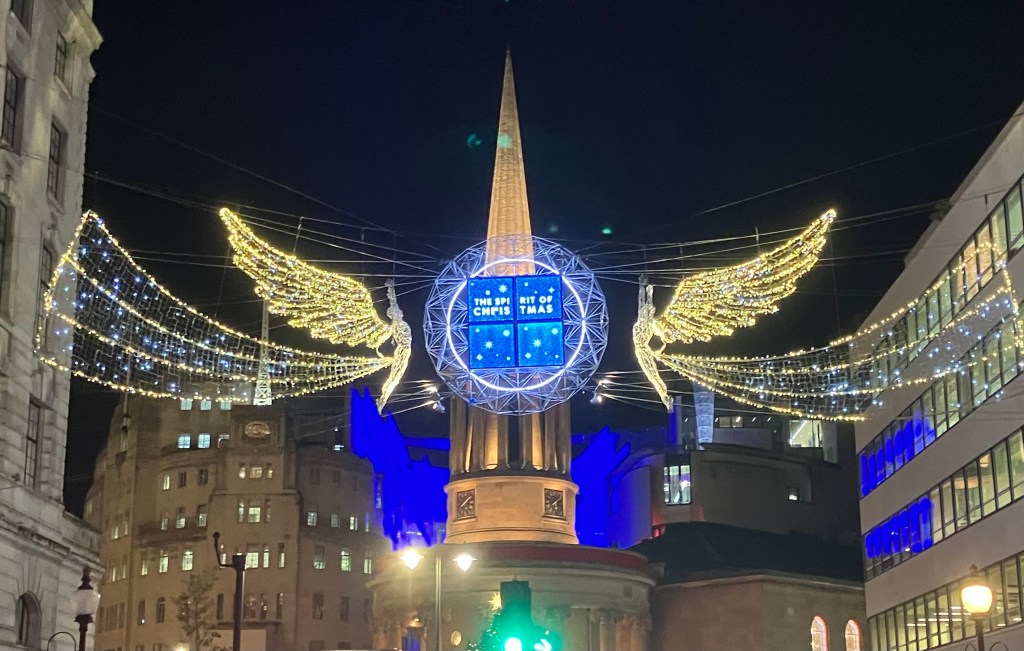
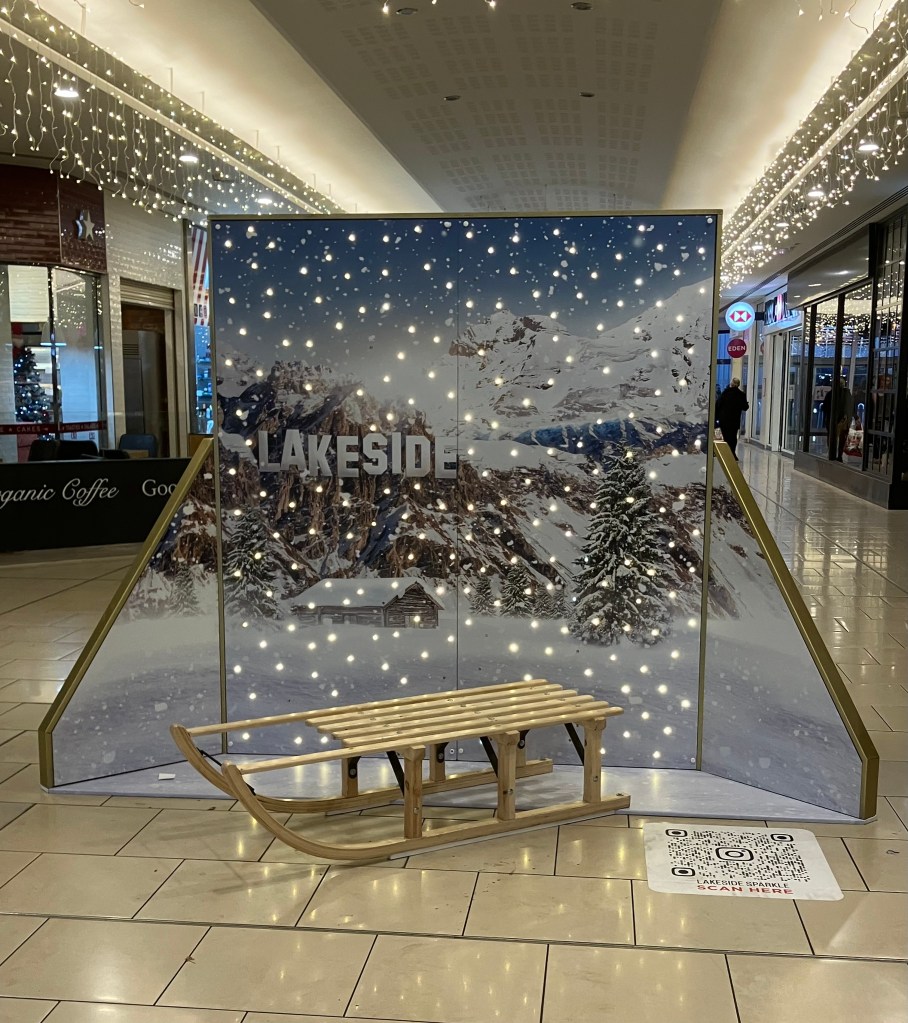
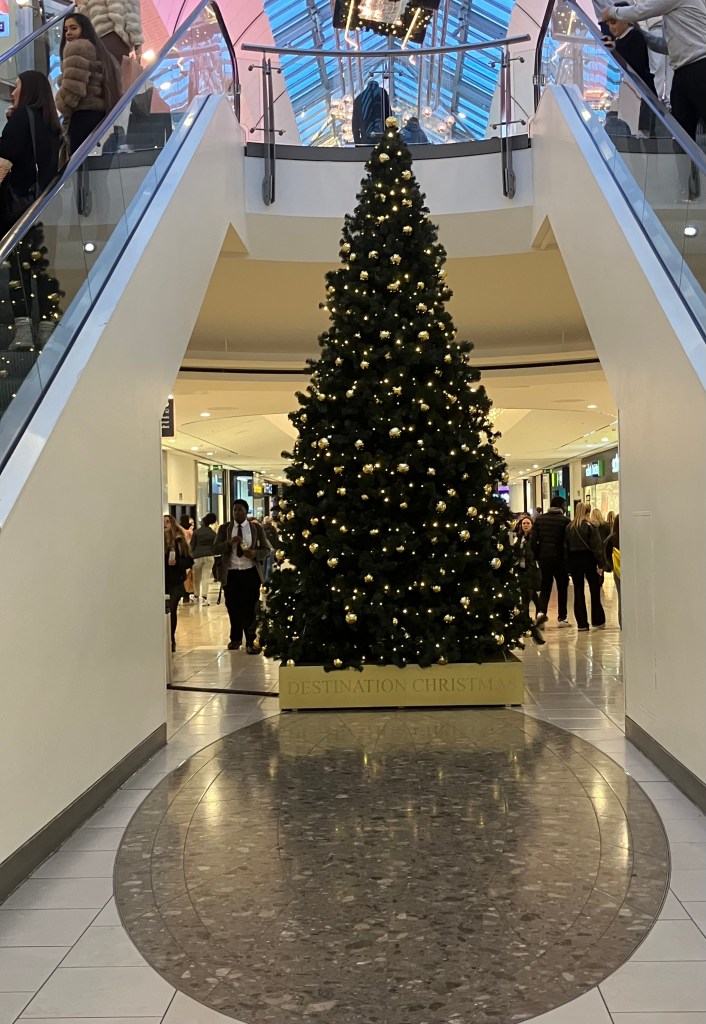
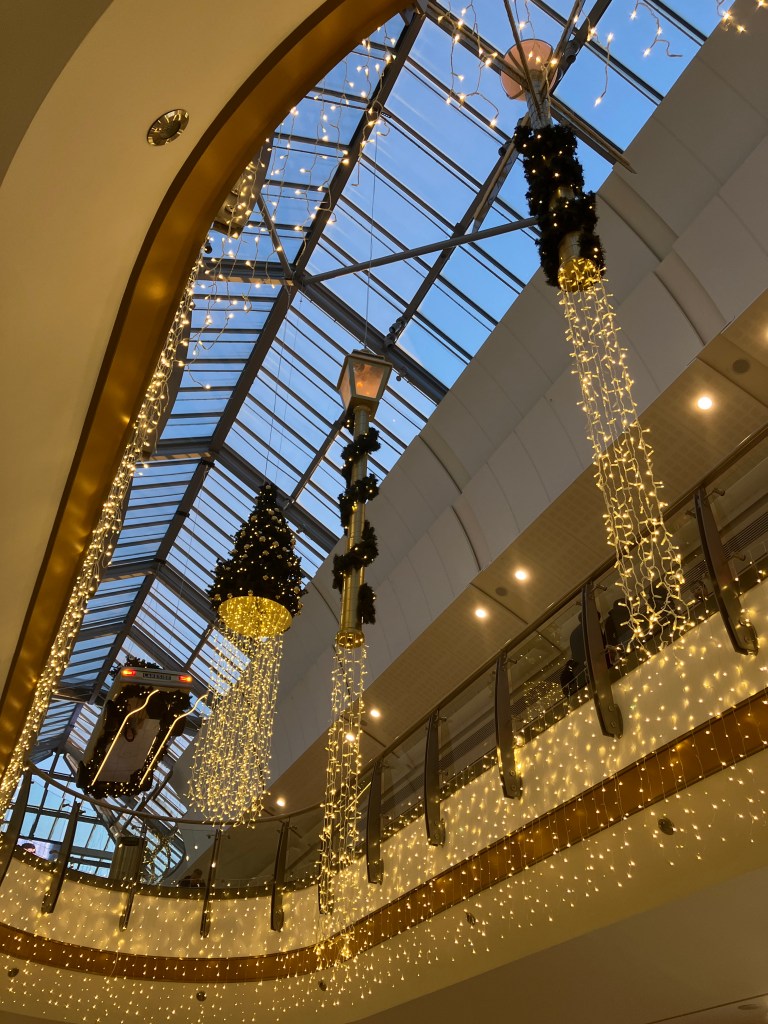
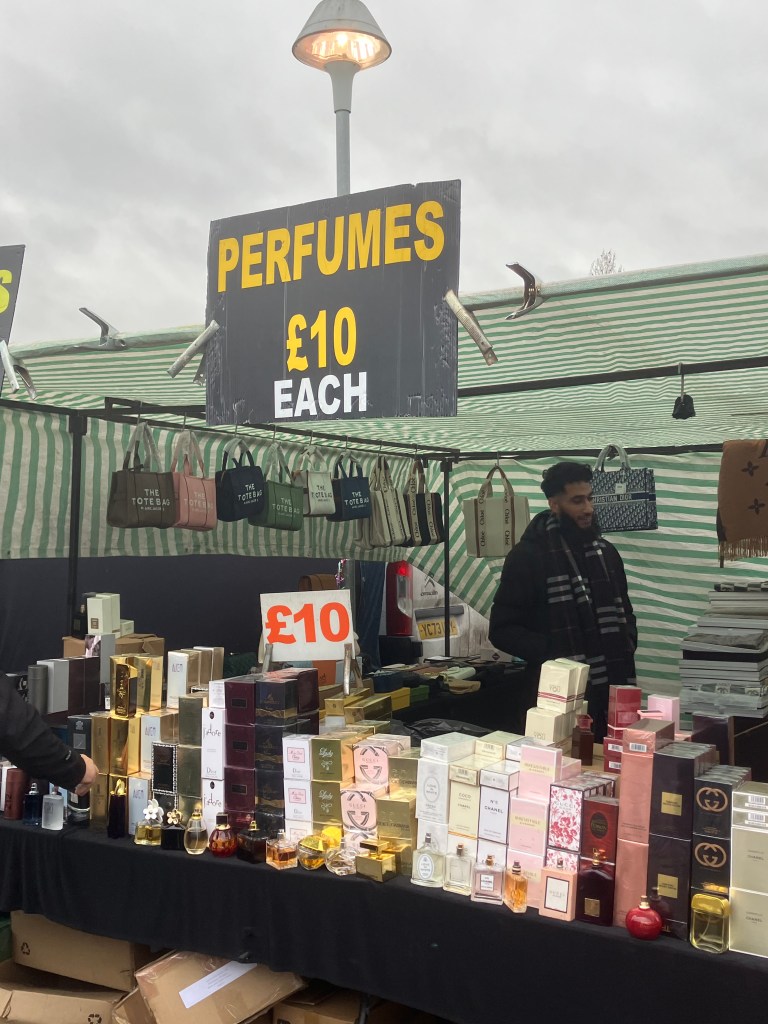
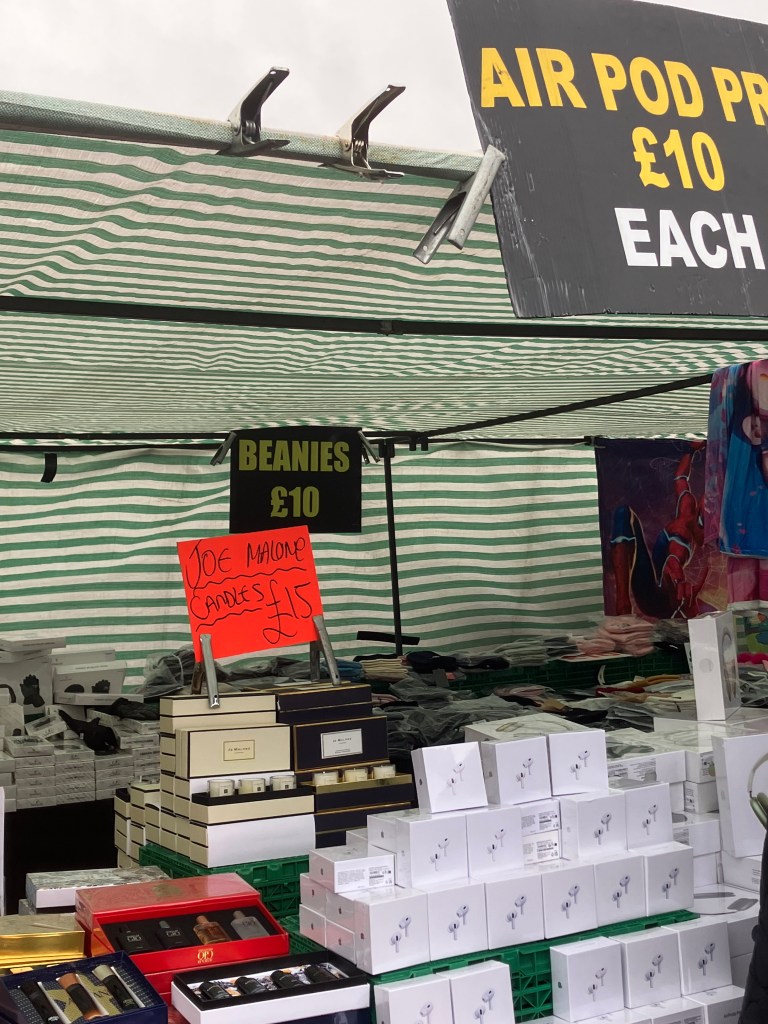


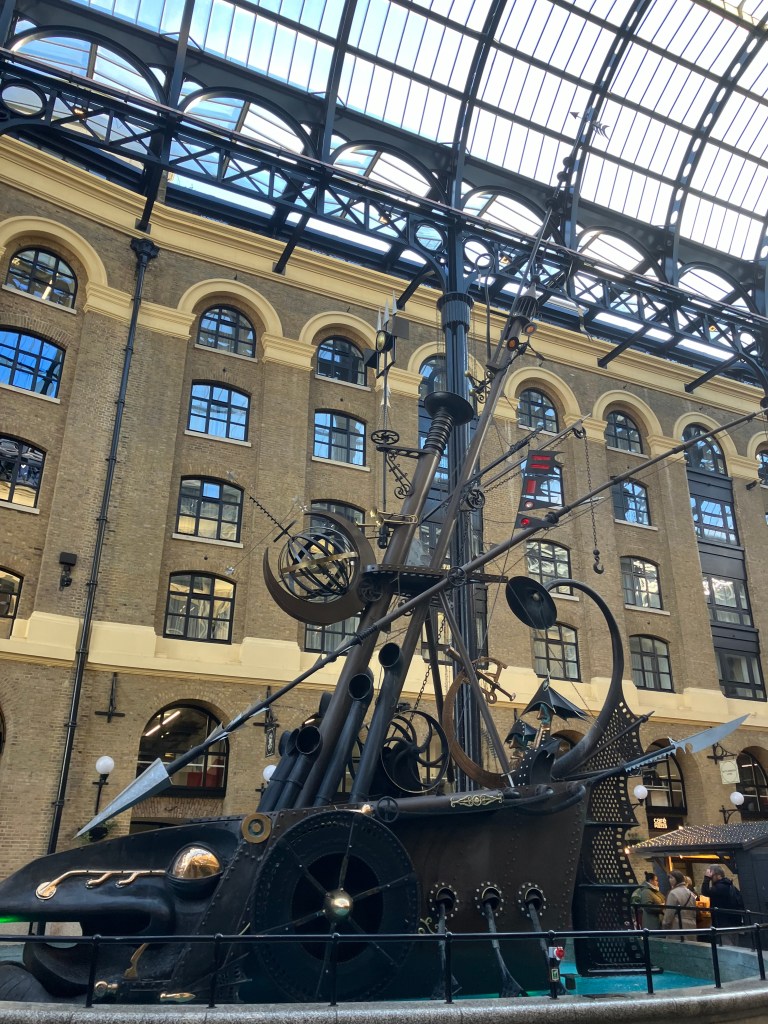
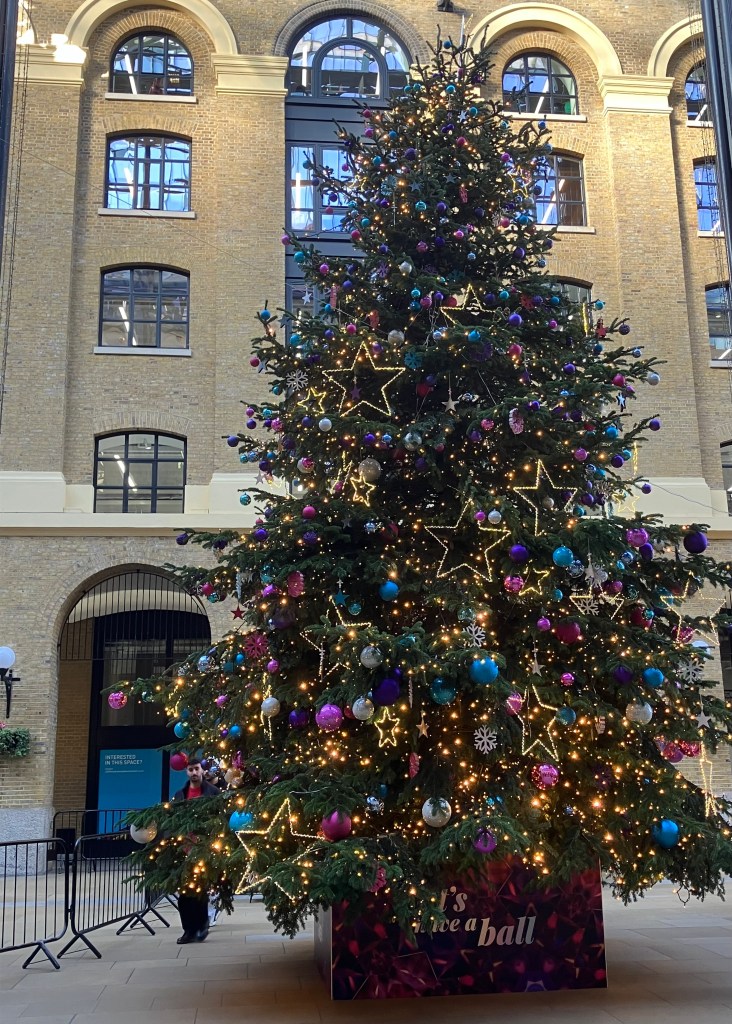


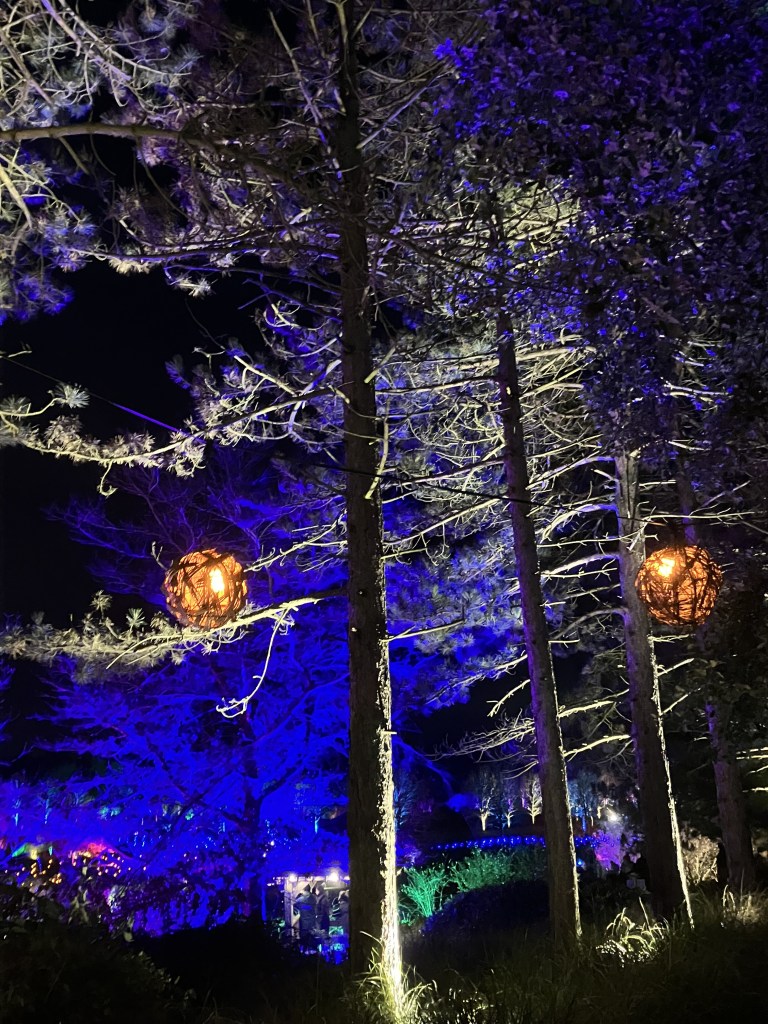
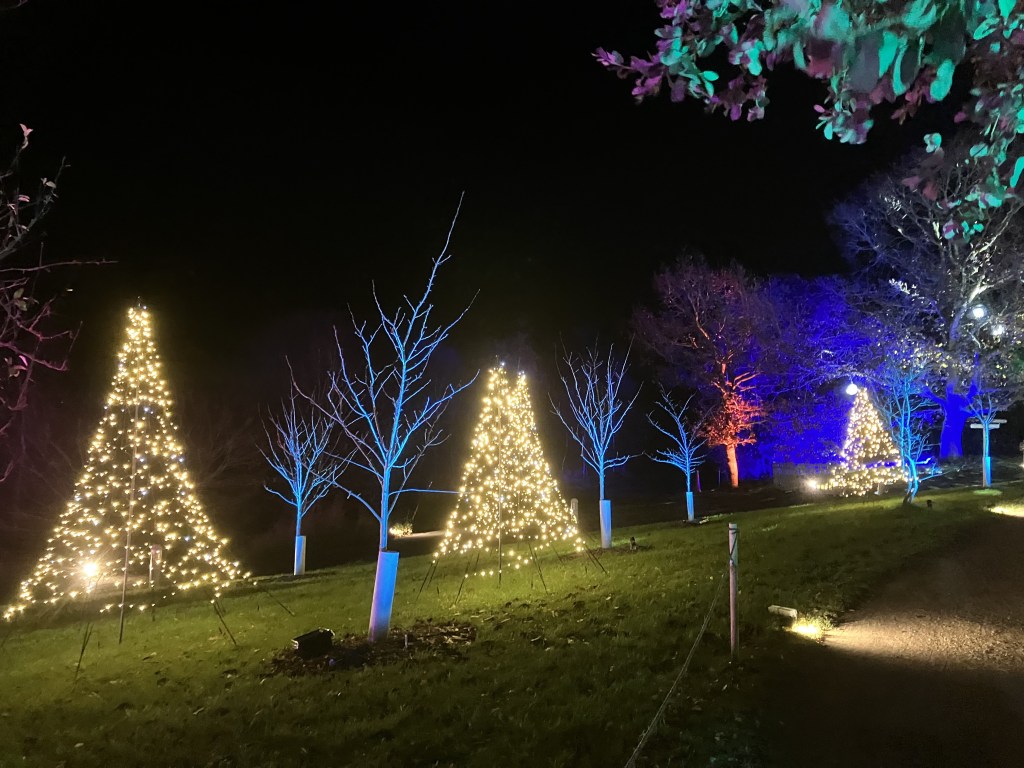
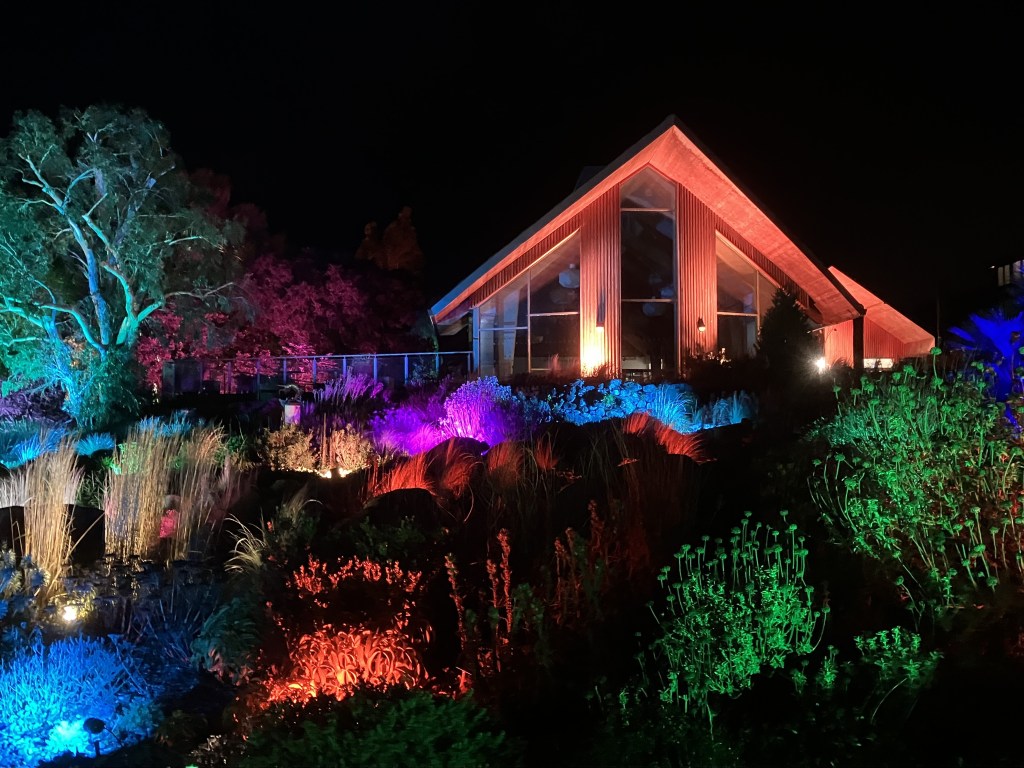

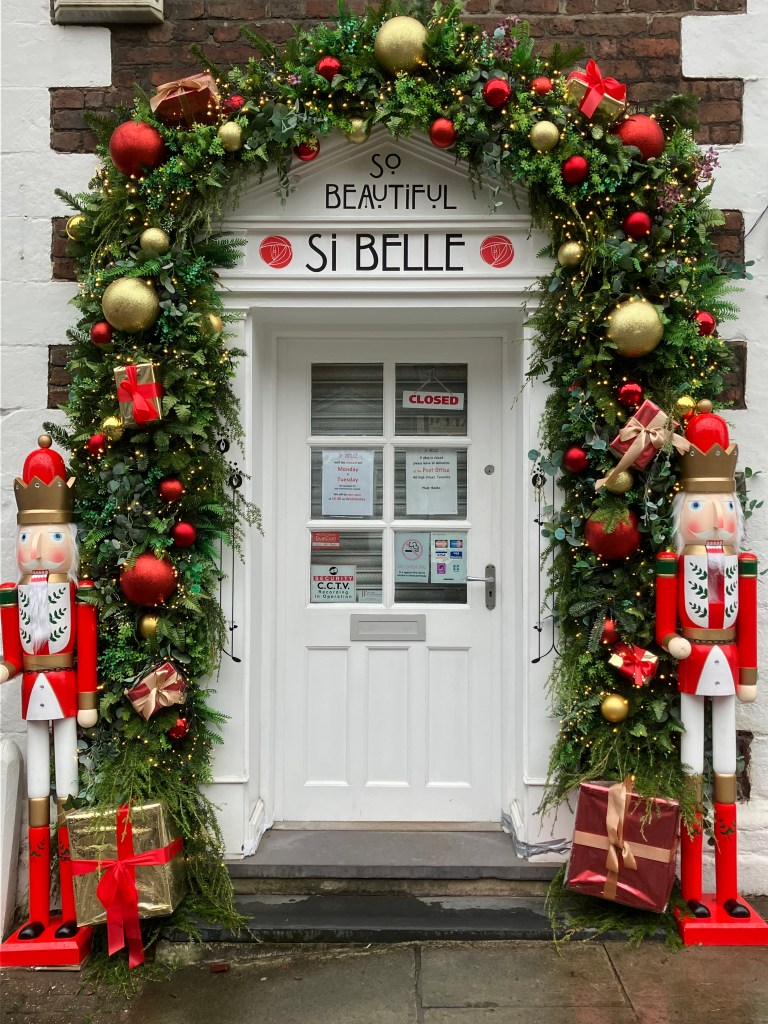
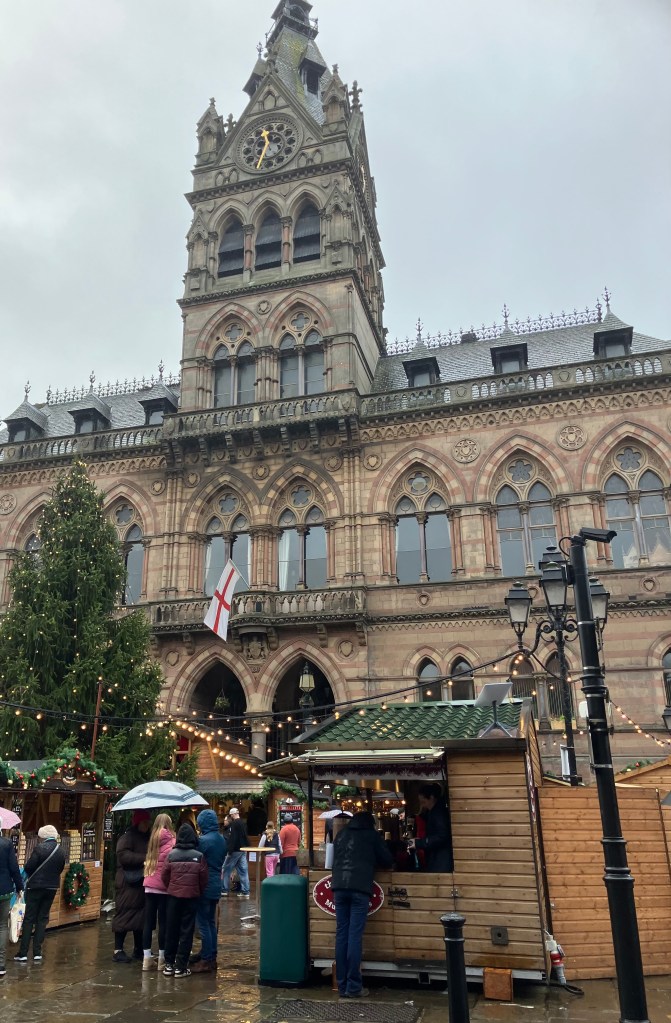
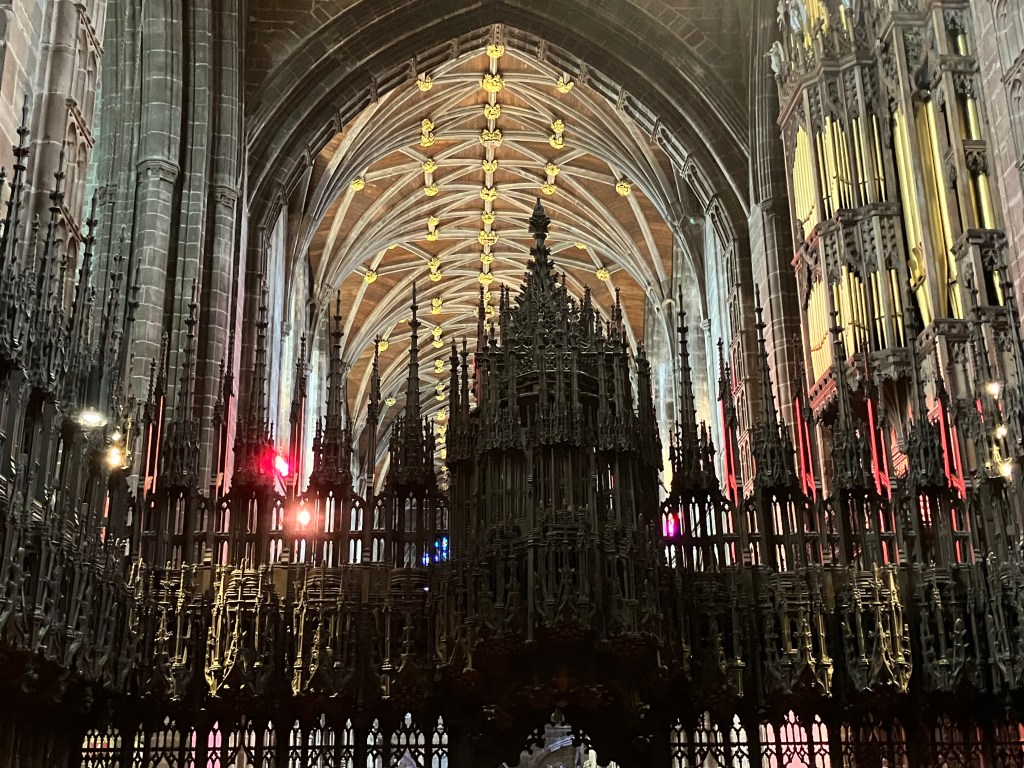
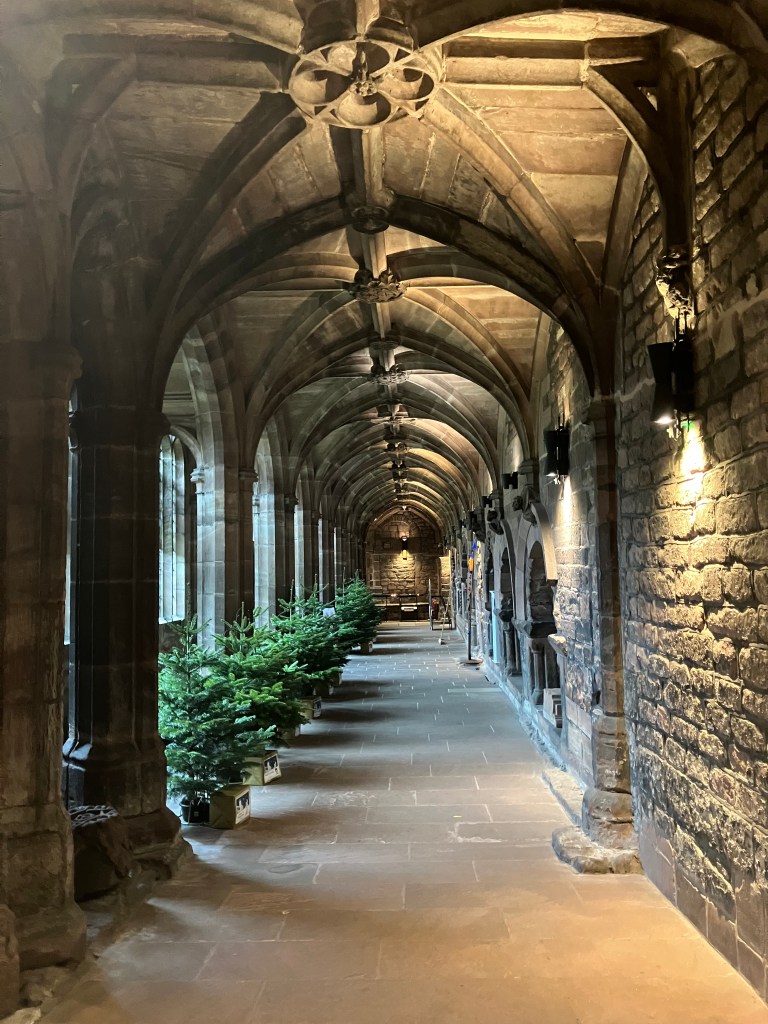
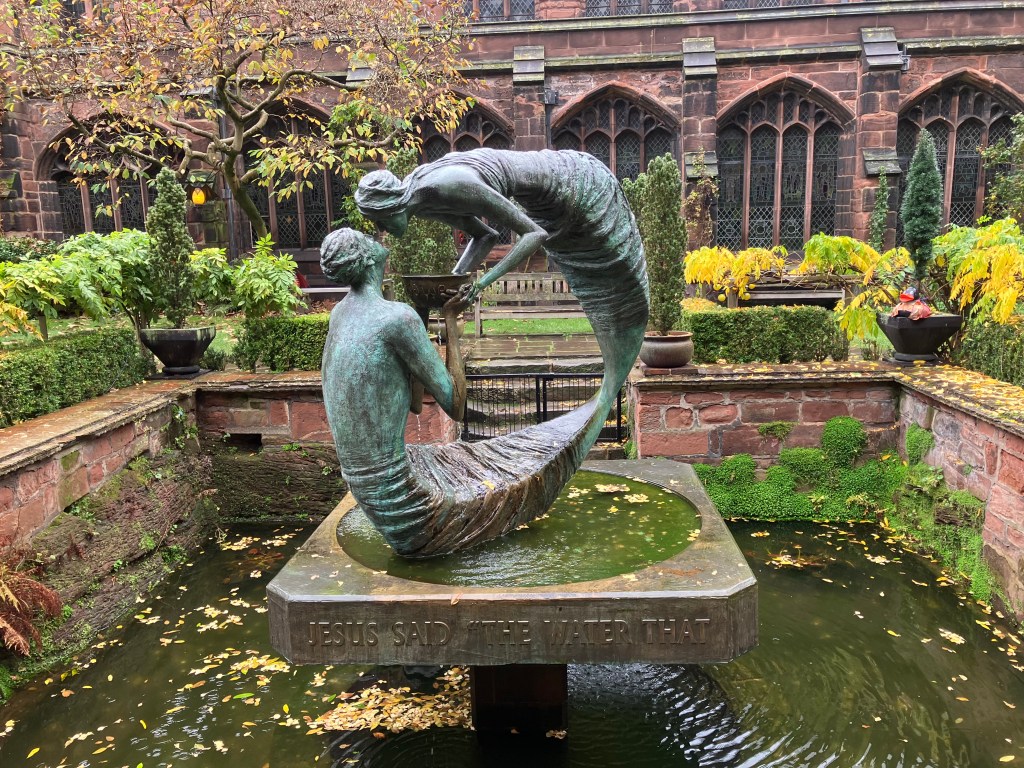
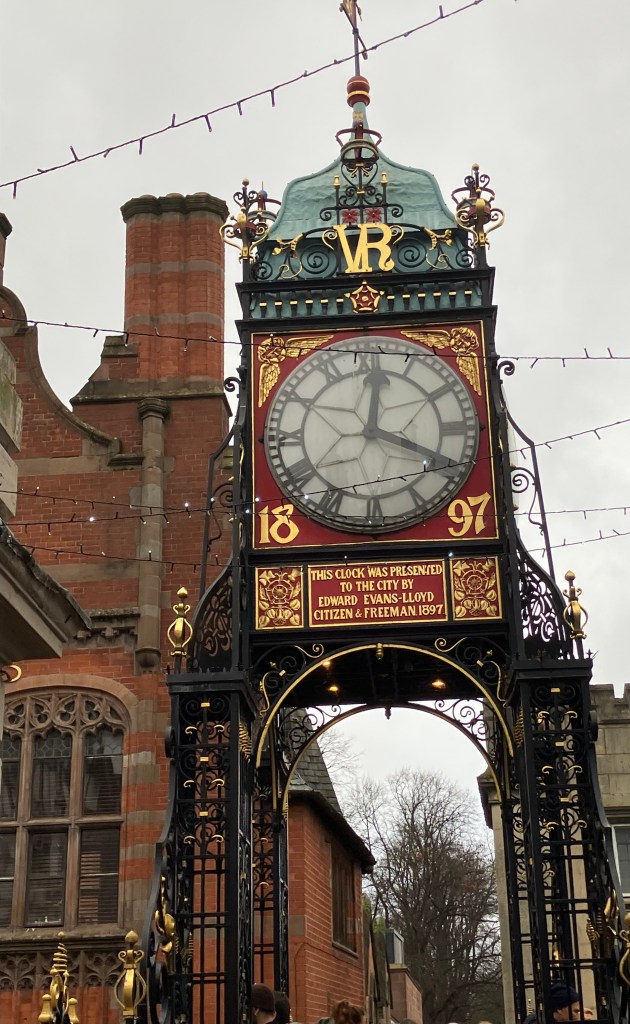
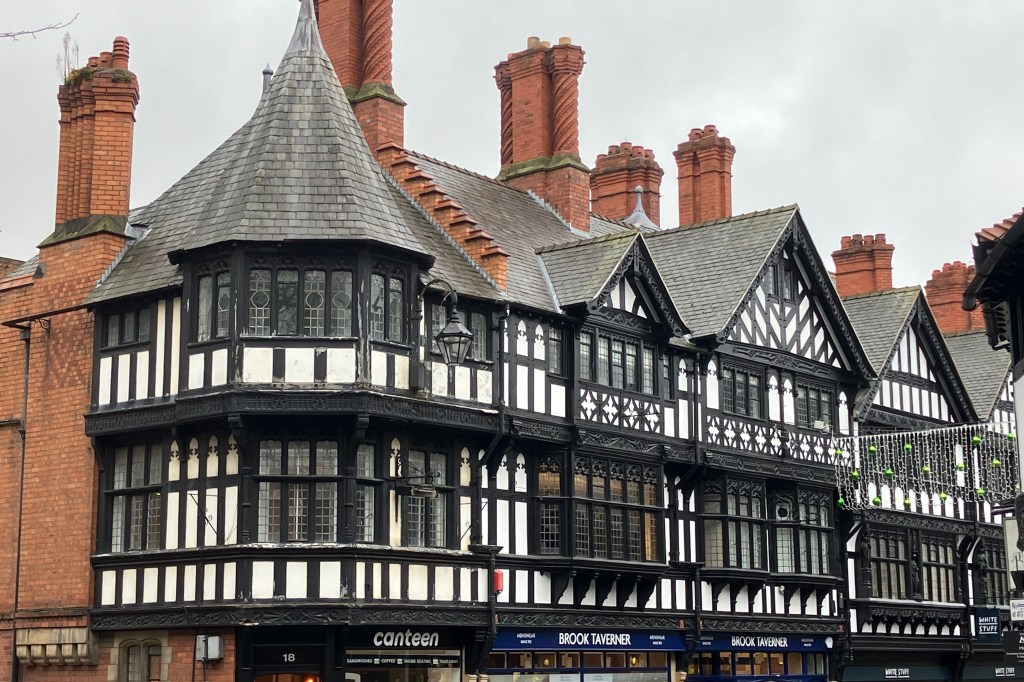
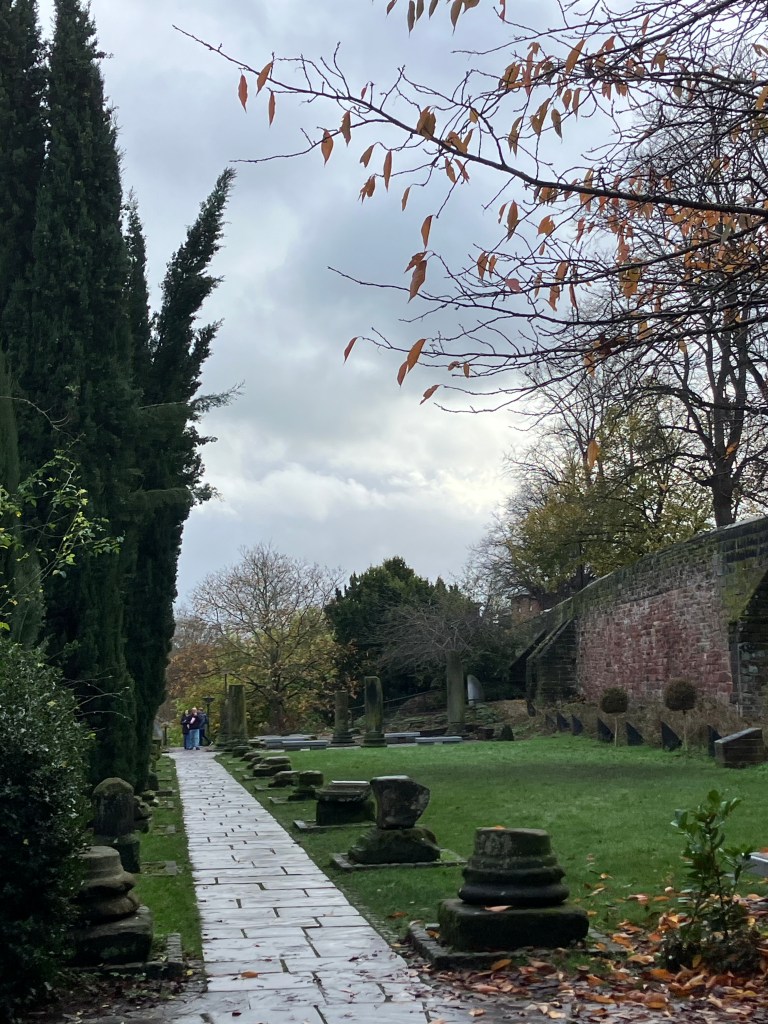
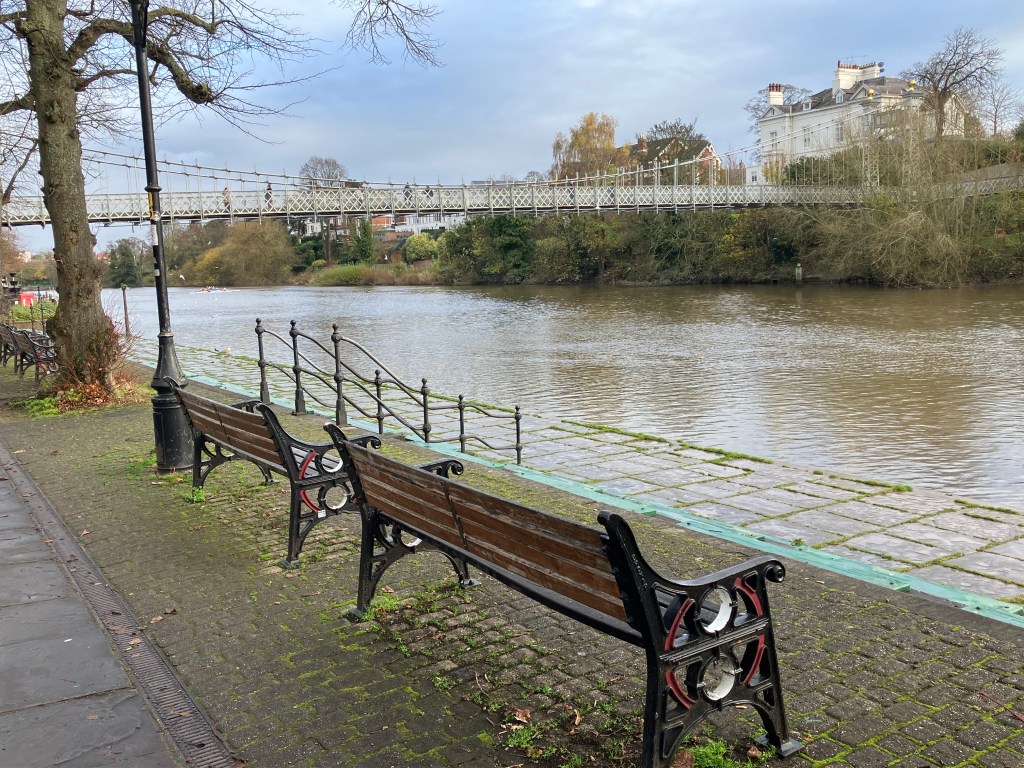


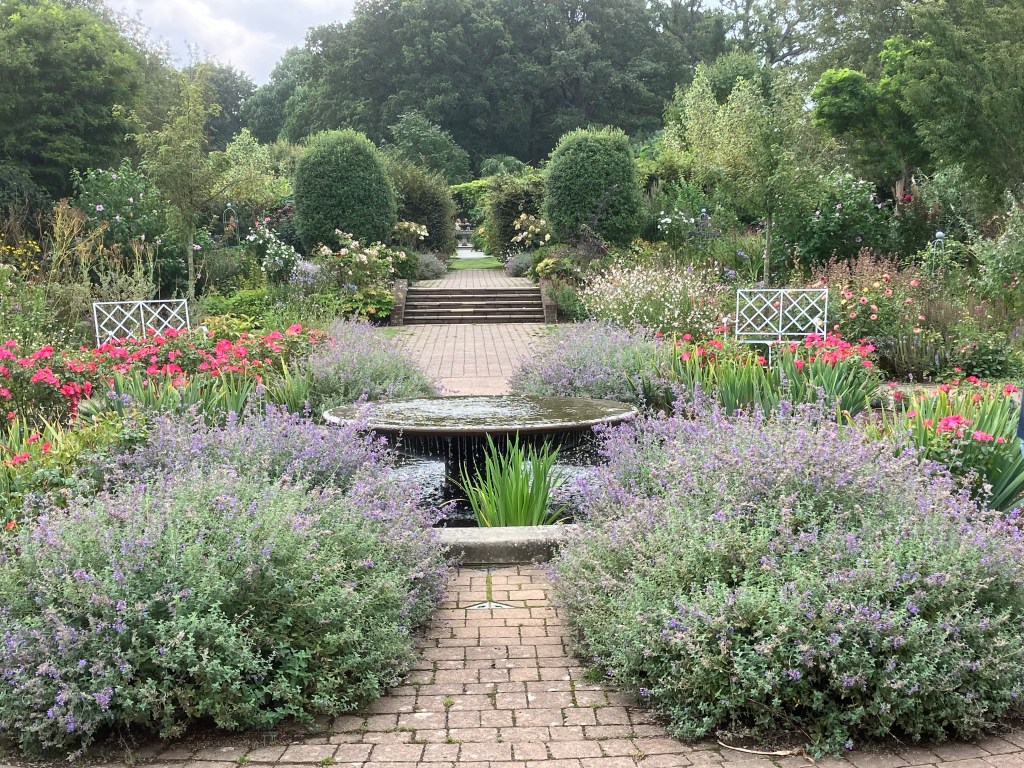


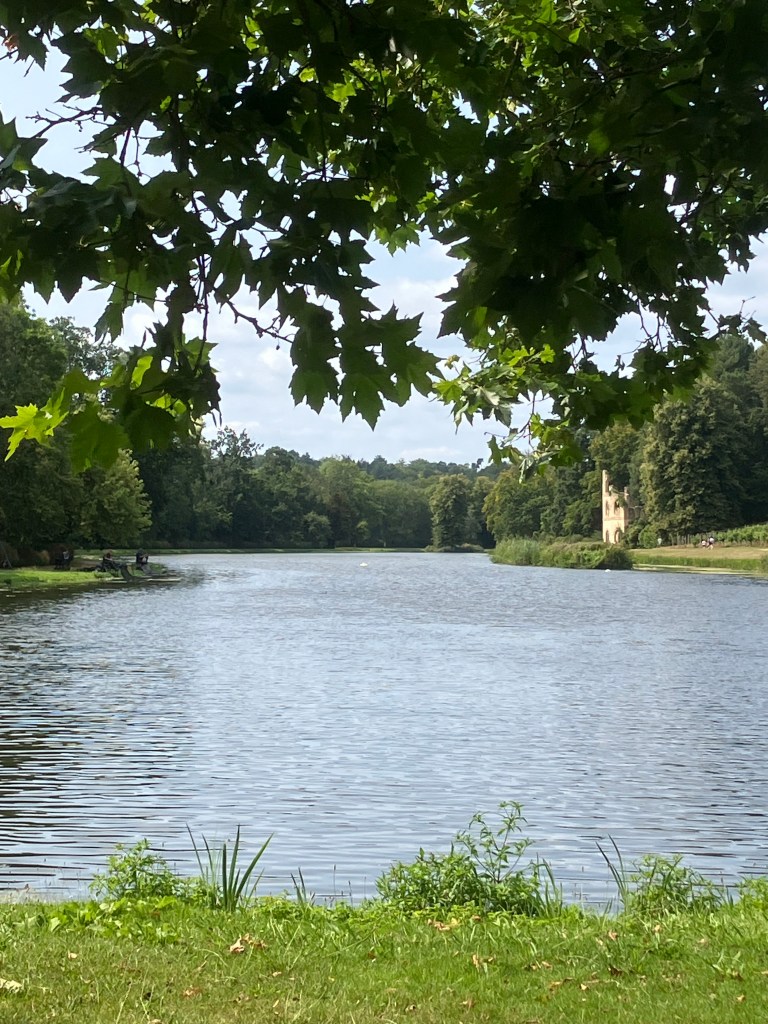
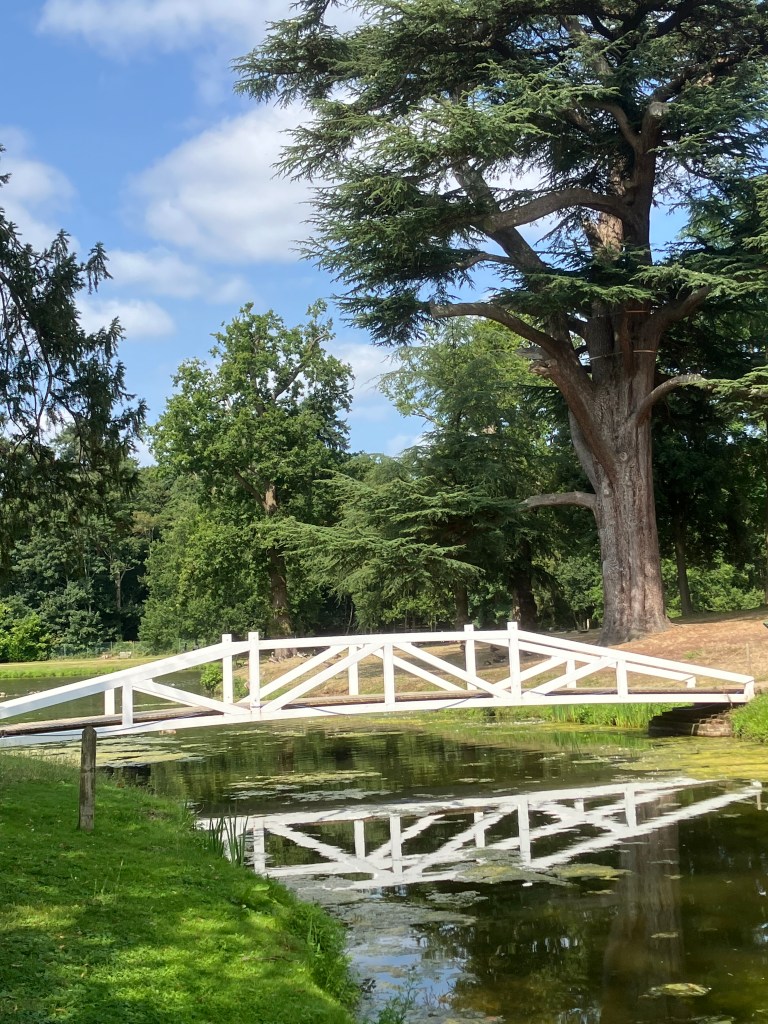
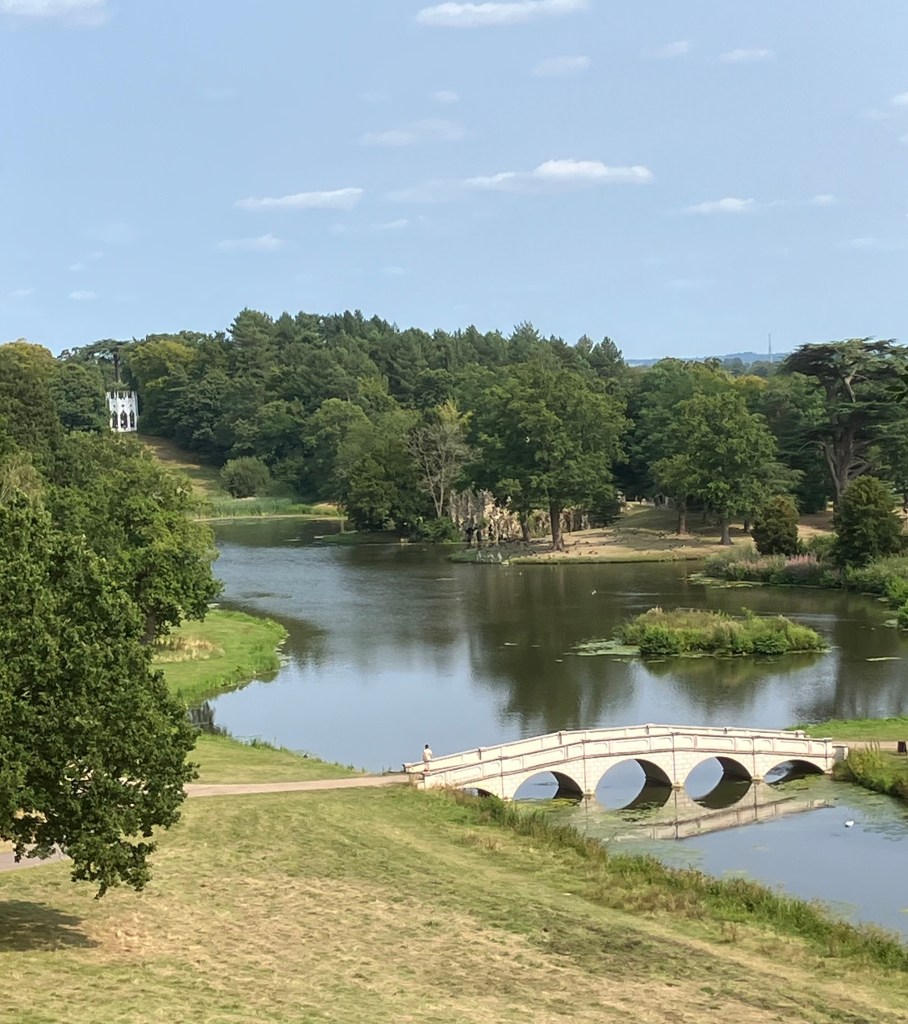
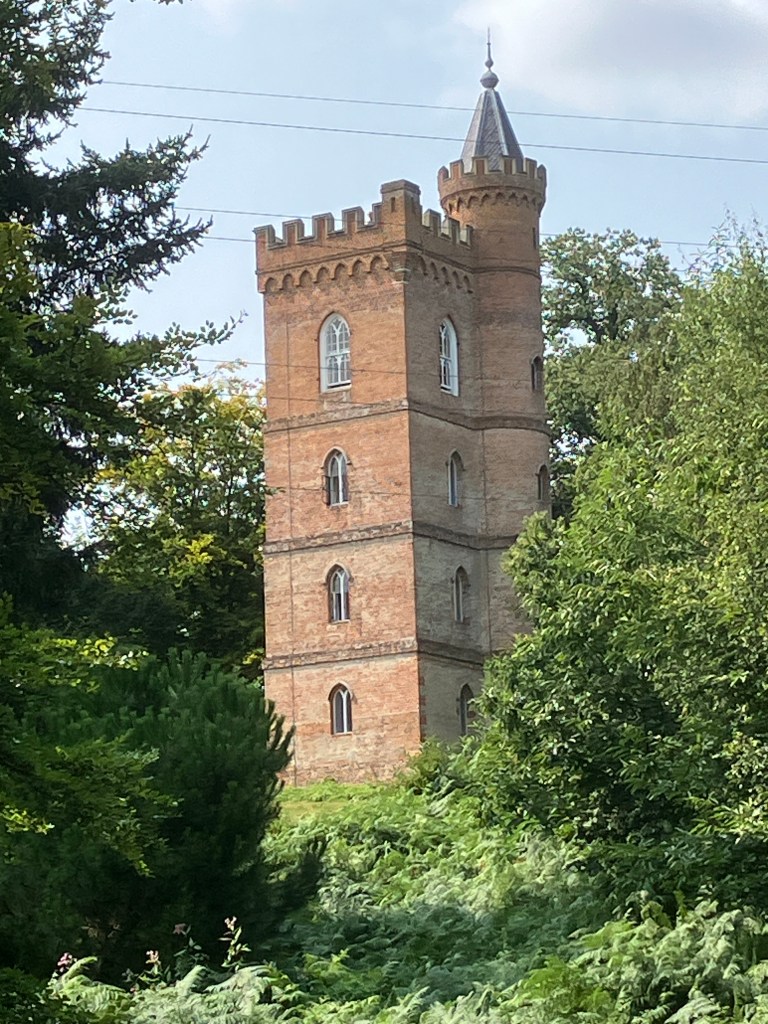
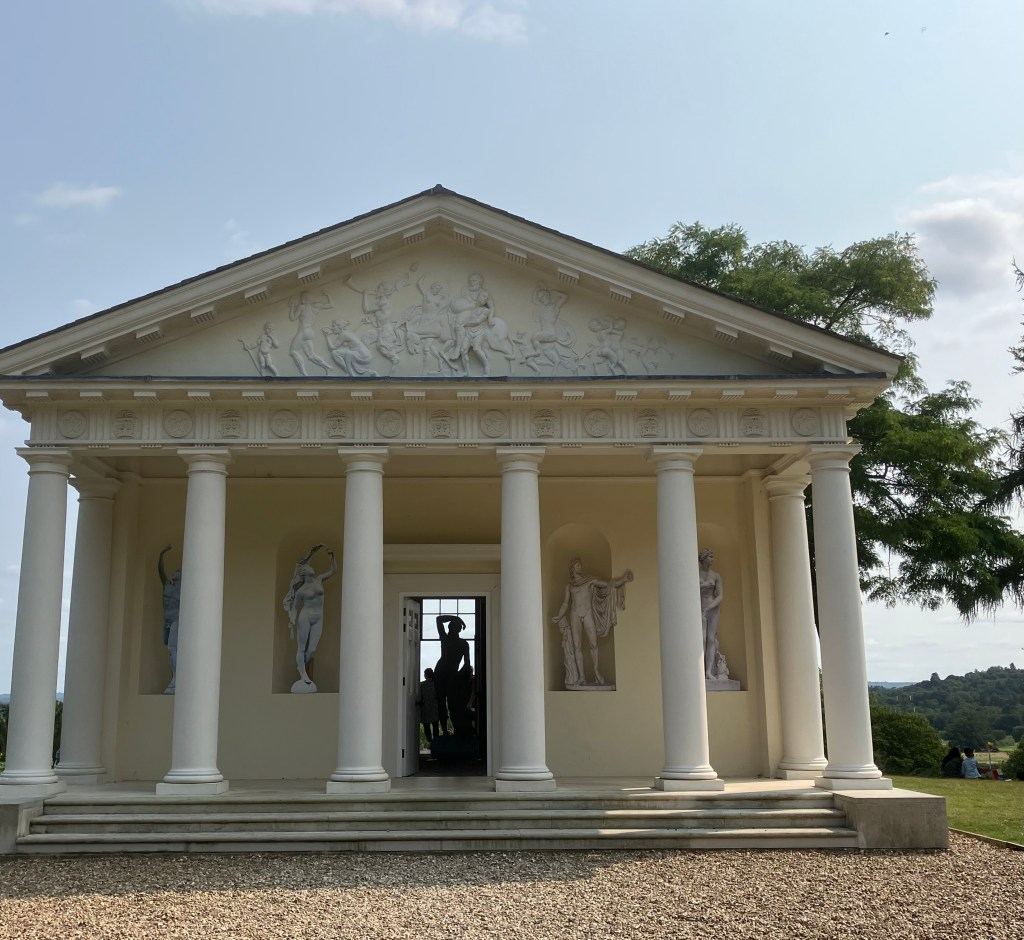
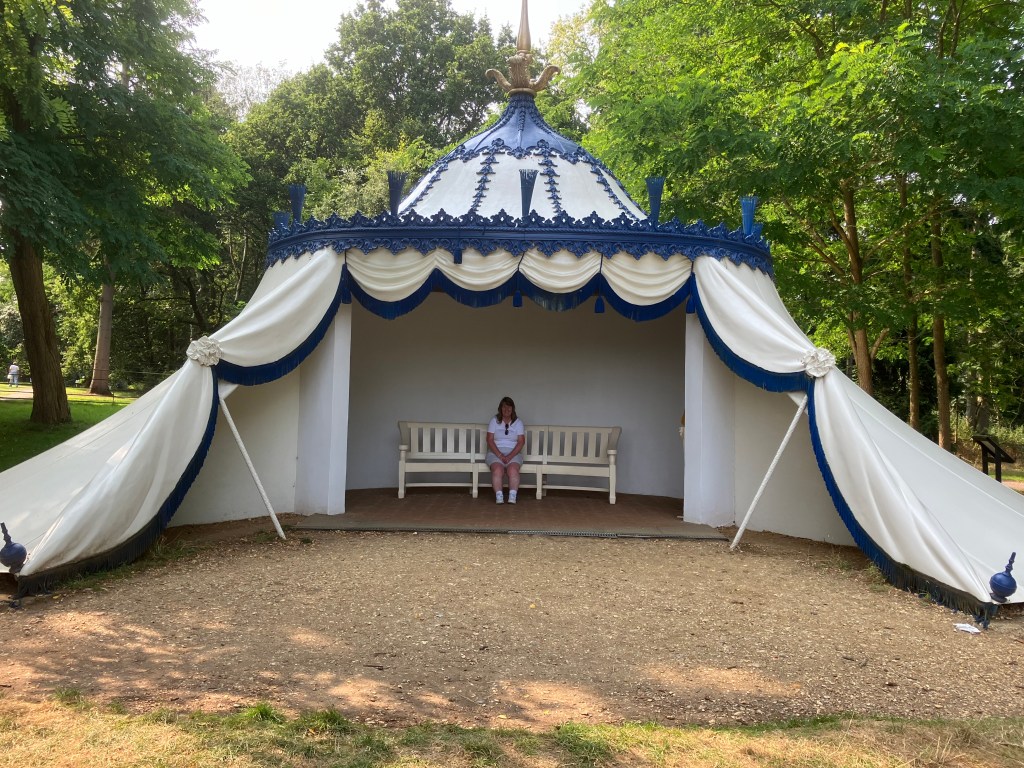
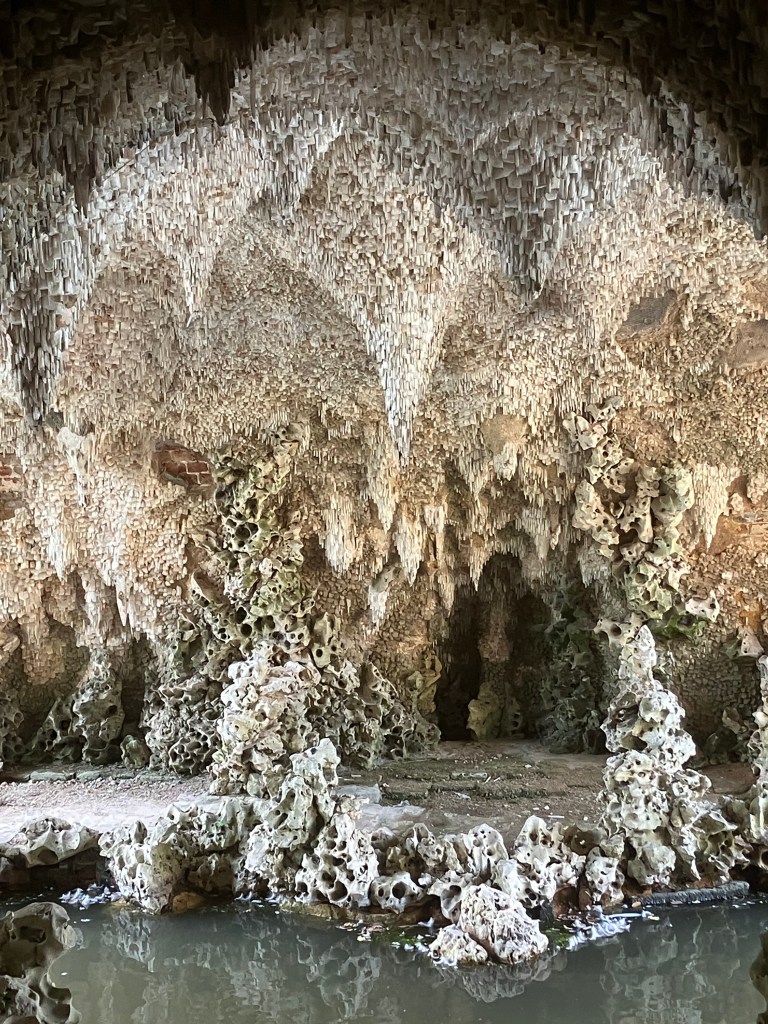
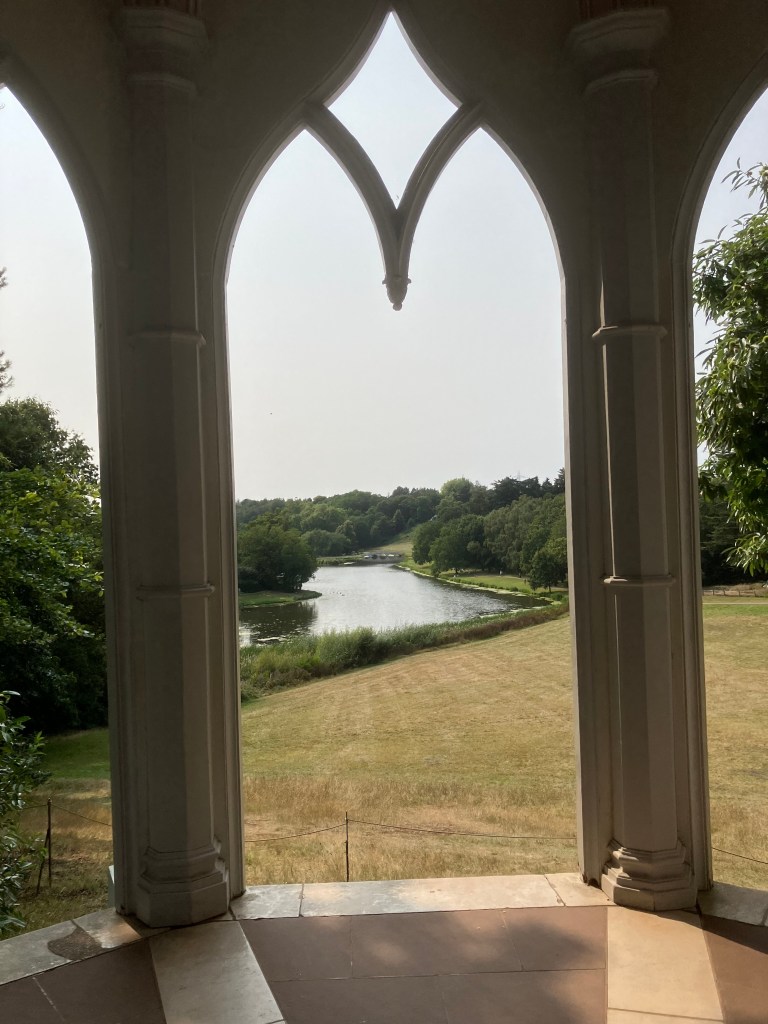
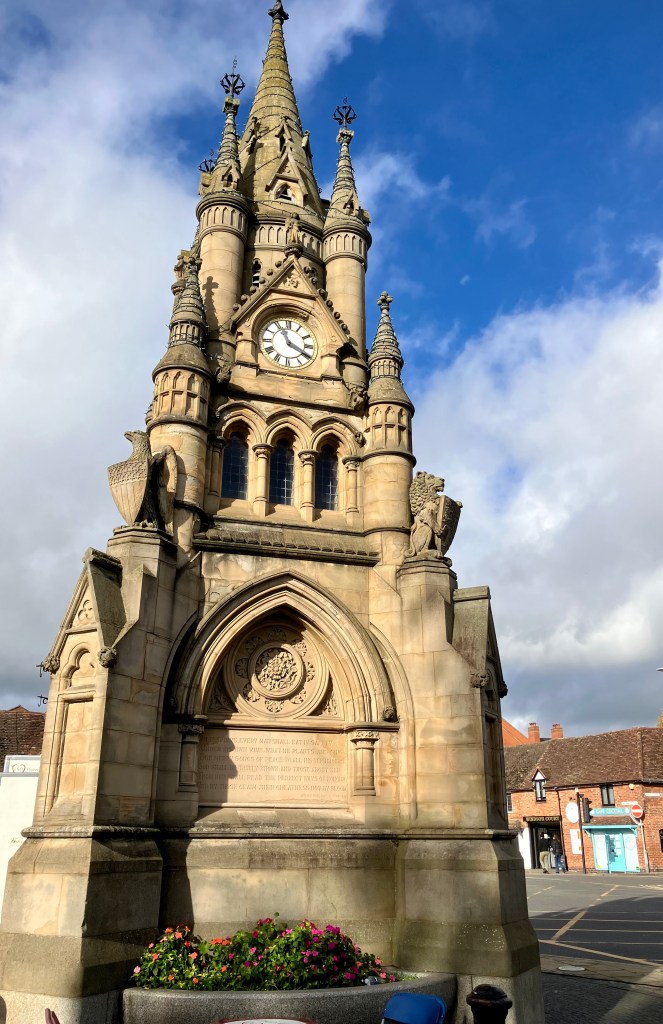
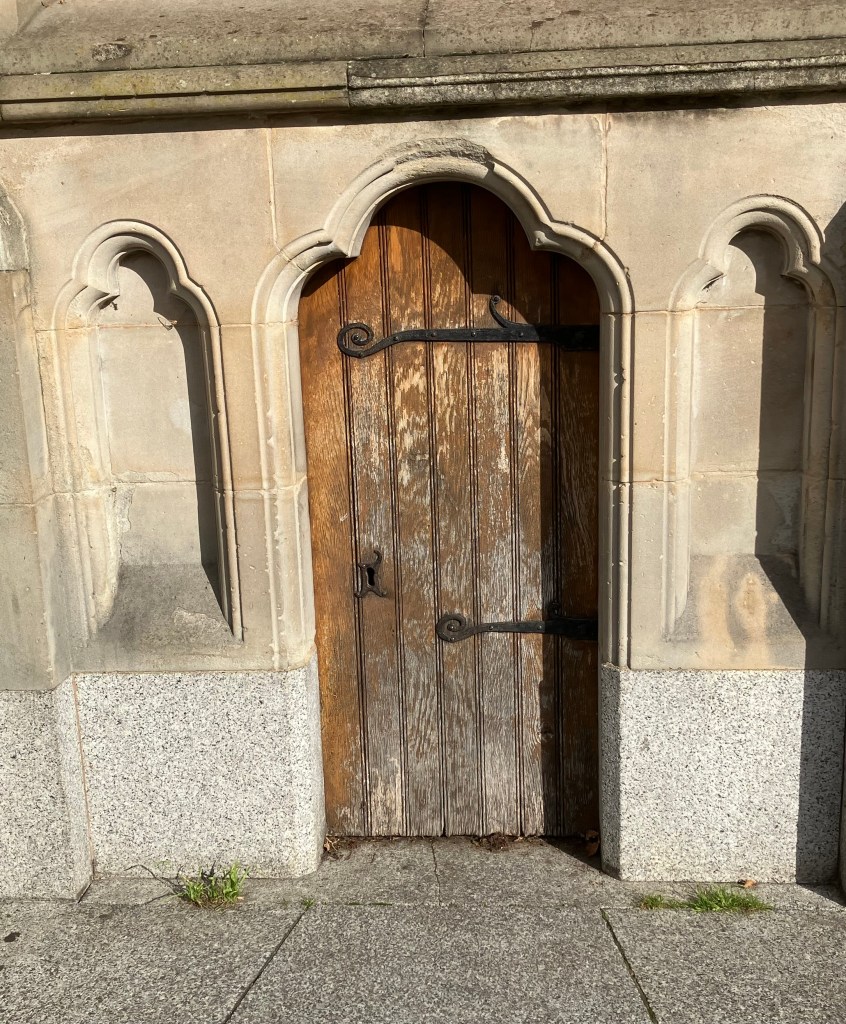
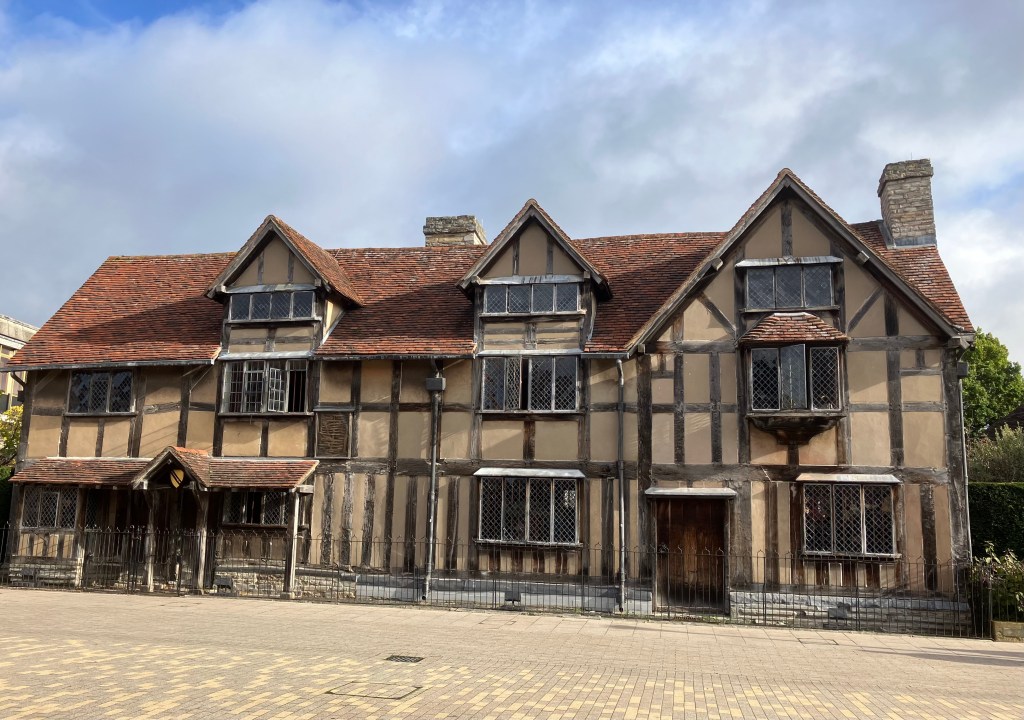

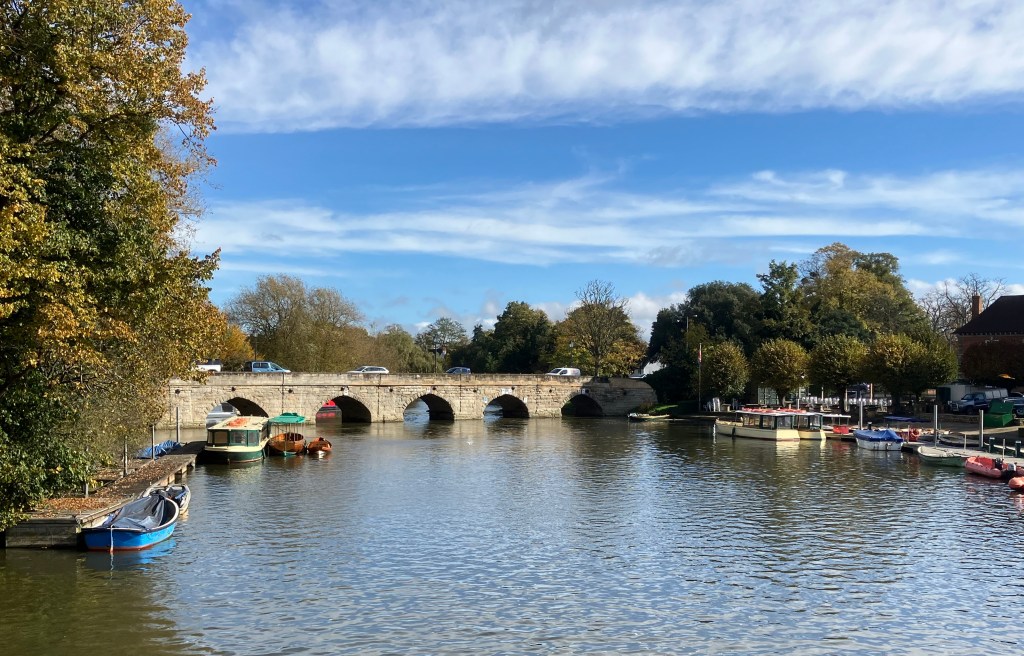
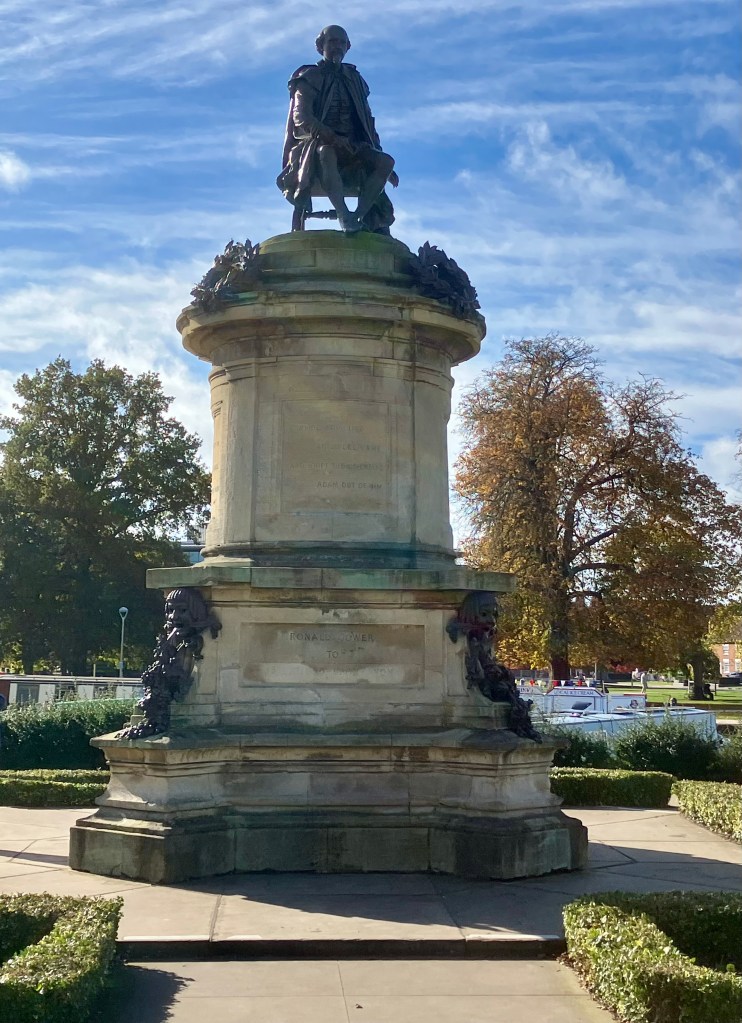
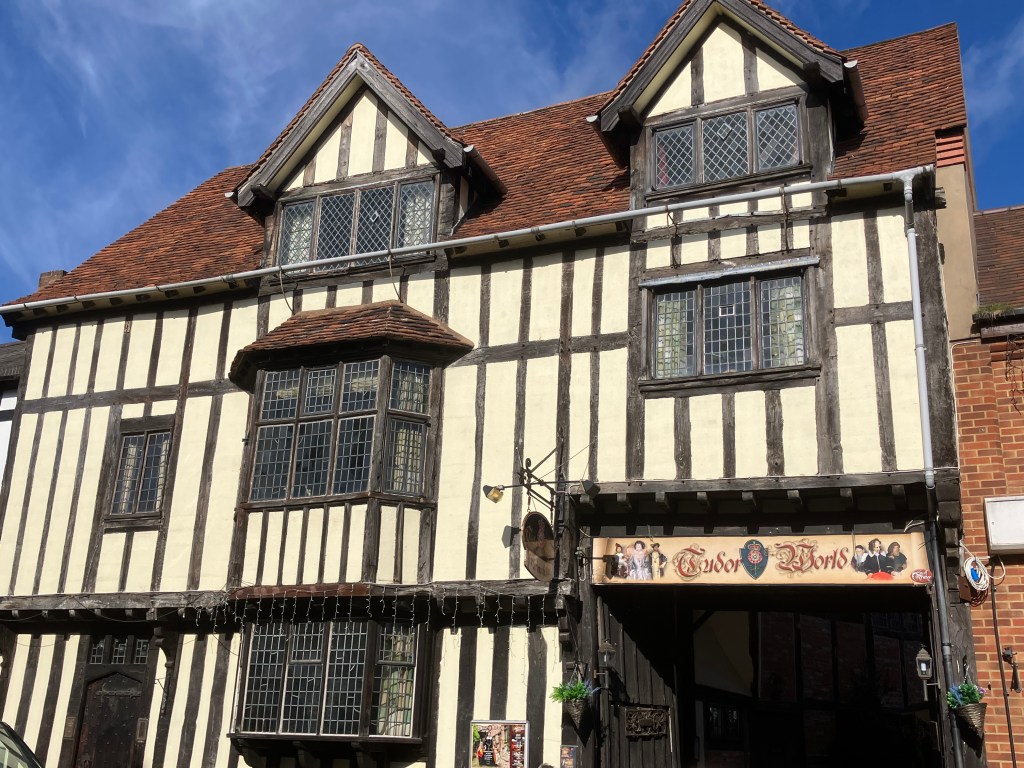
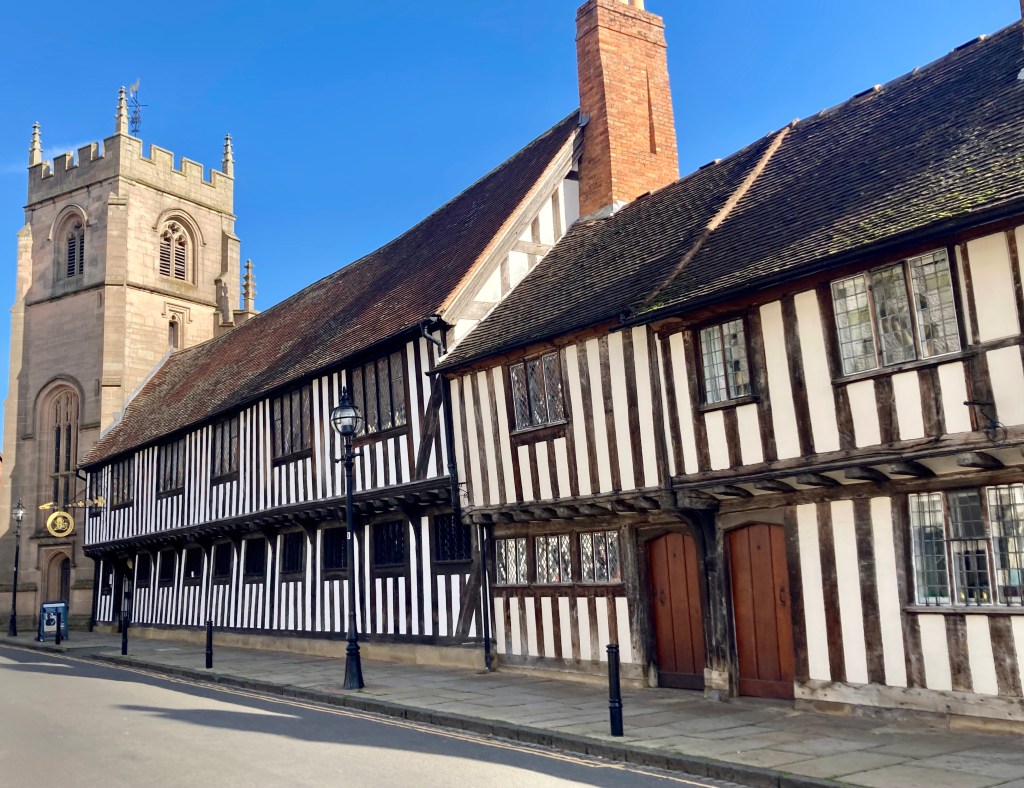
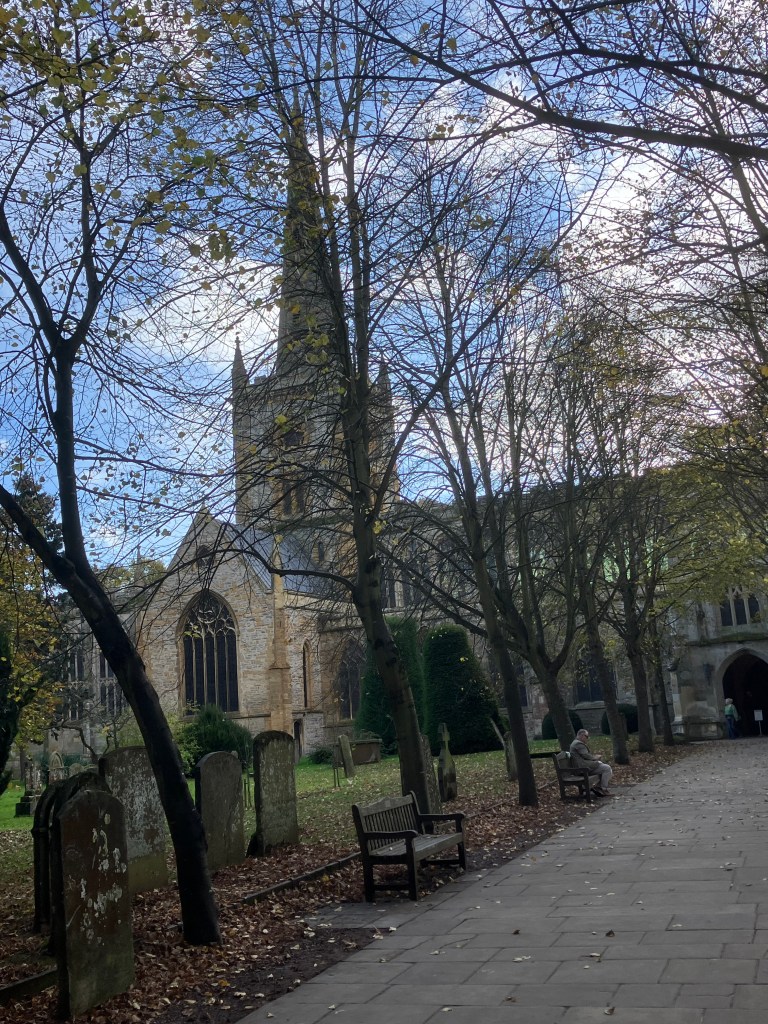
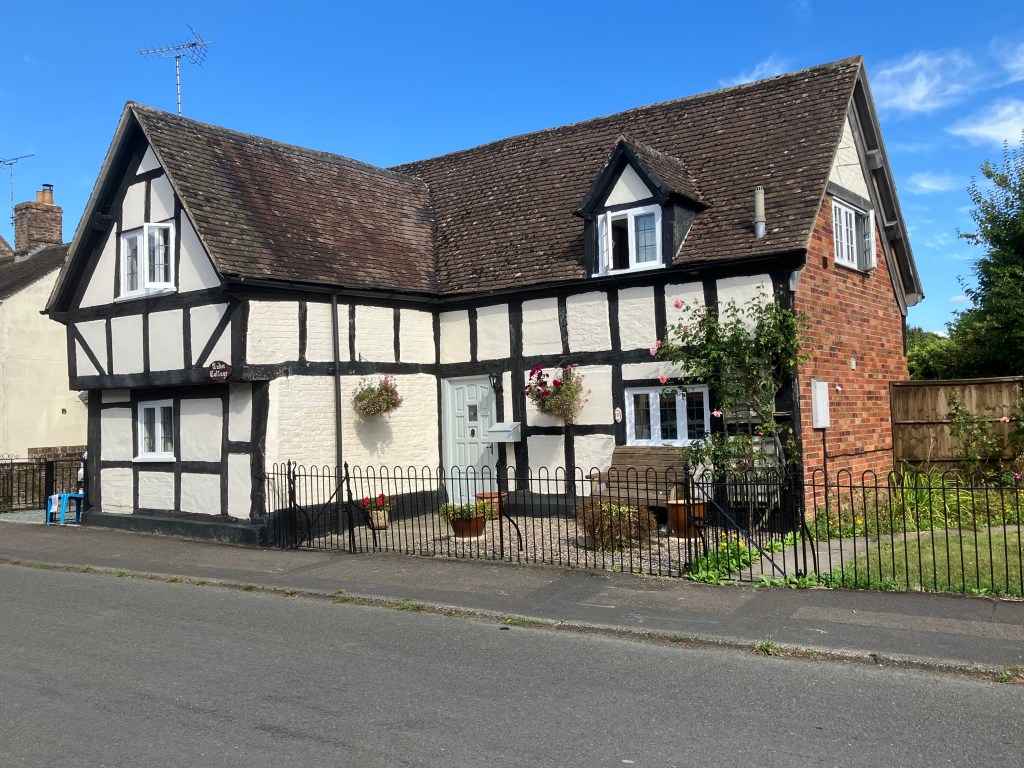
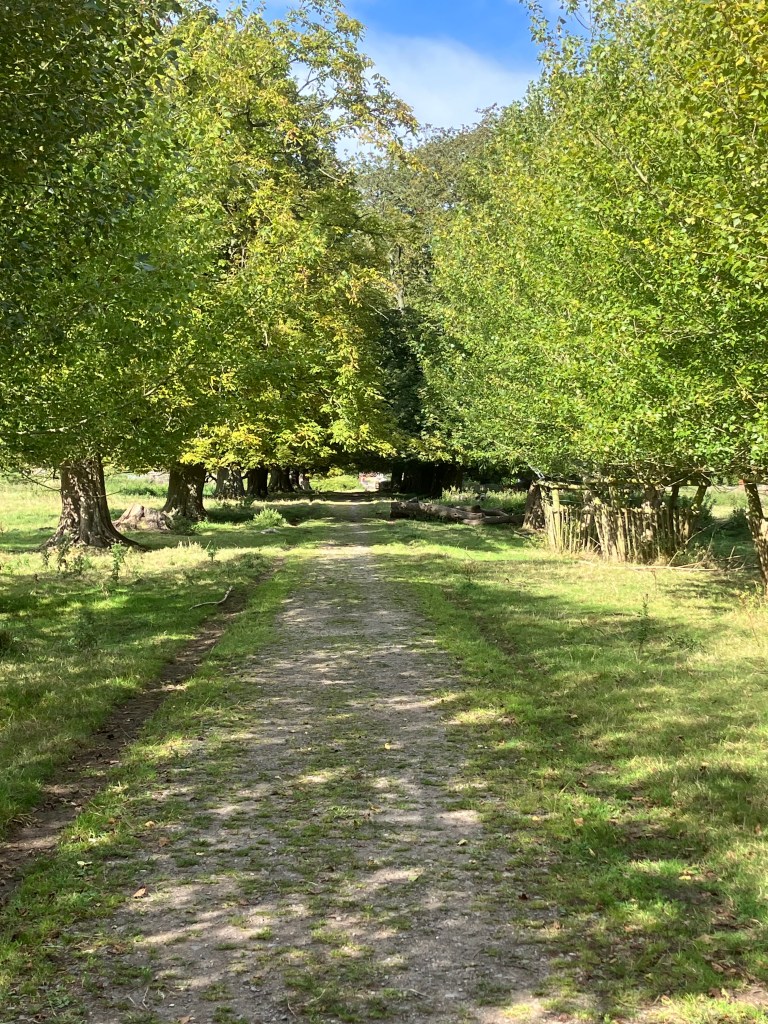

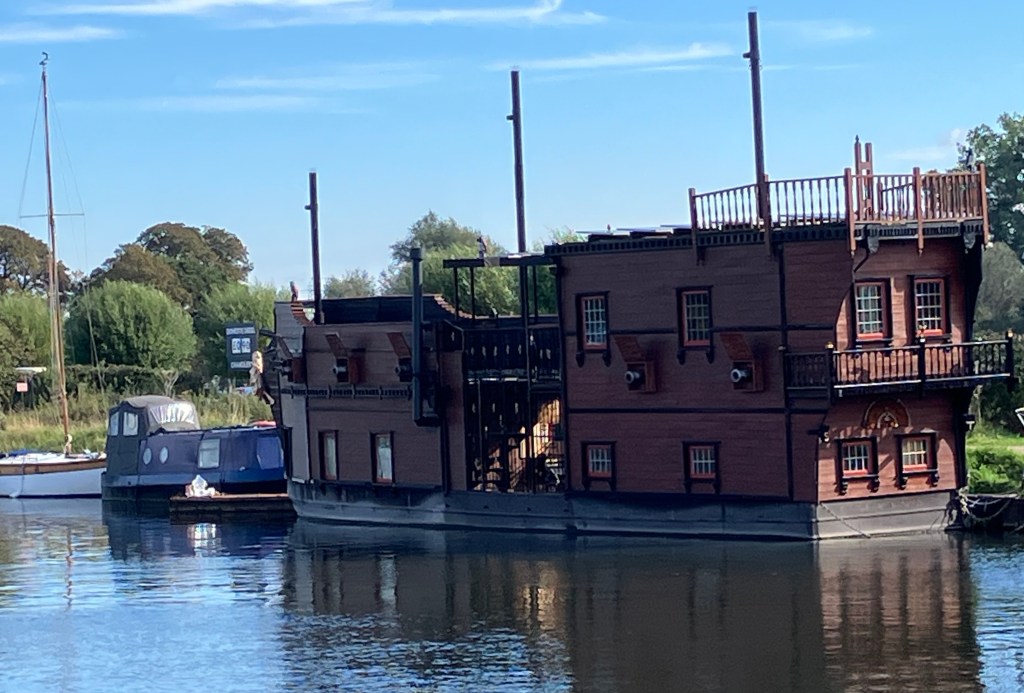


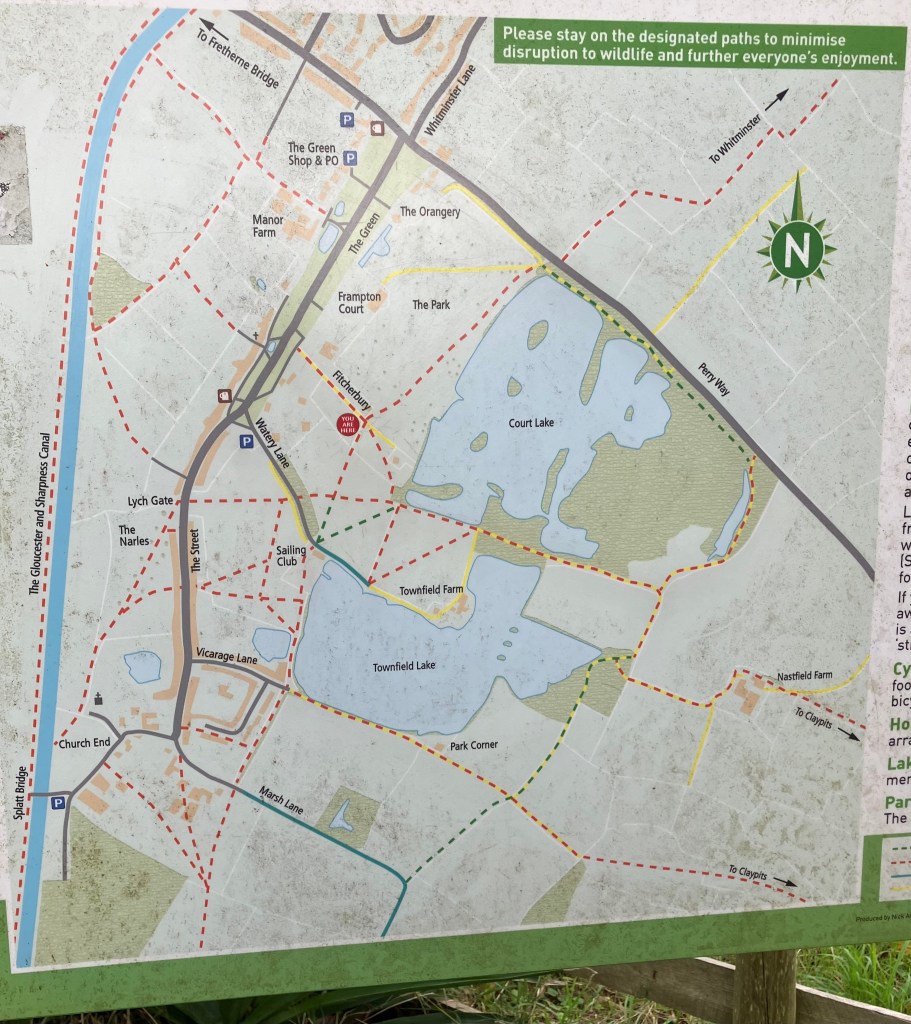

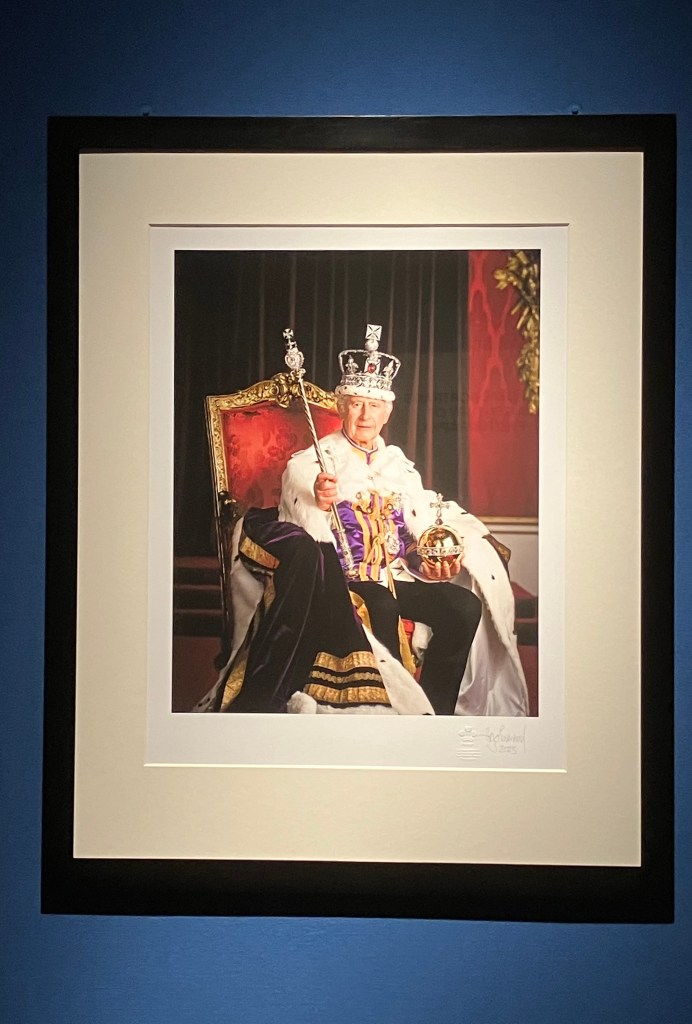


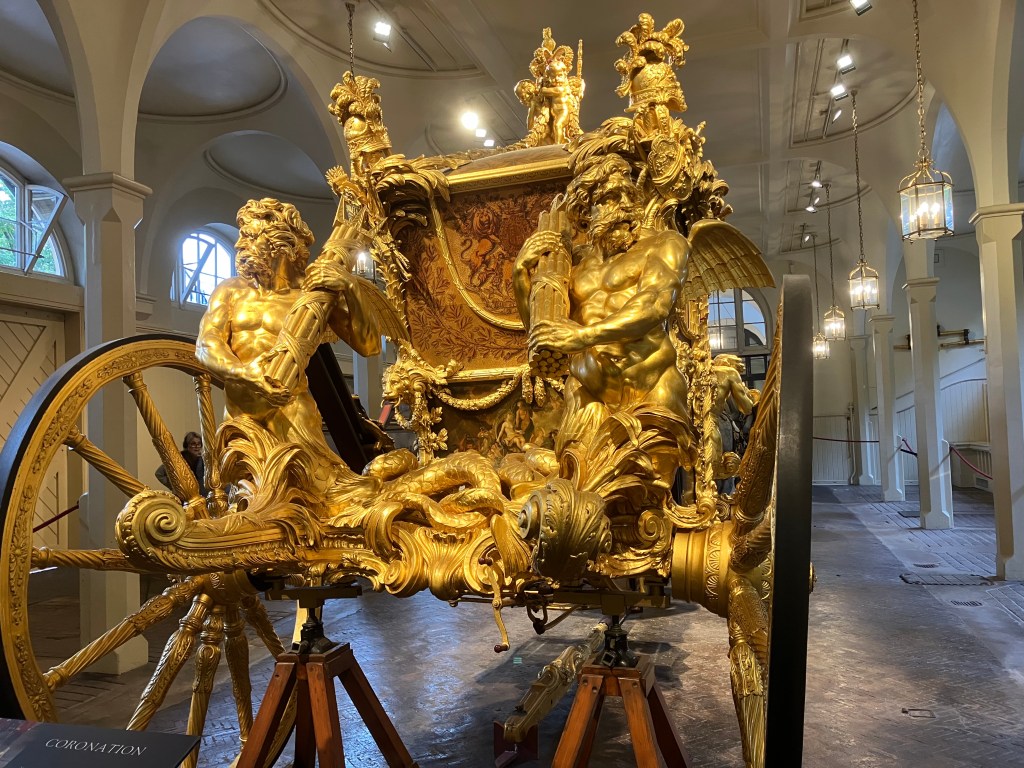
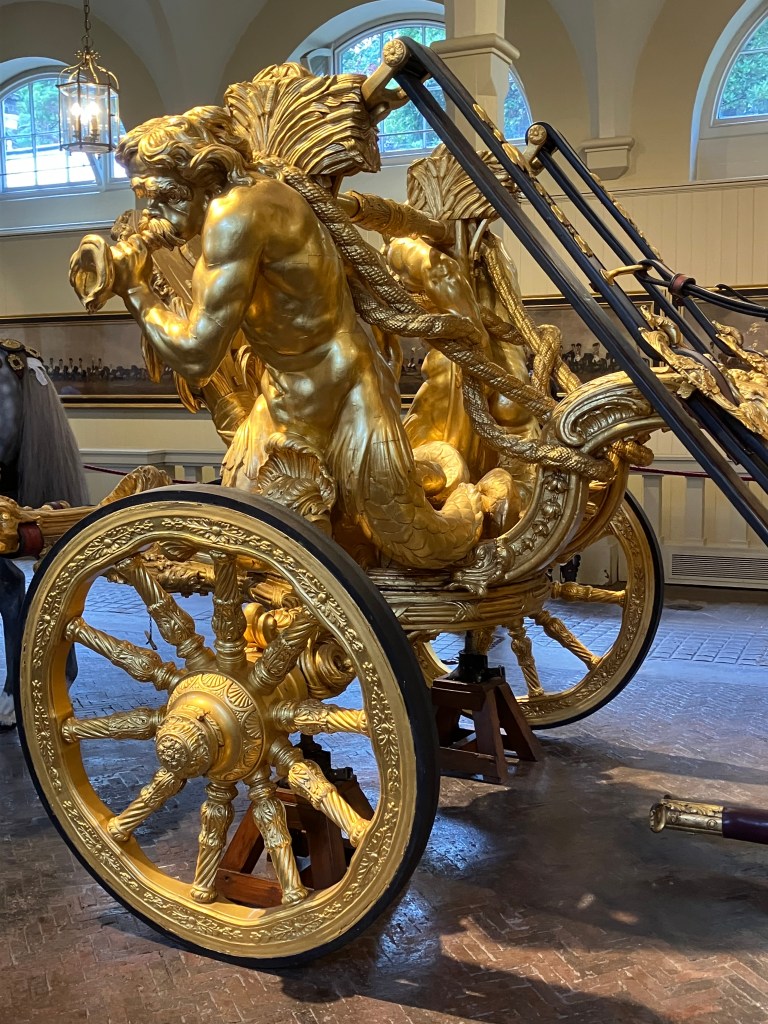




 A Midlife Adventure